Reviewed · PRIVATE
13 Days Private Tour in Romania from Bucharest
Romania clicks when you see it in a smart route. What I like most is having a private, English-speaking guide and car the whole time, with Nicolas leading the way. You also get a rare mix of big-ticket landmarks and real nature time, so the trip feels more like a story than a checklist.
The other big win for me is how the day plan is built for context, not rushing: you stop at places like Revolution Square and the painted monasteries, then the guide connects it to what came before and after. The one thing to consider is that you still need to budget for your own accommodation, meals, and some entrance fees, because the tour includes guide logistics and many listed tickets, but not everything.
In This Review
- Key highlights that make this private Romania tour worth your time
- Why this 13-day private Romania plan works as one coherent route
- Bucharest in one full day: Parliament, Village Museum, Athenaeum, Revolution Square, Old Town
- Curtea de Argeș, Poienari, and the Transfăgărășan Highway: Wallachia to mountain drama
- Hunedoara’s castle, Densuș Church, and Sarmizegetusa Regia: Gothic, ancient stone, and Dacian power
- UNESCO-style fortifications and gorge walks: Biertan, Cheile Turzii, Alba Iulia
- Salt air and wooden artistry: Turda Salt Mine, Borza Botanical Garden, Surdesti Church
- Maramures without rush: Merry Cemetery, communism memorial, and a full nature day
- Barsana Monastery and Tihuța Pass: wooden church heaven, plus Bram Stoker vibes
- Bukovina painted monasteries: Voroneț, Humor, Sucevita, Moldovița in focused visits
- Museums and gorges: Lucia Condrea, Popa Museum, and Bicaz Gorges
- Sighișoara and Saxon fortifications: Clock Tower, Viscri, and Rupea
- Brasov with three big names: Black Church, Bran Castle, Pelișor Castle
- The final day mix: Prejmer fortified church, mud volcanoes, and Snagov Monastery
- Price and value: what you get for $4,654.26 per person, and what you still handle
- Who should book this Romania private tour, and who should skip it
- Should you book this 13-day private Romania tour?
- FAQ
- Is this a private tour or a group tour?
- How long is the Romania tour?
- Do I get pickup in Bucharest?
- Does the tour include an English-speaking guide?
- Is transportation included?
- Is Wi-Fi available during the trip?
- Are admission tickets included?
- What regions and major stops are included?
Key highlights that make this private Romania tour worth your time
- Nicolas Experience Tours with Nicolas as the standout guide, with clear explanations that make history and culture land
- A private car for your group with flexibility to adjust the route after it starts
- Amedieval-to-modern storyline, from the Palace of Parliament to Saxon fortresses and royal castles
- Big nature days built in, including mountain road scenery and long outdoor stretches in Maramures
- Bukovina painted monasteries in a compact run, with short, focused visits to each site
- Multiple Dracula-linked stops, but grounded in real places and regional history
Why this 13-day private Romania plan works as one coherent route
A lot of Romania tours feel like they stitched together distant dots. This one actually builds momentum: Bucharest for the political turning point, then Wallachia and the Carpathians, then Transylvania’s Saxon-era fortifications, and finally Bukovina’s painted monasteries and carved-in-stone religious culture. By the end, you’ve seen why Romania’s identity is layered, not single-note.
For you, that matters because travel is easier when things connect. You’ll notice repeating themes: fortified churches, empire-sized buildings and human-sized communities, and the way geography shapes defense and tradition. Even the Dracula stops feel less like theme-park tourism and more like a guided path through myths that grew from real landscapes.
And since it’s a private tour, the pacing can be adjusted. The route is planned, but you’re not stuck with a rigid bus schedule. That is a real quality-of-life upgrade over the usual “see it, sprint, repeat” format.
Bucharest in one full day: Parliament, Village Museum, Athenaeum, Revolution Square, Old Town
Day 1 is a strong foundation, and it’s not only about famous buildings. It’s about scale and meaning.
Palace of Parliament (People’s House) is the blunt-force centerpiece. Even if you think you already know it, you feel small walking around something that is described as the second-largest administrative building in the world after the Pentagon. The guide’s framing on why it became so controversial is part of the value. You’re not just taking photos. You’re learning how architecture can reflect power that outlives its original era.
Next, the Bucharest National Village Museum (Dimitrie Gusti) gives you something calmer and more human. You see traditional Romanian life presented in one place, with a focus on the villagers’ approach to building an ecological and sustainable environment. This is a good counterbalance after the huge, heavy mood of Parliament.
Then comes the Romanian Athenaeum, one of the city’s most representative culture symbols. It’s shorter here, but it works as a palate cleanser. If you like classical music or art history, this stop gives you a sense of why Bucharest takes culture seriously.
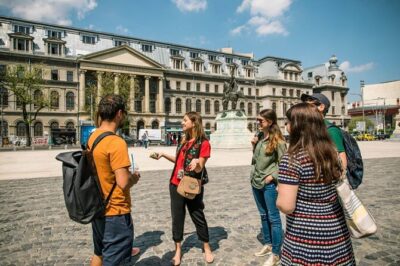
From there, you move to Revolution Square (Piaka Revolukiei), a key site connected to the overthrow of dictator Nicolae Ceaușescu in December 1989. You’ll stand in the places where the revolution began and be guided through the building connections, including the Senate Palace area linked with the Communist Party Central Committee.
You finish with Old Town, starting around Hanul lui Manuc, an immense fortified inn built in 1806 by Manuc Bei. This is where Bucharest can feel unexpectedly social and multicultural, with old walls holding merchants, conversations, and a changing city behind them.
Practical note: Day 1 is dense, but the stops are timed so you’re not trapped for hours in one place. If you like a tour that builds momentum, this day fits.
Other day trips from Bucharest
- Castles of Transylvania: Private Day Trip from Bucharest★ 4.5 · 248 reviews
- Bucharest: Best of Bucharest Private Tuk-Tuk Tour★ 5.0 · 238 reviews
- Dracula’s Castle, Peles Castle and Brasov – Private Day Trip from Bucharest★ 5.0 · 211 reviews
Curtea de Argeș, Poienari, and the Transfăgărășan Highway: Wallachia to mountain drama
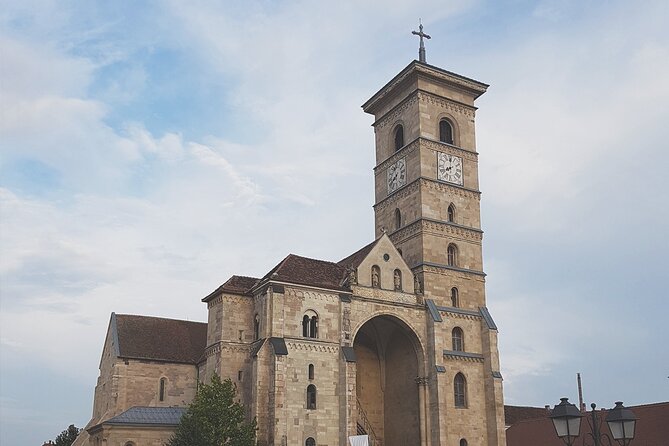
Day 2 shifts away from Bucharest and into Wallachia. It starts with Curtea de Argeș Monastery, tied to royal tombs and the old princely court ruins. The mood here is reflective. You’re looking at sites where faith, power, and losses shaped what survived.
Then it’s Poienari Castle (Fortress), perched above the Argeș River with a cliffside view that makes you understand why fortresses choose height. The location is tied to the story of Vlad the Impaler and the Turks’ 1462 attack. You get real geography plus history, which is the best way to handle any myth-heavy destination.
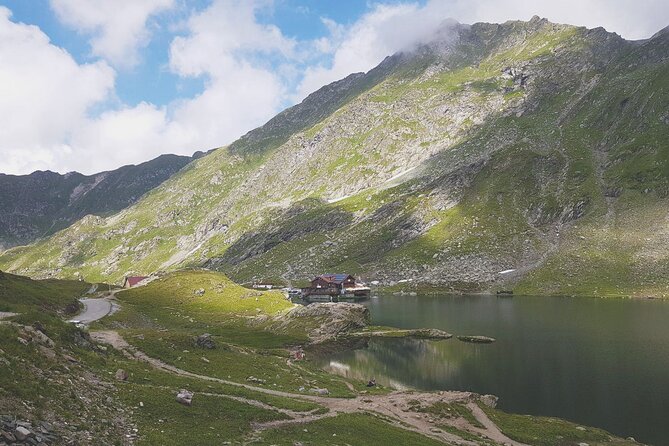
After that, the itinerary aims for the Transfăgărășan Highway, one of Romania’s most spectacular road trips. The important practical detail is seasonality: it’s fully open only from June to October. The route peaks around 2,042 meters, and the highway includes the tunnel area at Lake Balea. If you’re traveling outside that window, you might need to adjust expectations for how much you can drive.
Finally, Day 2 includes a Transylvanian-style city stop: Sibiu Old Town area, centered around Piata Mare (Big Square), with a walking component aimed at helping you understand why Sibiu earned European Capital of Culture. This is a good transition from castles and cliff views to town life.
Hunedoara’s castle, Densuș Church, and Sarmizegetusa Regia: Gothic, ancient stone, and Dacian power
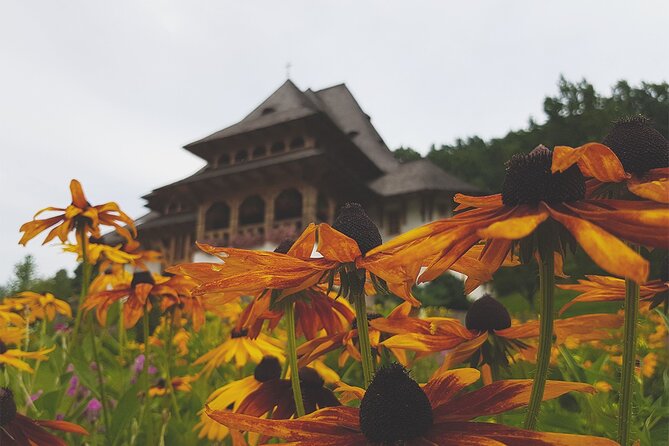
Day 3 is for stone and scale. You’re going from a major showpiece castle to some of Romania’s deepest historical layers.
Start with Castelul Corvinilor (Corvin Castle) in Hunedoara. It’s often compared as Gothic-Renaissance and is listed as one of the largest castles in Europe and a Seven Wonders destination. The timing here is flexible enough that you can focus on the parts you care about most, whether it’s architecture, towers, or the general “why does this feel so movie-like” effect.
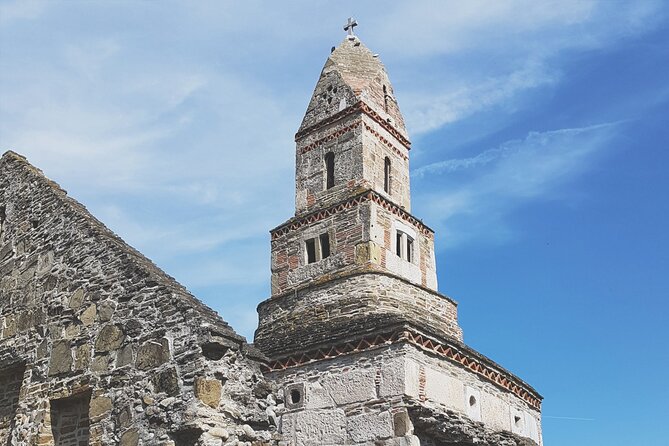
Then you go to Densuș Church, famous as the oldest stone church in Romania. It’s built in its present form in the 13th century but sits on a site tied to a 2nd-century Roman temple, plus materials from Dacian fortress areas. Inside, the 15th-century mural paintings show Jesus wearing Romanian traditional clothes. That detail alone makes the church feel local, not borrowed.
You finish with Sarmizegetusa Regia, the Dacian capital and defensive center before wars with Rome. It sits on top of the Orăștie Mountains area, in a system of citadels designed to protect a strategic core. Visiting this after seeing Corvin Castle is smart, because you feel how different empires shaped different kinds of defenses: the castle for feudal power, the fortress city for older state survival.
UNESCO-style fortifications and gorge walks: Biertan, Cheile Turzii, Alba Iulia
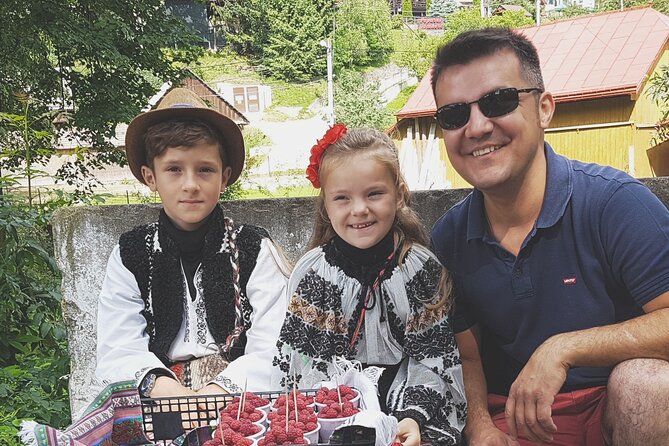
Day 4 leans into Transylvania’s character. It’s about Saxon settlements, defensive architecture, and nature that’s close enough to enjoy without a hardcore hike.
The star stop is Biertan Fortified Church, a UNESCO World Heritage site. It sits on a hillock and is surrounded by three defensive walls and seven bastions. It’s one of the best examples of how religion and protection merged in communities that needed to defend themselves.
Next is Cheile Turzii, known for Turda Gorge scenery. Here the plan emphasizes doable routes for most people. You walk through a gorge with a tranquil stream, with stone walls lining the path. This is a good day for fresh air without needing a full multi-day trek.
The final stop is Cetatea Alba Iulia (Alba Carolina Citadel), a star-shaped fortress connected to Habsburg-era construction. It’s built on earlier fortification sites, including a Roman legionary fortress (Apulum). Even if you’re not a military history fanatic, star fort shapes help you visualize how early modern powers thought about attack and artillery.
Salt air and wooden artistry: Turda Salt Mine, Borza Botanical Garden, Surdesti Church
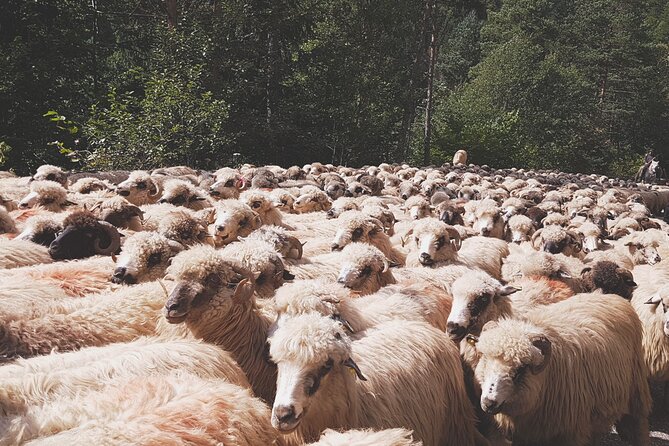
Day 5 mixes unusual experiences with slower cultural stops.
Start with Salina Turda (Turda Salt Mine). This isn’t just a tourist stop. The pitch is health-related too: the purified saline air is framed as beneficial, especially for people with respiratory problems like allergies or asthma. Even if that’s not you, it’s still a memorable shift from open-air walking into a guided underground world.
Then you go to Grădina Botanică Alexandru Borza. This stop is brief, but it’s paired with the surrounding area’s idea of layered architecture. You get a chance to reset in a garden setting and break up the heavier fortification days.
After that, you visit Surdesti Wooden Church, known for its height and craftsmanship. It’s described as built in 1721, with towers measuring around 54 meters and a reputation as a wooden construction masterpiece. If you like architecture that looks like it grew from local hands, this is one of the most “you are in Romania” moments in the whole trip.
These pair well with the day you just read about.
- Bucharest: Dracula’s Castle, Peles Castle, & Brasov Old Town
★ 4.5 · 17,858 reviews - Bucharest: Dracula Castle, Peles Castle & Brasov Old Town
★ 4.6 · 10,891 reviews - Bucharest: Dracula’s Castle, Peleș Castle & Brașov Day Trip
★ 4.4 · 6,100 reviews - Bucharest: Palace of Parliament Tickets and Guide
★ 4.3 · 3,182 reviews - Bucharest: Day Trip to Dracula Castle, Peles Castle & Brașov
★ 4.4 · 3,049 reviews
Maramures without rush: Merry Cemetery, communism memorial, and a full nature day
Day 6 adds emotional weight alongside tradition.
First is Merry Cemetery (Sapanta), where tombs and crosses include humorous poems about the deceased. The tone is unexpected, and that’s the point: it reflects a cultural approach that treats death with a strange mix of honesty and humor.
Then comes the Memorial of the Victims of Communism and of the Resistance, a museum that explains the damage and suffering of communist oppression. This stop is important because it gives context for the themes you started with in Bucharest’s Revolution Square.
Day 7 is about nature and space: Maramureș County with an 8-hour block. It’s not a single ticketed sight listed here, which usually means you have time for viewpoints, small stops, and just being outside. This kind of day prevents the itinerary from feeling like a series of museum rooms.
Barsana Monastery and Tihuța Pass: wooden church heaven, plus Bram Stoker vibes
Day 8 is Maramures and bordering mountain country.
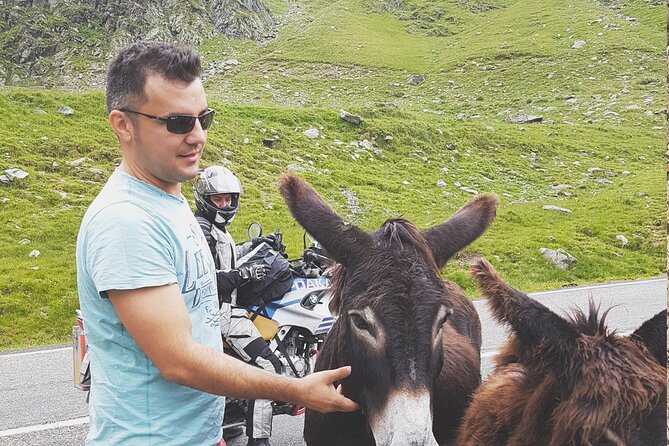
Barsana Monastery is described as one of the tallest wooden churches in Romania, around 57 meters. The tone is spiritual and visual, and the short courtyard-focused timing makes sense. You get the big feeling without turning it into a half-day ordeal.
Then Tihuța Pass brings mountain views and a Dracula connection via Bram Stoker’s novel. The key practical point from the info you’re given: the name became famous through the novel, and it’s linked to the idea of the Borgo Pass. Stoker is noted as not having visited the area. That’s a useful reminder to treat the literary connection as folklore context, not a guarantee of a specific filming location.
You end with Ciocănești, known for merry painted houses with traditional motifs. This is one of those stops where you start noticing patterns. The painted details make the village feel like an open-air gallery, but still grounded in a real settlement.
Bukovina painted monasteries: Voroneț, Humor, Sucevita, Moldovița in focused visits
Day 9 is why many people plan Romania in the first place. You get the set of famous painted monasteries grouped in one day, each with a short visit that keeps the pacing realistic.
Start with Manastirea Voroneț, built by Stephen the Great in 1488 over roughly three months and three weeks to commemorate a victory at the Battle of Vaslui. It’s often called the Sistine Chapel of the East, because the frescoes include the intense Voroneț blue. You’ll see why that color became a regional signature.
Then you go to Humor Monastery, described as a fortified monastery that survived centuries. It’s a good stop after Voroneț because it shows a similar religious tradition expressed through protection and endurance.
Next is Sucevita Monastery, also highlighted as among the most beautiful, with painted biblical scenes and icons. The plan frames it as an open-book experience that helps you read the Christian themes visually.
Finally, Moldovița Monastery, built in 1532, with murals on both inside and outside. The description points out mixed stylistic elements, plus a mural focus that makes it more than another church stop.
A practical tip: bring something light. Even if the visit times are short, you’ll spend a lot of the day outdoors between sites.
Museums and gorges: Lucia Condrea, Popa Museum, and Bicaz Gorges
Day 10 gives you a break from the monastery circuit.
First is the International Museum of Lucia Condrea in Moldovița. It’s described as unique in Romania, with over 5,500 exhibits displayed across levels in 56 display cases. If you like outsider art, folk creativity, or simply seeing how one person’s vision can become a full museum, this is a strong change of pace.
Next is the Nicolae Popa Museum, a small, notable sculptor space founded by Popa in his own house. The story is tied to his war injury and being imprisoned by communists for fighting against the regime, and then creating art to protect Romanian values. Even with a short visit, this kind of museum helps you understand the human side behind official history.
Then you head to Bicaz Gorges, a scenic walk along a river carved through mountains and virgin forests. It’s listed as free in the itinerary, and that matters, because it gives you a low-cost stretch of outdoors time after ticketed indoor stops.
Sighișoara and Saxon fortifications: Clock Tower, Viscri, and Rupea
Day 11 takes you into a living medieval atmosphere.
Start with Sighișoara Old Town, especially the Clock Tower and Arms Museum. The city is described as a living medieval fortress with continuous habitation for over 700 years, which is unusual in Europe’s medieval heritage. You’ll also connect Vlad the Impaler birthplace to the town.
Then you visit Viscri Fortified Church, tied to Szekler and German colonist history. The church’s fortification started later, and some elements were removed or repurposed for storage and even kindergarten space. That detail is useful: it shows how heritage survives by changing with real life.
Finish with Rupea Fortress (Cetatea Rupea). It’s on a 120-meter high basalt cliff and was restored in 2010 to 2013, with frequent monthly visits noted. The cliff setting is part of the appeal, and the timing is short enough to keep the day moving.
Brasov with three big names: Black Church, Bran Castle, Pelișor Castle
Day 12 is classic Romania tourist country done in a guided, practical way.
You start in Brașov Old Town with a walking tour that includes the Black Church, the old town square, and medieval city walls. Then you get free time to absorb the atmosphere in local cafés, which helps you reset before the castle-heavy portion.
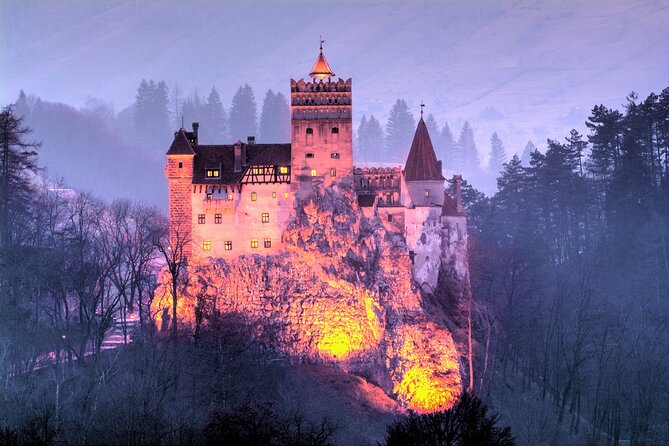
Next is Bran Castle, often called Dracula’s Castle. The plan frames it as a mix of myth and history, explaining why people connect it to Bram Stoker’s fictional Dracula. You’ll also have time to try traditional foods outside the castle, including handmade cheeses, pálinka (plum and pear brandy), and traditionally produced ham and sausages. That food moment can be one of the best uses of your time on this day, because it anchors the castle in real eating culture.
Finally comes Pelișor Castle, described as the Romanian royal family’s summer residence and as one of Europe’s most beautiful castle experiences. The itinerary gives you a solid viewing window.
Practical note: castle days can run hot or cold depending on season. Wear shoes you can stand in for walking.
The final day mix: Prejmer fortified church, mud volcanoes, and Snagov Monastery
Day 13 closes with variety, from fortified heritage to geology and back to a Dracula-shaped finale.
First is the Peasant Fortified Church at Prejmer (Biserica fortificată din Prejmer). It’s a Lutheran fortified church with roots linked to Teutonic Knights and later Transylvanian Saxon community ownership. It’s part of the UNESCO villages with fortified churches in Transylvania. This is a strong closer because it sums up the entire defensive architecture theme you’ve seen across Transylvania.
Then you go to Vulcanii Noroiosi (Berca Mud Volcanoes), described as a geological and botanical reservation with mud volcanoes caused by mud and natural gas reaching the surface from deep underground. The key practical detail here is time: it’s listed as about 3 hours, so it’s not a quick stop. You’ll want to plan for walking and staying outdoors.
Finally, Snagov Monastery is a Dracula legend capstone. The itinerary frames it around the idea of uncovering mysteries connected to Vlad Tepes, tied to the widespread myth about Dracula’s tomb. If you’re skeptical, this can still be fun, because your guide can ground the story in place and regional context without turning it into pure fantasy.
Price and value: what you get for $4,654.26 per person, and what you still handle
At $4,654.26 per person for a 13-day private experience, this is not a budget tour. The value comes from the way your time is managed.
You get:
- Private car only for you and your group, plus complimentary wireless internet in the car
- A private, licensed English-speaking guide/driver available throughout
- All car expenses like gasoline, parking, and road tolls
- Great flexibility to change daily plans even after the tour starts
What you handle:
- Your own accommodation, meals, and beverages
- Entrance fees as per the itinerary, though many specific stops are marked as having tickets included or being free in the plan
So the real cost question is: do you want Romania as a chauffeured, explained route with minimal friction? If yes, the price often makes sense for the time you save and the quality of guidance you get. If you want maximum independence and you’re comfortable driving and planning everything tightly, a self-drive route could be cheaper. But you’d give up the “someone else handles the logistics” benefit that makes these distances feel manageable.
Also, note the route includes season-dependent elements like the Transfăgărășan Highway only being fully open June to October. Your travel month can change what you actually get to do, not just what it looks like.
Who should book this Romania private tour, and who should skip it
I think this tour is best for:
- Couples or small groups who want real local explanations, not just audio guides
- Travelers who like history but also want nature time in Romania, not only monuments
- People who want a private pace through major regions: Bucharest, Wallachia, Transylvania, Maramures, and Bukovina
You might want to look elsewhere if:
- You dislike long drives between regions and prefer a single base
- You’re allergic to castles and churches, because this plan is heavy on fortified architecture and major religious sites
- Your trip month falls outside the window for full Transfăgărășan access, and you booked it specifically for that road
Should you book this 13-day private Romania tour?
If you want Romania with context, comfort, and strong guiding, I’d book it. The tour’s biggest strength is the combination of private logistics plus a guide like Nicolas who explains clearly, and a route that balances politics, medieval fortifications, and nature time.
Before you commit, check two things. First, your travel month, especially for Transfăgărășan Highway access. Second, be honest about the “your budget is your meals and hotels” part, since that’s where private tours can quietly add up.
If that fits your style, you’ll end up with a trip that feels like Romania’s different eras are talking to each other, not just lining up for photos.
FAQ
Is this a private tour or a group tour?
It is a private tour/activity. Only your group participates, and you travel in a private car.
How long is the Romania tour?
It runs for 13 days, approximately.
Do I get pickup in Bucharest?
Pickup is offered, and the tour is located in Bucharest.
Does the tour include an English-speaking guide?
Yes. You get a private, licensed English-speaking guide/driver available throughout the tour.
Is transportation included?
Yes. A private car (tourism or minibus) is included for your group, along with car expenses like gasoline, parking, and road tolls.
Is Wi-Fi available during the trip?
There is complimentary wireless internet access in the car.
Are admission tickets included?
Many listed stops have admission tickets included or are marked as free in the itinerary, but the tour notes that entrance fees as per the itinerary are not included, so plan for some sites to require payment.
What regions and major stops are included?
The route covers Bucharest, Wallachia areas like Curtea de Argeș and Poienari, Transylvania sights like Biertan, Sighișoara, and Brașov, Maramures, and Bukovina painted monasteries, plus final stops like Prejmer, mud volcanoes, and Snagov Monastery.
Just Added: New Tours From Bucharest
- Bear Watching in Transylvania 2-Day Tour
- National Village Museum and Comana Adventure Park
- Half Day Tour in Bucharest
- Full-Day Private Tour of Brasov City and Peles Castle from Bucharest
- From Dracula to Ceaușescu- Romanian Terror Stories tour
- Bucharest: Tour The Wine Road, 2 Boutique Wineries in 1 Day
- Bucharest Ceaușescu House Parliament Palace &Village Museum
- Full-Day Private Tour of Bucharest and Mogosoaia Palace
Private, compared.

Castles of Transylvania: Private Day Trip from Bucharest
Read our review →
Dracula’s Castle, Peles Castle and Brasov – Private Day Trip from Bucharest
Read our review →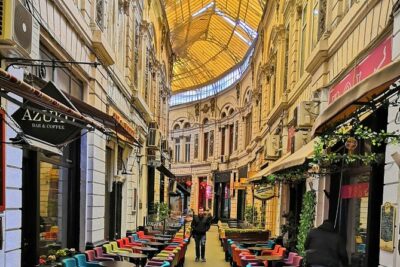
Bucharest Panoramic Sightseeing – Private City Tour
Read our review →
THERME “Take It Easy” Pack: Full Spa Access + Private Transfers
Read our review →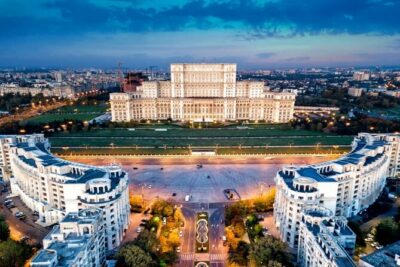
4h Bucharest Private Tour (2h by Car and 2h Walking in Old Town)
Read our review →