Reviewed · PRIVATE
15 Days Private Tour in Romania, Moldova and Transnistria
Maramures to Moldova in one trip is a great idea. This private 15-day tour stitches together Romania’s best sights and the less-covered corners of Transnistria, with a licensed English-speaking guide in your car the whole way. I like that you get an efficient mix of big-ticket icons, like the Palace of Parliament, and quieter, hands-on places, like wooden monasteries in Maramures and painted villages in Bukovina. One possible drawback: with so much ground covered, you’ll need to accept long driving days and plan for a steady walking pace.
The second thing I like is how much control you have. The tour is built as a private experience, with flexibility to adjust the daily plan even after it starts, which is a lifesaver if weather, timing, or your own energy level shifts. In the reviews tied to this tour, the guides stood out for being solution-minded when the unexpected popped up, and that matters on a route this varied. The one consideration I’d flag: entrance fees can be confusing, because the itinerary highlights admission tickets for specific stops but the booking notes list entrance fees as not included, so you should confirm what you’ll pay on the day.
You’ll also get value from the way the day structure is set up. Two nights in Maramures at a guest house gives you a real sense of pace before you head into Moldova and then on to Transnistria, and the final days bring you to the sea and the Danube Delta for a strong change of scenery. My advice is simple: if you want a fast, broad overview with a guide who can steer, this is a good match.
In This Review
- Key highlights to look for on this Romania, Moldova, Transnistria drive
- Starting in Bucharest, where history feels huge and personal
- Curtea de Arges and Poienari, royals, ruins, and cliff-top views
- Sibiu area and the Transylvanian middle section you can’t skip
- Brasov, Bran, and Peles, where myth and monarchy collide
- Fortified churches and medieval towns in Transylvania
- Salt mines, gardens, and wooden church craftsmanship
- Maramures, the Merry Cemetery, and the communism resistance memorial
- The Carpathians and Bukovina painted-house country
- Voronet, Humor, Sucevita, Moldovita, the painted monasteries day
- Iași and the Three Hierarchs Monastery, shifting the mood
- Moving into Transnistria, Tiraspol monuments and the local story
- Chisinau region wine and a cathedral that carries Soviet-era scars
- Danube crossing context, then the Danube Delta wildlife day
- Ending at the Black Sea, Carol I Mosque and Constanta’s seaside pulse
- Price and logistics, what $5,209.21 per person buys you
- Who should book this tour, and who should choose something else
- Should you book? My honest take
- FAQ
- Is this tour private or shared?
- What is the duration of the tour?
- Do you get pickup?
- What language is the guide?
- Is transportation included?
- Are meals and accommodation included?
- Are entrance fees included?
- Can I cancel for free?
- Is the tour suitable for most travelers?
Key highlights to look for on this Romania, Moldova, Transnistria drive
- Private car with your group, plus driver/guide: No waiting around, and you can shift timing when it makes sense.
- Flexibility after the tour starts: If you hit traffic or want a small detour, the plan has room to breathe.
- Maramures guest house nights: You slow down in the north before you ramp up into churches, castles, and more driving.
- Bucovina monasteries and their painted interiors: The painted-monastery route is a standout, especially Voronet and Sucevita.
- Transnistria stops beyond the headlines: Tiraspol area monuments help you understand the region through physical, local landmarks.
- Danube Delta bird time plus a sea finale: You end with nature, then Mamaia and Constanta for a coastal reset.
Starting in Bucharest, where history feels huge and personal
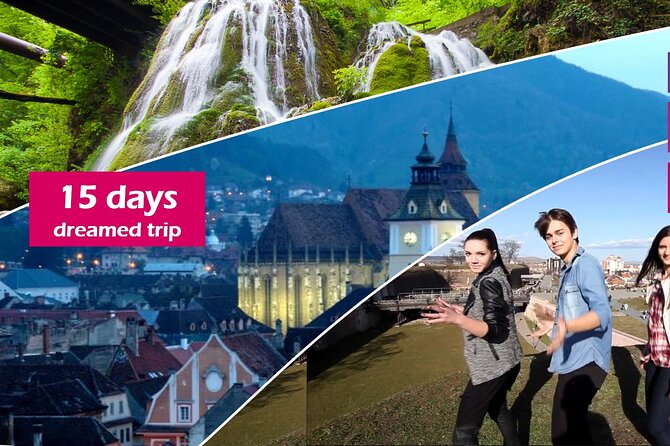
Your tour begins in Bucharest, and the first stop sets the tone: the Palace of Parliament. Even if you don’t love architecture, it’s hard not to feel the scale and the politics behind it. You’re taken right into the story of how oppressive power can reshape a country, and the building is so massive that it turns sightseeing into a kind of reality check.
Next is the Village Museum Dimitrie Gusti, a strong choice for understanding Romanian life beyond the postcard. It brings tradition into a walkable format, with the idea of a sustainable, backyard world built by villagers. Then comes the Romanian Athenaeum, which is one of those landmarks that feels like a cultural signature for Bucharest.
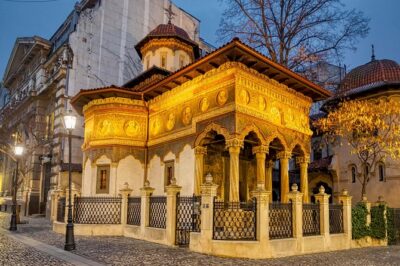
You finish the day around the revolution era at Revolution Square and the Old Town. The square anchors the 1989 revolution story, and the surrounding streets give you the layered sense of Bucharest’s past and its more everyday rhythm. Practical tip: old centers are lively and visual, so bring a good shoe day and keep your phone charged for photos you’ll actually want to revisit later.
Curtea de Arges and Poienari, royals, ruins, and cliff-top views
From Bucharest you head toward Wallachian landmarks, starting with Curtea de Arges Monastery. This stop works because it’s not only a pretty church, it’s tied to royal tombs and the reality of a site shaped by time and loss. Even with limited time, the ruins and the monastery together give you a sense of scale, both spiritual and historical.
Then you reach Poienari Castle ruins, perched above the Arges River. The setting alone is worth it, but the story attached to it gives the place sharper edges. If you’re comfortable with steps and uneven ground, you’ll enjoy how the cliff-top position makes everything feel dramatic.
After that, the itinerary turns scenic with Transfagarasan Highway. This is one of Romania’s most famous road drives, and it’s especially satisfying when you can actually see the mountain views. One timing note: the road is fully open only from June to October, so check your travel month if you’re set on the full road experience.
Other day trips from Bucharest
- Castles of Transylvania: Private Day Trip from Bucharest★ 4.5 · 248 reviews
- Bucharest: Best of Bucharest Private Tuk-Tuk Tour★ 5.0 · 238 reviews
- Dracula’s Castle, Peles Castle and Brasov – Private Day Trip from Bucharest★ 5.0 · 211 reviews
Sibiu area and the Transylvanian middle section you can’t skip
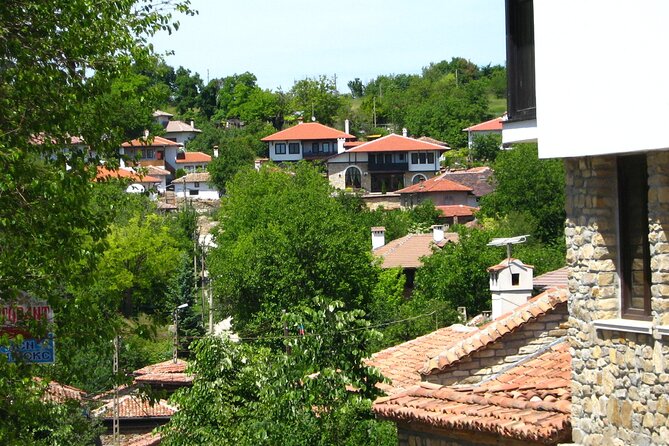
You then swing into the Transylvanian cultural zone, with a stop described around Piata Mare (Big Square) in Sibiu. The point here is atmosphere: a large central square plus nearby historic buildings gives you fast context for why Sibiu is considered such a meaningful cultural destination. You’ll likely want a coffee break and time to simply watch the square, because this kind of travel works best when you slow down for 20 minutes.
The next major day leans into power and defense in stone with Corvin Castle. It’s Gothic-Renaissance and among the largest castles in Europe, and it gives you something different from the usual castle lineup. If you like castles but also like them explained, this is a strong day because the setting supports the guide’s history narrative.
From there you move to Densus Church, noted as the oldest stone church in Romania. What I like about this stop is the layered origin story, including materials tied to older Roman temple sites and Dacian fortress connections. It’s the kind of place that makes you look twice at building reuse and local continuity.
Then comes Sarmizegetusa Regia, the Dacian capital and religious-political center. It’s a longer-feeling stop, but it’s valuable because you get beyond Romania as only medieval European kingdoms. You’re looking at a strategic fortress system on a high mountain, which changes how you picture history, literally from above.
Brasov, Bran, and Peles, where myth and monarchy collide
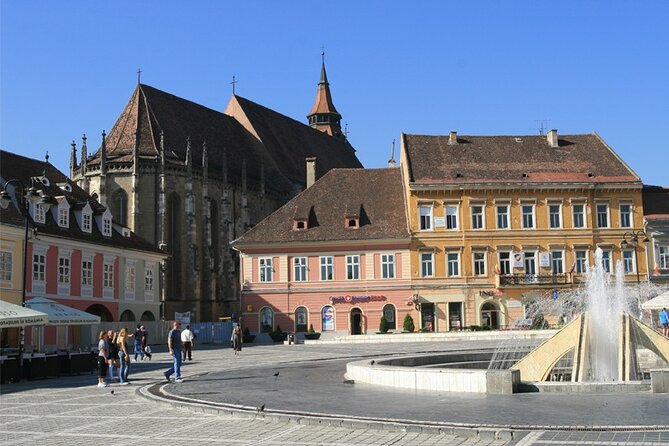
Brasov makes the tour feel like a classic Central European postcard, but it’s not just scenery. The day starts with Black Church (Biserica Neagra) and a walking look through the medieval old town atmosphere and city walls. The old town square and café time are built in, so you can take the day at your own pace without feeling rushed.
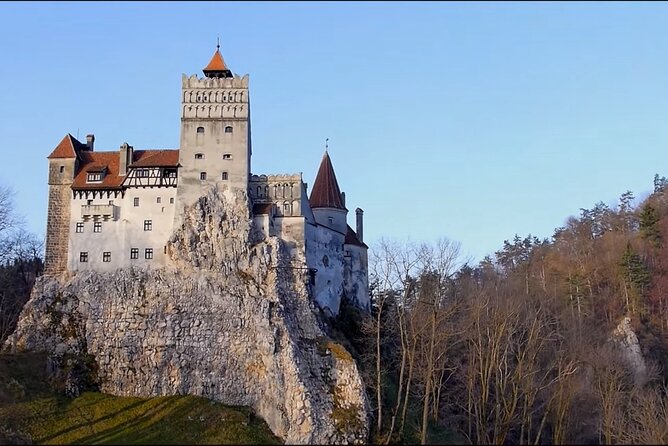
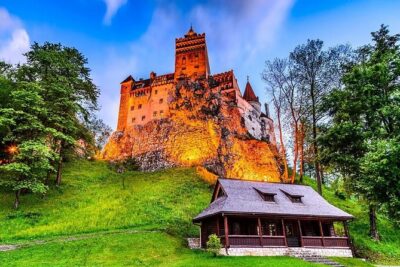
Next is Bran Castle, often linked to Dracula. Here’s how I’d frame it for value: treat it as a meeting point between fiction and place, and use your guide to separate what’s legend from what’s documented about the site. You can also taste Romanian specialties nearby, including handmade cheeses, pálinka, and traditional ham and sausages, which turns the castle stop into an actual food memory instead of only photos.
Then you get Peles Castle, the Romanian royal family’s summer residence. If you have only one “beautiful castle” moment on the trip, this is the one I’d personally prioritize. It’s the kind of stop that makes you understand why royal houses attract visitors even when you’re not a museum person.
Fortified churches and medieval towns in Transylvania
The tour continues with Viscri Fortified Church, a standout for both views and architecture. You’ll see the evolution from early church phases to later fortification, and you’ll also learn how German colonists shaped the site after they gained control of the land. The fortification details matter here because they explain why churches were also defenses.
From Viscri you move to Rupea Fortress (Cetatea Rupea), built by Transylvanian Saxons and restored in recent years. It sits on a basalt cliff, so the setting gives you that “defense position” feeling even before any explanation lands. If you love medieval structures but don’t want only major tourist hotspots, this stop is a good balance.
Then it’s Sighisoara Old Town, with a focus on the Clock Tower and the Arms museum. Sighisoara works because it’s a real inhabited medieval fortress, not a theme set. And yes, the name Dracula shows up here in the story, but the stronger hook is how the town has stayed alive for centuries.
Salt mines, gardens, and wooden church craftsmanship
Transylvania keeps changing texture on you. One day includes Salina Turda, the Turda Salt Mine, and it’s listed as one of the most interesting places in the region. Even if you don’t buy into the health talk, the atmosphere and unusual spaces in the mine are the appeal. It’s a good stop when you want a break from castles and churches.
Then you head to Gradina Botanica Alexandru Borza, tied to a Cluj Napoca city tour component. It’s a practical change of pace, and the garden stop also signals that the itinerary isn’t only medieval, it also includes everyday culture and a modern city edge. If you like architecture and parks, this day gives you both.
Next is Surdesti Wooden Church, described as having impressive tower height and craftsmanship, built in the early 1700s. What I like here is the way wood buildings can feel warm and human compared with stone. If you’re interested in construction skill and regional identity, this stop is worth the time.
These pair well with the day you just read about.
- Bucharest: Dracula’s Castle, Peles Castle, & Brasov Old Town
★ 4.5 · 17,858 reviews - Bucharest: Dracula Castle, Peles Castle & Brasov Old Town
★ 4.6 · 10,891 reviews - Bucharest: Dracula’s Castle, Peleș Castle & Brașov Day Trip
★ 4.4 · 6,100 reviews - Bucharest: Palace of Parliament Tickets and Guide
★ 4.3 · 3,182 reviews - Bucharest: Day Trip to Dracula Castle, Peles Castle & Brașov
★ 4.4 · 3,049 reviews
Maramures, the Merry Cemetery, and the communism resistance memorial

Maramures is where the tour becomes more personal and more folk-focused. One stop is Sapanta’s Merry Cemetery, where crosses and tombstones include humorous poems about the deceased. This is not dark in the usual way, it’s a cultural attitude captured in art, and it gives you a memorable contrast to the rest of the trip.
Then you visit the Memorial Museum for the Victims of Communism and of the Resistance. This stop brings the 20th-century story into focus with a clear purpose: understanding how oppressive regimes caused fear and suffering. If you want context for why people sought escape, this museum gives you that background fast.
After that, the itinerary moves to some of the most visually famous Maramures wooden architecture: Barsana Monastery. It’s described as one of the tallest wooden churches in Romania, and the stop is built around the courtyard experience and fairytale surroundings. If you visit at the right light, it can feel like a step into another pace of time.
The Carpathians and Bukovina painted-house country
You then cross into Tihuța Pass, a high mountain pass made famous through Bram Stoker’s Dracula name references. The practical value of this stop is the height and the viewpoint sense, plus the fact you’re traveling through the region’s natural geography. There’s also mention of the Hotel Castel Dracula at the pass, so you get the Dracula vibe in a way that’s tied to the route, not only a single building.
After mountain roads, you reach Ciocănești, a village known for painted houses with traditional motifs. The itinerary frames it as a scenic village with pine spruce forests and meadows nearby, which makes it feel like a short breather rather than a nonstop museum day. If you enjoy craft patterns and local home styles, you’ll get more from this than from a quick photo stop.
Voronet, Humor, Sucevita, Moldovita, the painted monasteries day
The Bukovina monastery cluster is one of the best-known parts of Romania, and this tour hits several in a single stretch. Start with Voroneț Monastery, often called the Sistine Chapel of the East because of its intense blue fresco work, known as Voroneț blue. It’s built by Stephen the Great to commemorate victory at the Battle of Vaslui, and the quick story helps the paintings make sense.
Next is Humor Monastery, which the itinerary describes as a fortified monastery hidden away to protect spiritual treasures over centuries. Sucevita is next, and it’s framed as one of the most beautiful Romanian monasteries, with biblical scenes and icons painted on walls, noted as part of UNESCO cultural patrimony. Then you end the painted-monastery run at Moldovita Monastery, built in 1532, with a fortified church and mural artwork inside and outside.
If you want value, do this day with a clear head. Four monasteries can start to feel repetitive unless you keep comparing: blue tone at Voroneț, the “fortified and protected” feel at Humor, and the way Sucevita and Moldovita present biblical scenes as visual storytelling.
Iași and the Three Hierarchs Monastery, shifting the mood
You next visit Nicolae Popa Museum in Târgu Neamț area (in Târpești), a personal story told through naive sculpture. The museum is founded by sculptor Nicolae Popa, including his life shaped by wartime injury and imprisonment by communists. This stop works well because it humanizes the broader history theme without requiring you to memorize dates.
Then comes Mănăstirea Trei Ierarhi in Iași, a 17th-century monastery listed as a National Register historic monument and included on the tentative UNESCO World Heritage list. It’s a good bridge day between Romania’s medieval religious sites and the next chapter in Moldova.
Moving into Transnistria, Tiraspol monuments and the local story
After Romania’s religious and medieval focus, you shift to Moldova and Transnistria. One day includes the Suvorov Monument and then the Tank Monument. The itinerary notes Suvorov as a major military commander in Russian history, and the nearby setting includes a series of flags you won’t see elsewhere. The Tank Monument is described as a reminder of battle and history tied to the region’s autonomy and people who lost their lives.
Also included in the information is Tiraspol itself, described as the second largest city in Moldova and the capital of the Pridnestrovian Moldavian Republic, located by the Dniester. If your goal is to go beyond headlines and see how a place presents its identity through monuments and city space, these are practical stops.
Chisinau region wine and a cathedral that carries Soviet-era scars
In Moldova, the tour stops at Cricova Winery, where the underground cellars are a major highlight. The itinerary describes Cricova as the second largest wine cellar in Moldova after Milestii Mici, and it mentions the underground “wine city” concept with labyrinthine roadways and tasting spaces below ground. You’re told it goes down to around 100 meters below ground, with storage of rare bottles, and tunnels tied to limestone digging history.
Then you move to Catedrala Nașterea Domnului (Nativity Cathedral). It’s neoclassical from the 1830s and described as having a turbulent modern past: destruction during World War 2 and later use as an exhibition center when religious services were prohibited during the Soviet era. This is one of those stops where you feel the political story in the architecture and use.
Danube crossing context, then the Danube Delta wildlife day
The itinerary includes a day tied to the Brăila Bridge, under construction since 2019 over the Danube. The plan notes it will be the first bridge over the maritime Danube sector and gives length and importance details, plus that it improves connections between regions including Moldavia, Muntenia, and Dobruja. Since it’s under construction, this is more about the regional context than a classic sightseeing stop, so set expectations accordingly.
Then the tour saves one of the biggest natural days for Danube Delta. The delta is described as Europe’s largest and best preserved delta, with over 300 bird species and 45 freshwater fish species. The day also includes major points like pelicans, herons, storks, cormorants, and terns, plus staging for migratory birds and wintering for masses from steppes, forests, and tundra further north.
What makes this stop valuable is contrast. After cities, churches, and monuments, you get a full day in a huge living ecosystem. Bring insect protection and plan for the kind of outing where you’ll want to sit still and watch, not just walk through.
Ending at the Black Sea, Carol I Mosque and Constanta’s seaside pulse
In the final day you end far from the delta in the Mamaia area on the Black Sea. The itinerary includes the Carol I Mosque in Ovid Square area, described as the main Muslim religious building and built in the early 1910s. The building is described as mixing Egyptian, Byzantine, and Romanian architecture, and it’s named after King Carol I, who initiated the project. Then you get Plaja din Mamaia, with time to relax, eat, and enjoy seaside entertainment.
The last stop is Cazinoul Constanța, the casino landmark with a history described as spanning over 100 years, including earlier forms as Kursal and the idea of reading halls, games halls, and terraces where tourists and local elites met. Even if you keep it short, it helps you close the loop on a trip that began with massive political architecture by ending with coastal leisure and local rhythm.
Price and logistics, what $5,209.21 per person buys you
At $5,209.21 per person for about 15 days, the value is less about any single museum ticket and more about the private setup. You get a private car for only your group, plus a licensed English-speaking guide/driver available throughout the tour, and the guide’s accommodation, meals, and entrance fees are covered. That means you’re not just renting a ride, you’re buying interpretation, timing, and problem-solving on the road.
You also get practical comforts listed for the experience, like complimentary wireless internet in the car and mobile ticket support. The tour is private, so you avoid the chaos of mixed-group pacing, which matters a lot on long, multi-region routes.
The one place to be careful is entrances and meals. The booking notes say accommodation and meals for you are not included, and entrance fees are not included as per itinerary, while the day plan itself lists admission ticket included for many stops. Before you go, confirm what you will pay at each site versus what’s covered, so you aren’t surprised.
Who should book this tour, and who should choose something else
This is a great fit if you want a big-country overview without handling the driving and mapping yourself. I’d especially recommend it if you like history through places, you enjoy castles and monasteries, and you want the Transnistria portion handled by a guide who knows how to keep the day moving.
It’s less ideal if you hate car travel or if you want very slow travel with lots of free time. This route is built for coverage. You’ll likely walk in historic towns and at sites like fortresses and monasteries, so comfortable shoes and a flexible mindset help.
Should you book? My honest take
If your goal is to understand Romania and the Romanians, and also to see the older Romanian territories side of the story through Moldova and Transnistria, this tour is a strong candidate. I like how the pacing balances landmark days with places that feel lived-in, like Maramures wooden church stops and the painted-house village, and I like the guide style described in the reviews: friendly, safe, and ready to solve real-world problems.
Book it if you want a private road trip with history explained in plain language and you’re okay trading some downtime for breadth. Pass or look elsewhere if you want a lighter itinerary and you’d rather spend more days in fewer places. Either way, do one thing before you commit: confirm entrance fees and which stops are truly covered day-of, so your budget stays calm when you hit the major sites.
FAQ
Is this tour private or shared?
This is a private tour/activity, meaning only your group participates.
What is the duration of the tour?
The tour runs for 15 days (approx.).
Do you get pickup?
Pickup is offered.
What language is the guide?
You have a private, licensed English speaking guide/driver available throughout the tour.
Is transportation included?
Yes. It includes a private car (tourism or minibus) only for you and your friends/family, with all car expenses covered.
Are meals and accommodation included?
No. Accommodation, meals, and beverages are not included.
Are entrance fees included?
The booking notes say entrance fees as per the itinerary are not included, while the day plan lists admission tickets included for many stops. Confirm what is covered for each site before you go.
Can I cancel for free?
Yes. Free cancellation is offered, with full refund if you cancel up to 24 hours in advance.
Is the tour suitable for most travelers?
The information says most travelers can participate and that it’s near public transportation, but it is still a multi-day road trip with many sightseeing stops.
Just Added: New Tours From Bucharest
- Bear Watching in Transylvania 2-Day Tour
- National Village Museum and Comana Adventure Park
- Half Day Tour in Bucharest
- From Dracula to Ceaușescu- Romanian Terror Stories tour
- Full-Day Private Tour of Brasov City and Peles Castle from Bucharest
- Bucharest: Tour The Wine Road, 2 Boutique Wineries in 1 Day
- Bucharest Ceaușescu House Parliament Palace &Village Museum
- Full-Day Private Tour of Bucharest and Mogosoaia Palace
Private, compared.

Castles of Transylvania: Private Day Trip from Bucharest
Read our review →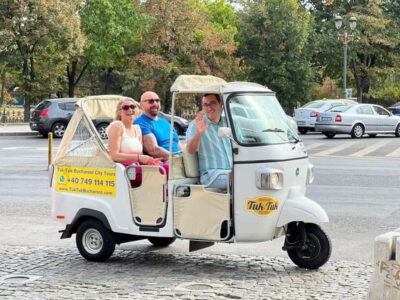
Dracula’s Castle, Peles Castle and Brasov – Private Day Trip from Bucharest
Read our review →
Bucharest Panoramic Sightseeing – Private City Tour
Read our review →
THERME “Take It Easy” Pack: Full Spa Access + Private Transfers
Read our review →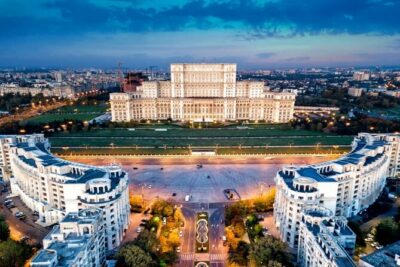
4h Bucharest Private Tour (2h by Car and 2h Walking in Old Town)
Read our review →