
Reviewed · BUCHAREST
Best of Romania in 10 Days
Romanian road trips, handled for you. I love the small group of max eight and the way the tour strings together nine nights in centrally located hotels. The tradeoff is a fast pace, you will spend plenty of hours on the road and you should bring moderate stamina for daily walking.
You also get a professional English-speaking guide, and one guide named Emil is specifically praised for history plus local jokes, with the kind of driving confidence that matters on long mountain routes. With entrance fees included for the main sights, you can focus on seeing instead of stopping to negotiate tickets.
This route is built for people who want Romania’s biggest contrasts in one trip, monasteries in Bucovina, Saxon fortified churches in Transylvania, and big-city Bucharest. The result feels efficient, not rushed in the sense of skipping the good parts, because you have time for walking tours and real stops, not just photo pulls from the bus.
In This Review
- Key things that make this tour work so well
- Why this 10-day Romania loop fits first-timers
- Price and what you actually get for $2,907.69
- Small group of eight plus Bucharest pickup: comfort matters
- Day 1: Curtea de Arges Monastery, the Transfagarasan Highway, and Sibiu’s Piata Mare
- Day 2: Corvin Castle, Alba Iulia’s fortress, and the Salina Turda underground world
- Day 3: Bistrita and the Bram Stoker thread, then Voronet’s Blue Monastery
- Day 4: UNESCO stops at Moldovita and Sucevita, then Iasi city time
- Day 5: Neamt Citadel and Piatra Neamt by cable car
- Day 6: Bicaz Gorges, the Red Lake, Corund pottery, and Biertan
- Day 7: Viscri traditions, then Brasov’s historic center
- Day 8: Bran Castle linked to Vlad and Stoker, Peles Castle, then Bucharest at night
- Day 9: Bucharest highlights, Palace of the Parliament and the Village Museum
- Day 10: OTP airport transfer so you can end clean
- Who should book this tour, and who should skip it
- Should you book Best of Romania in 10 Days with Rolandia?
- FAQ
- What time does the tour start and where do I get picked up?
- How many people are in the group?
- Where does the tour begin and end?
- How long is the tour?
- What language is the tour offered in?
- What is included in the price?
- Are flights included?
- Do I need a single room?
- What fitness level is required?
- Can I cancel if my plans change?
Key things that make this tour work so well
- Max eight people means less waiting and more room to ask questions in English
- Nine nights in central hotels helps you recover from travel days without moving every night
- Transport included keeps the focus on sights, not car logistics across multiple regions
- Major entry tickets included so your days run smoothly at UNESCO sites and castles
- A guided mix of legends and history ties Dracula vibes to real places like Bran and the region around it
Why this 10-day Romania loop fits first-timers
If you have limited vacation time, this kind of Romania tour makes sense. You start in Bucharest and work outward through Wallachia, Transylvania, and Bucovina, then circle back for two full Bucharest stops. Instead of picking one corner of the country and living there, you get a sequence of places that explain how Romania looks, talks, worships, and defends itself.
What I like most is the balance between famous and specific. Yes, you hit major names like Bran Castle and Peles Castle, but you also spend serious time at monasteries with UNESCO Painted Monasteries status, fortified Saxon towns, and even an underground salt world. That mix is what makes it feel like you got Romania, not just a collection of photos.
Price and what you actually get for $2,907.69
This tour costs $2,907.69 per person, based on two people sharing a double room. That price is not just for transport, it is tied to a lot of built-in value: nine nights of accommodation in centrally located hotels, a professional English-speaking guide, modern vehicle transportation, airport pickup and drop-off, and entrance fees for the included sites.
It also includes breakfast for 9 days, and dinner is included as part of the package, with a traditional Romanian dinner on the Bucovina portion. If you have ever priced out a Romania trip by booking hotels, guides, and tickets separately, you know how quickly costs stack up across regions. Here, the big parts are bundled.
The one cost consideration is simple: if you need a single room, there is a single supplement fee. If you can share a double, the per-person value gets much easier to swallow.
A short list of what else is worth booking.
- Bucharest: Dracula’s Castle, Peles Castle, & Brasov Old Town★ 4.5 · 17,858 reviews
- Bucharest: Dracula Castle, Peles Castle & Brasov Old Town★ 4.6 · 10,891 reviews
- Bucharest: Dracula’s Castle, Peleș Castle & Brașov Day Trip★ 4.4 · 6,100 reviews
Small group of eight plus Bucharest pickup: comfort matters
The whole experience is designed around group flow. Maximum group size is 8, which helps on guided walking tours in old centers and at busy attractions like castles and fortress grounds. You are not in a crowd that turns every stop into a waiting game.
Pickup is offered from any hotel in Bucharest, and the tour starts at 9:00 am. That matters because you start early enough to get to long-distance highlights without feeling like the day is already behind. On top of that, transportation is included in a modern vehicle, so you can relax between regions and save your energy for the walks and viewpoints.
If you are traveling with a partner or a friend and you want a guided route without feeling locked in, this setup is a sweet spot. It is structured, yes, but it is not a giant bus experience.
Day 1: Curtea de Arges Monastery, the Transfagarasan Highway, and Sibiu’s Piata Mare
Day 1 is all about dramatic geography and the kind of Romanian legends you hear referenced later on. You start with a road trip from Bucharest to Curtea de Arges, visiting Curtea de Arges Monastery, built between 1512 and 1517. This place is closely linked to the legend of Manole, and it connects sacrifice to the idea of creating something that lasts. That theme becomes a useful lens for the whole trip, because you keep seeing how communities built defenses, churches, and monuments that endure.
Then you drive the Transfagarasan Highway. This is the scenic mountain road through the Southern Carpathians, reaching heights around 2,042 meters and cutting through the Fagaras Mountains. Even if you have seen lots of winding roads in Europe, this one is special because it is built for views, you tend to want to keep stopping for photos, and you get a chance to do it properly.
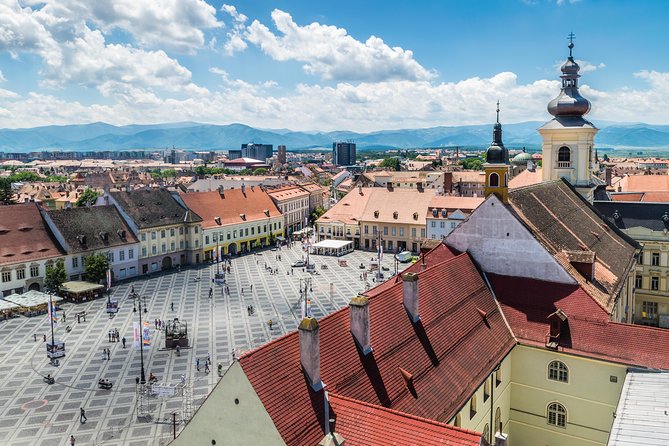
By afternoon you reach Sibiu, where you visit the medieval center around Big Square, Piata Mare. You also get a walking tour through Sibiu’s Historical Center. One practical tip: old squares and streets move at walking-tour pace. Wear shoes you can stand in, because Sibiu rewards you slowly, with details.
Day 2: Corvin Castle, Alba Iulia’s fortress, and the Salina Turda underground world
Hunedoara kicks off the second day at Castelul Corvinilor, also known as Corvin Castle. It is one of Romania’s larger castles, tied to John Hunyadi, which is why you will also hear the Hunyad or Hunyad Castle name. This is the kind of stop that works even if you are not a pure castle person, because the size and presence make it hard not to pay attention.
Next comes Alba Iulia and the Alba Carolina Fortress. The big point here is the historical event of the Union of Transylvania with Romania. The fortress is built in a Vauban architectural style, constructed between 1715 and 1738 with the help of more than 20,000 peasants. That scale makes it feel less like set dressing and more like a real instrument of state power.
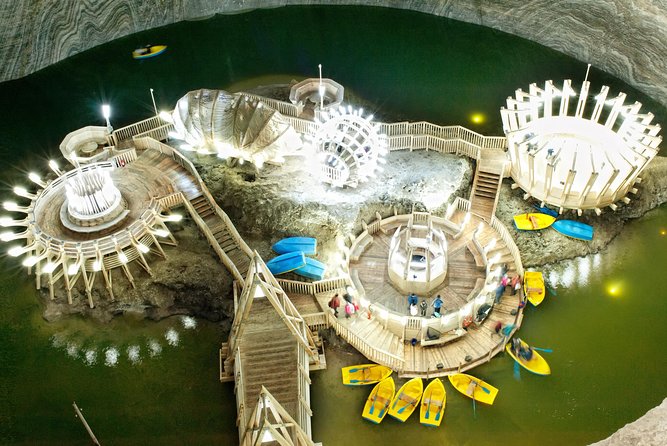
Then you head to Salina Turda, the Turda Salt Mine. It is listed as having 13 underground floors and it is equipped with a theme park style setup, including a Ferris wheel, mini-golf, tennis court, and a lake. Even if you do not want to play, the setting is a nice break from castles and monasteries, because you are in a totally different environment under the earth.
The day ends in Cluj-Napoca with a walking tour of the Old Town. You get free time afterward to explore local cafes and bohemian-style restaurants near the hotel. This is a good moment to slow down, eat something simple, and let your Romania impressions settle.
Day 3: Bistrita and the Bram Stoker thread, then Voronet’s Blue Monastery
Day 3 connects literature to place, which is one of the smartest ways to make history feel alive. You stop in Bistrita, in the foothills near the Bargau Mountains and not far from Pasul Tihuta. It is linked to Bram Stoker’s Dracula story, with the character Jonathan Harker mentioned in connection with this setting.
Then you reach Bucovina, and your major UNESCO stop is Voronet Monastery. It was built in 1488 and is famous for its intense blue color, often described as the Blue of Voronet. Painted monasteries work best when you slow down and look, because the decorative language can feel like a whole separate kind of storytelling. If you rush, you miss the point.
In the evening, you get back to the hotel and enjoy a traditional Romanian dinner. This is the kind of included meal that gives you a break from planning and lets the day end comfortably, with the group together.
These pair well with the day you just read about.
- Bucharest: Palace of Parliament Tickets and Guide
★ 4.3 · 3,182 reviews - Bucharest: Day Trip to Dracula Castle, Peles Castle & Brașov
★ 4.4 · 3,049 reviews - Bucharest to Dracula Castle, Peles Castle and Brasov Guided Tour
★ 4.5 · 2,933 reviews - Bucharest: Palace of Parliament Tickets and Guided Tour
★ 4.4 · 1,877 reviews - Dracula’s Castle, Peles Castle and Brasov Day Trip from Bucharest
★ 4.5 · 1,804 reviews
Day 4: UNESCO stops at Moldovita and Sucevita, then Iasi city time
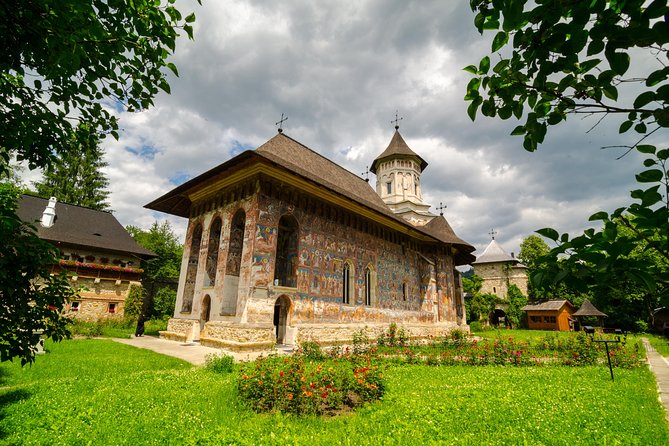
The fourth day is a monastery day in the best sense, because Bucovina’s painted churches are not a quick photo mission. You visit Moldovita Monastery first, built between 1532 and 1537, and included on the UNESCO World Heritage list in 1993. The age and survival of these sites is part of the story, and the guide framing helps you understand why the art style mattered so much.
Next you go to Sucevita Monastery, built in 1585. The stop comes with a legend about the materials being brought by a woman using only a cart pulled by oxen to redeem sins. Even if you do not care about legends, these stories give you a human scale for what otherwise becomes a carved-and-stoned monument.
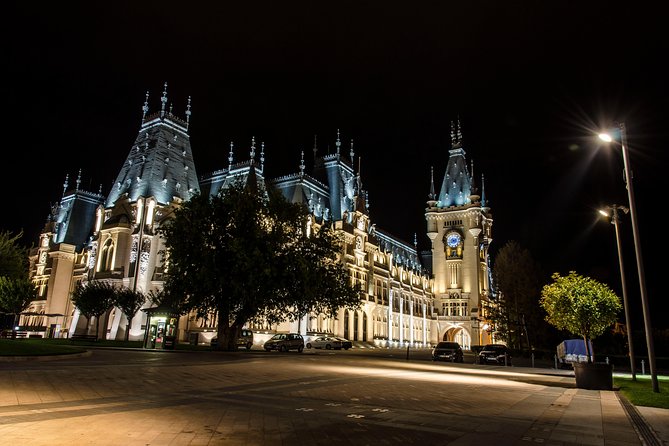
Then you arrive in Iasi, the second-largest city in Romania, with a short tour in the evening and a hotel check-in afterward. This is a change of pace from villages and fortress walls. Iasi feels more like city life, with history tied to people and personalities, not just architecture.
Day 5: Neamt Citadel and Piatra Neamt by cable car
From Iasi you head toward Targu Neamt for the Neamt Citadel, built during the reign of Peter I (1375 to 1391). Fortress sites in Romania often feel dramatic because they sit in a landscape that is naturally defensive. You do not need to be a military-history buff to notice how the place was meant to endure.
Then you reach Piatra Neamt in the evening and take a cable car ride before checking in. The cable car is included and it is a practical way to get elevation without exhausting your day on stairs. You still get the payoff of the views, while keeping energy for the next stops.
If you are the type who likes one nature or viewpoint moment amid architecture, day 5 does that work for you.
Day 6: Bicaz Gorges, the Red Lake, Corund pottery, and Biertan
Day 6 begins with the dramatic approach through Bicaz Gorges on the way to Red Lake. The lake’s unusual color is the headline, formed in 1837 when heavy storms fractured Mt. Ucigasu and blocked streams. Locals named it for the reddish sediment deposit. This is the kind of stop where the landscape has a story behind it, and the story explains why the water looks the way it does.
Then you visit Corund, a pottery center in Transylvania. Pottery plus woodworking and trade are part of the local economy, and the tour highlights that the clay comes from a nearby stream. If you like craft, this is one of those stops where you understand that the region’s culture is not only about churches and castles, it is also about making practical goods for daily life.
Next comes Biertan Fortified Church, a UNESCO village with fortified churches in Transylvania. Saxon colonists settled here in the 13th century, partly because the soil suited winemaking. The fortress aspect is important. It reminds you that religious buildings here had to function in a world where protection mattered.
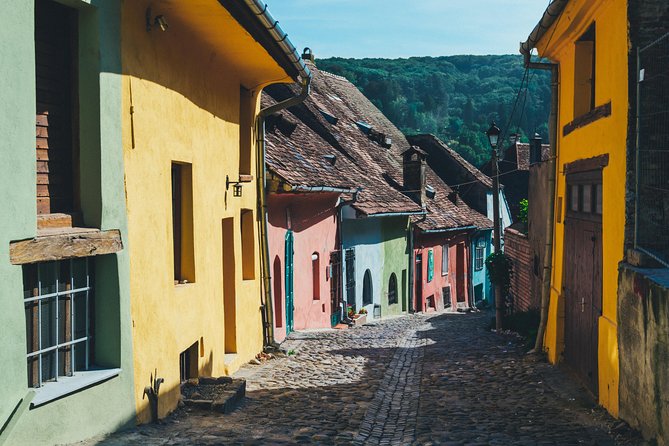
The day ends in Sighisoara at the historic center. Sighisoara is described as the last inhabited citadel in Europe, built by Saxon colonists in the 12th century, and it is recognized by UNESCO. This is one of the towns where you walk and feel the old walls around you, even if you only see parts of the defenses.
Day 7: Viscri traditions, then Brasov’s historic center
Day 7 starts in Viscri, a village with a fortified church and a quieter, more local feel. Viscri is mentioned as having charmed Prince Charles through the simplicity and how locals preserved traditions. You also meet women known across the region for their culinary skills, and you visit Viscri Church.
This is a valuable shift. After castles and fortress towns, Viscri makes the trip feel human and everyday. You are not just seeing stone and defensive walls, you are seeing the community rhythms that kept traditions going.
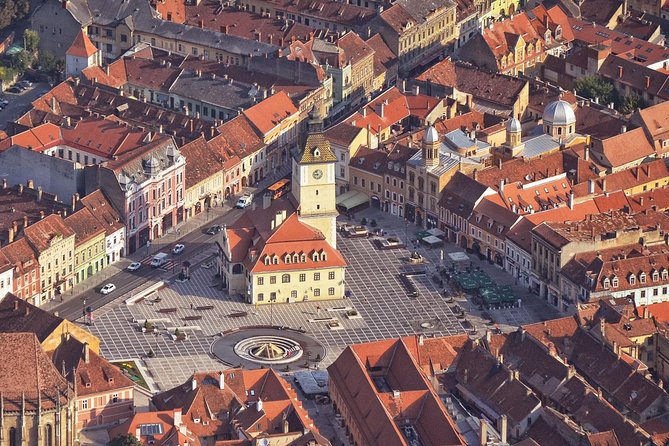
Then you move to Brasov and take a short walking tour through the historical center. Brasov is well positioned for the next day’s famous stops, and it also serves as a nice transition from the Saxon-world feel of fortified villages into the tourist-heavy, castle-bright part of Transylvania.
Day 8: Bran Castle linked to Vlad and Stoker, Peles Castle, then Bucharest at night
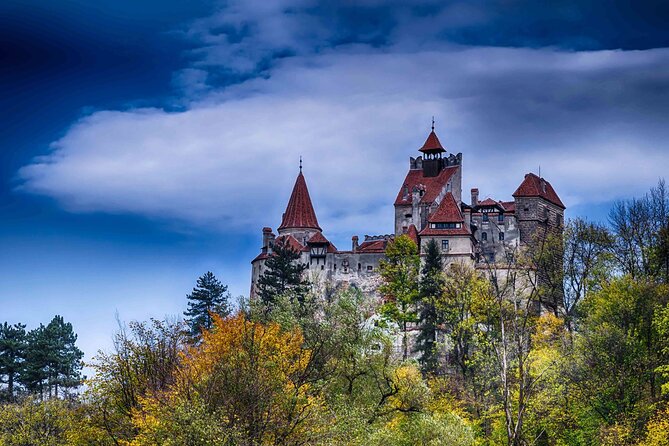
This is the day most people are waiting for, because the castles are the headline. You go to Bran, a village known for Bran Castle. It has a history more than 6 centuries old, and it became widely associated with Dracula due to Bram Stoker’s Dracula. Here you learn about Vlad the Impaler and the connection between Vlad Tepes and the Dracula story.
A practical way to enjoy Bran is to treat it as cultural myth meeting real regional history. You do not have to be obsessed with Dracula. The site is famous, but it also works as a starting point for how the legend stuck to a place name and then traveled across the world.
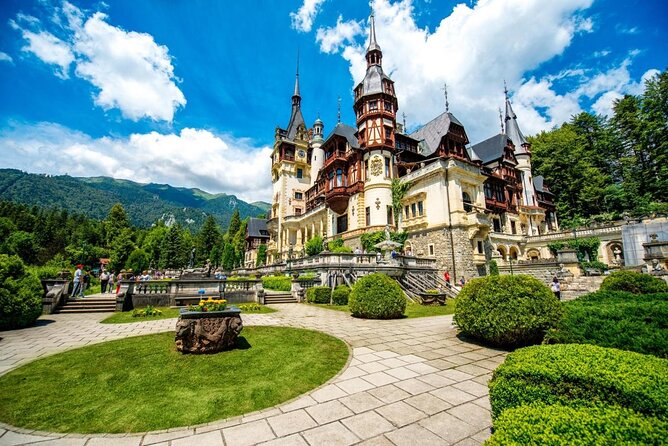
Next you visit Peles Castle in Sinaia. It is described as the first fully electrified castle in Europe, and it holds 160 rooms and more than 30 bathrooms in its final form over 3,200 square meters. You will also hear about the painting collection and the large display of European and Oriental weaponry. Even if you normally skip museum-style content, Peles tends to pull people in because it feels designed, not just stored.
At night you return to Bucharest and get time in the Old Town. That end-of-day timing matters. After long castle days, you want simple atmosphere, a dinner you did not have to research, and a chance to feel the city’s energy without rushing.
Day 9: Bucharest highlights, Palace of the Parliament and the Village Museum
Day 9 is Bucharest in two big bites. First is the Palace of the Parliament, described as the second-largest building in the world. It was part of a project during Nicolae Ceausescu’s communist era, meant to house state institutions and designed as a safe house able to withstand earthquakes and nuclear attacks.
Whether you love architecture or not, this stop helps you understand how modern Romania was shaped by political power and scale. It also makes a contrast with the monastery art and fortified churches earlier on, because you are moving from local defense and religious identity to the state as an enormous machine.
After the Palace visit, you head to Bucharest’s Old Town where you have free time for lunch. Then the day ends with the Bucharest Village Museum. It opened first in 1936 and covers 14 hectares. It includes 380 monuments, 60,000 traditional objects, and over 250,000 archived documents connected to traditional Romanian life.
If you want a closing day that feels cultural rather than just historical headlines, this pairing works. Big state building plus everyday village life gives you perspective.
Day 10: OTP airport transfer so you can end clean
On the final day, you transfer to the airport based on your flight schedule, with the note that the pickup location is OTP Parking Parcare Aeroport Otopeni. It is a simple finish, and it is the kind of last-day structure that helps when you are tired after ten days of moving through Romania.
You should still plan to buffer time for airport arrivals, but the tour handling removes the guesswork of where to go and when.
Who should book this tour, and who should skip it
This tour is a strong match if you:
- Want a guided sweep across Transylvania and Bucovina without doing all the planning yourself
- Like UNESCO sites, castles, and fortified churches, plus one under-the-earth stop at Salina Turda
- Prefer a small group where the guide can actually talk through history and details, not just point and move
It might not be your best fit if you:
- Want a slow trip with lots of free days, because this route keeps moving
- Are easily exhausted by long driving stretches, since the country’s regions are far apart
- Need special pacing for walking, because the tour expects moderate fitness for daily stops
Should you book Best of Romania in 10 Days with Rolandia?
If you are making your first Romania trip and you want the country’s main flavors in one go, I think this is a smart buy. The value comes from bundled essentials, like entrance fees, guide time, and nine nights in central hotels, plus the comfort of modern transportation and pickup. The small group size also raises the odds you will feel connected to the story of each place.
Book it if you like structure and you want your guide to stitch legends and history into something you can actually remember. Skip it if you want deep, leisurely time in just one region.
Either way, pack comfortable shoes, bring a bit of patience for road days, and expect Romania to feel like a series of worlds, monasteries to mountains to Saxon walls to Bucharest scale.
FAQ
What time does the tour start and where do I get picked up?
It starts at 9:00 am. You can be picked up from any hotel in Bucharest.
How many people are in the group?
The tour has a maximum of 8 travelers.
Where does the tour begin and end?
It begins in Bucharest, with hotel pickup. It ends with an airport transfer to OTP Parking Parcare Aeroport Otopeni based on your flight schedule.
How long is the tour?
The duration is approximately 10 days, with 9 nights of included accommodation.
What language is the tour offered in?
The tour is offered in English.
What is included in the price?
Included features are professional English-speaking guide, centrally located hotel accommodation for 9 nights, transportation by modern vehicle, airport pick-up and drop-off, entrance fees, breakfast (9), and dinner.
Are flights included?
No. Airline tickets are not included.
Do I need a single room?
The price is per person based on two people sharing a double room. If you want a single room, you must pay the single supplement fee.
What fitness level is required?
Travelers should have a moderate physical fitness level.
Can I cancel if my plans change?
Yes, free cancellation is available up to 24 hours in advance for a full refund. If you cancel less than 24 hours before the start time, the amount paid will not be refunded.
Just Added: New Tours From Bucharest
- Bear Watching in Transylvania 2-Day Tour
- National Village Museum and Comana Adventure Park
- Half Day Tour in Bucharest
- From Dracula to Ceaușescu- Romanian Terror Stories tour
- Full-Day Private Tour of Brasov City and Peles Castle from Bucharest
- Bucharest: Tour The Wine Road, 2 Boutique Wineries in 1 Day
- Bucharest Ceaușescu House Parliament Palace &Village Museum
- Full-Day Private Tour of Bucharest and Mogosoaia Palace