
Reviewed · BUCHAREST
Bucharest: The Italian emigration in Romania
Italian Bucharest is hiding in plain sight. On this 2-hour walk, you connect the end of the 1700s and early 1800s Italian migration to the buildings you can still see today, starting by the Dambovita River and then shifting into the story-heavy stretch of Victory Road. Two stops I especially like are the CEC Palace and the way the route threads through places tied to Italian influence, so the city feels less like random sights and more like a map with meaning.
This tour is best when you’re comfortable walking through the old parts of town. You’ll be on your feet for the full loop, so plan for steady city walking and wear comfortable shoes, even if the weather looks mild.
One more reason I recommend it: you’re with a live Italian-speaking guide, and the experience can go well beyond the route. I saw notes praising guides such as Roberto and Daniel for being friendly, on-time, and ready to answer questions with extra context that helps you understand Romania in the same breath as the Italian story. You meet at the Transylvanian Wonders office on Bulevardul Natiunile Unite 4, Bloc 107/A, with the actual meeting point on Piata Natiunile Unite just 100 meters away, so arriving a few minutes early is smart.
In This Review
- Key things to look for on this Italian-Bucharest walk
- Why Bucharest’s Italian story is worth your time
- Starting near Piata Natiunile Unite, then crossing into the story
- Palace of Justice and the Dambovita River banks
- Revolution Square and the CEC Palace: where power meets public life
- Atheneum area and the old Senate house context
- Victory Road: the historic spine of the walk
- The Italian Church stop, and why it changes your perspective
- Ending in Bucharest’s old town with a recap you can use
- Price and value: why $11 for 2 hours can make sense
- Who this tour fits best
- Should you book this tour?
- FAQ
- How long is the Bucharest Italian emigration tour?
- How much does it cost?
- Where do I meet the guide?
- What language is the tour in?
- What are the main highlights I will see?
- Is there free cancellation?
- Can I reserve and pay later?
- What should I bring, and what is not allowed?
- Is this tour suitable for older travelers?
Key things to look for on this Italian-Bucharest walk
- Victory Road on foot: you see why Bucharest’s best-known avenue became a historic stage for Italian influence
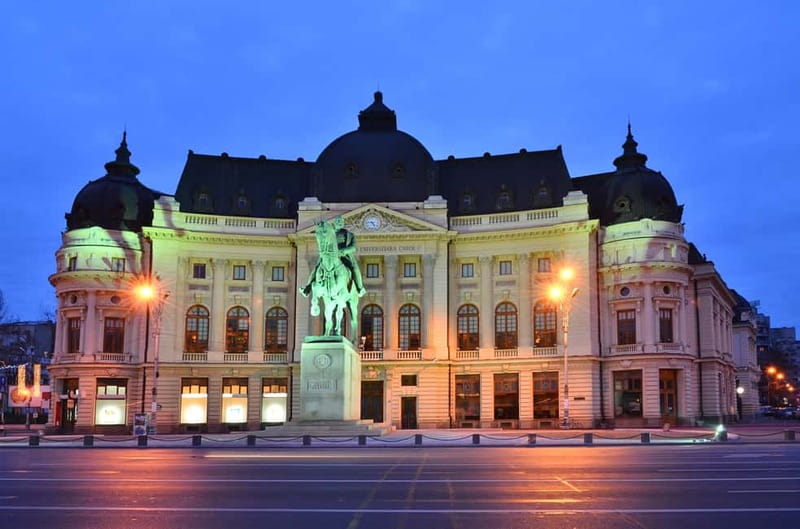
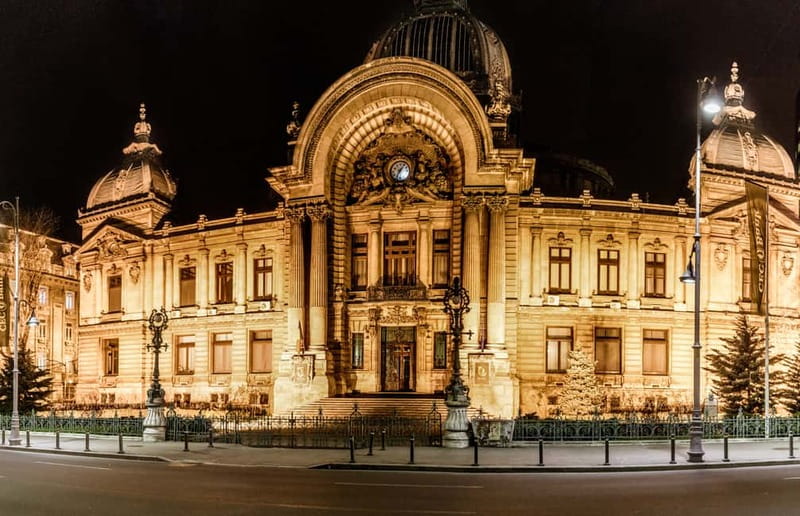
- CEC Palace and civic architecture: a chance to admire the landmark façades and hear what they represent
- Revolution Square and the civic core: you connect big political history to everyday city design
- Palace of Justice by Dambovita: the river banks set the tone for the rest of the loop
- Italian Church stop: you get a real sense of how faith and community left marks in the city
- Short, focused timing: 2 hours that end with a recap in the old town, so you can keep exploring with clearer context
Why Bucharest’s Italian story is worth your time
Bucharest looks like a city of layers, and this walk helps you read those layers instead of just photographing them. The Italian emigration story here matters because it shows up in buildings, institutions, and street-level culture, not only in textbooks.
I like that the tour focuses on a specific time window, the end of the eighteenth century and the early nineteenth century. You’re not asked to memorize dates. You’re shown landmarks tied to the way Italian immigrants shaped development, then pointed toward the traces still visible in Bucharest’s street plan.
Starting near Piata Natiunile Unite, then crossing into the story
You begin at Transylvanian Wonders office on Bulevardul Natiunile Unite 4, Bloc 107/A. The guide meets you in Piata Natiunile Unite, about 100 meters from the office, so give yourself a little buffer to avoid standing around with a map app and a confused look.
From there, you cross the Dambovita River and move into the older-feeling streets that set up the rest of the route. That river crossing is more than a geographic move. It acts like a before-and-after in the city, so when you reach the avenue later, it feels like the city opened up rather than you just switched neighborhoods.
A short list of what else is worth booking.
- Bucharest: Dracula’s Castle, Peles Castle, & Brasov Old Town★ 4.5 · 17,858 reviews
- Bucharest: Dracula Castle, Peles Castle & Brasov Old Town★ 4.6 · 10,891 reviews
- Bucharest: Dracula’s Castle, Peleș Castle & Brașov Day Trip★ 4.4 · 6,100 reviews
Palace of Justice and the Dambovita River banks
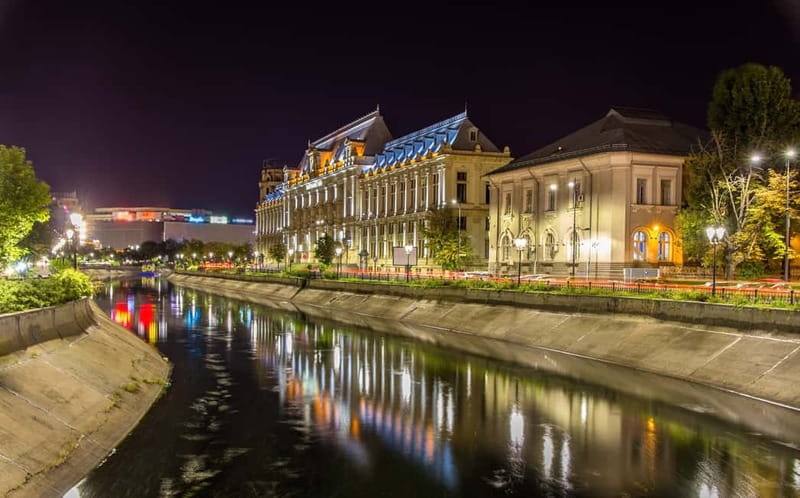
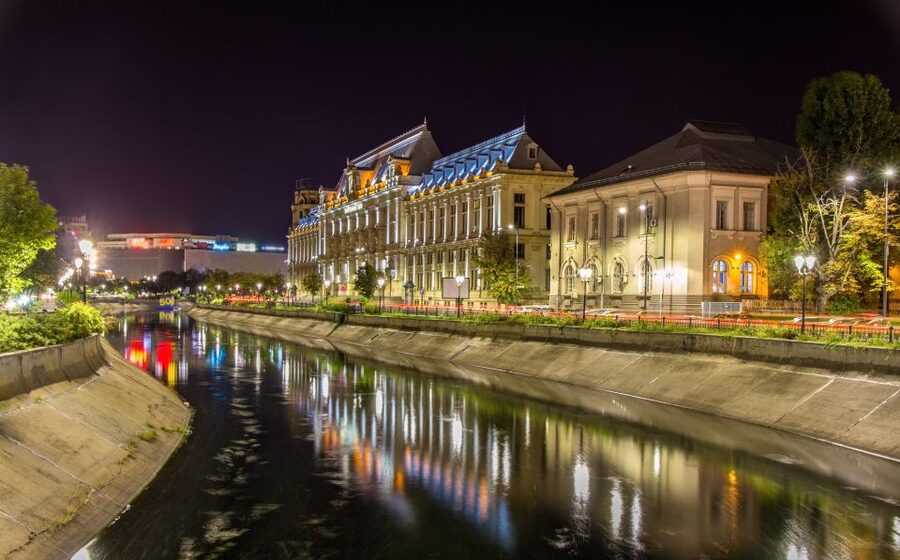
One of the first big visual beats is the Palace of Justice on the banks of the Dambovita River. It’s the kind of landmark that tells you this part of Bucharest was built to impress, not just to function.
What you gain here is context. The guide links the architecture and the civic importance of the area to the broader historical setting where Italian immigrants were part of the city’s evolving story. Even if you are not a courthouse person, the building helps you understand why this city’s core matters when discussing immigration and influence.
Revolution Square and the CEC Palace: where power meets public life
As the route continues, you hit Revolution Square, plus the CEC Palace and the CEC bank building. This is where Bucharest’s grand civic style starts to feel like a stage set for real history.
I like this segment because it’s not just “look at the pretty building.” You’re shown how the city’s centers of finance, politics, and culture connect to the people who helped shape Bucharest’s growth. If you care about architecture, this is a strong stretch. If you care more about how cities work, it’s still valuable because it explains why these areas became magnets for communities.
A useful tip: take a moment to look at how the streets frame the buildings. Bucharest’s center is very walkable, but only if you keep your bearings. This tour does that work for you.
Atheneum area and the old Senate house context
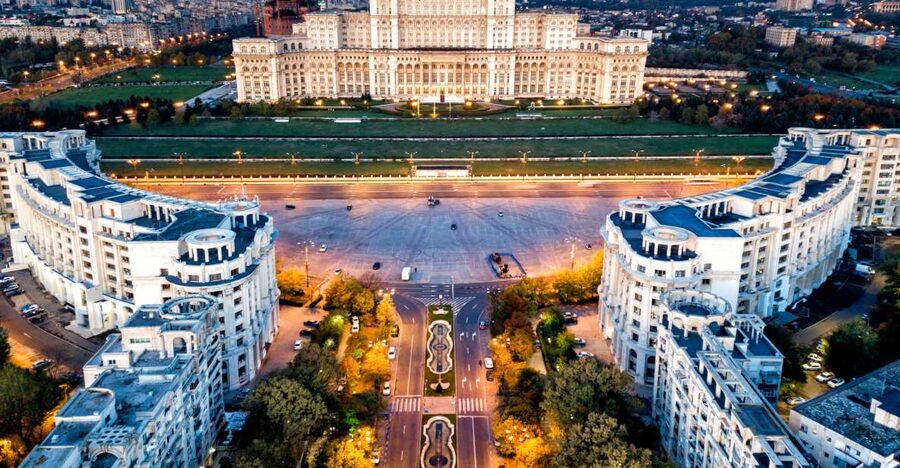
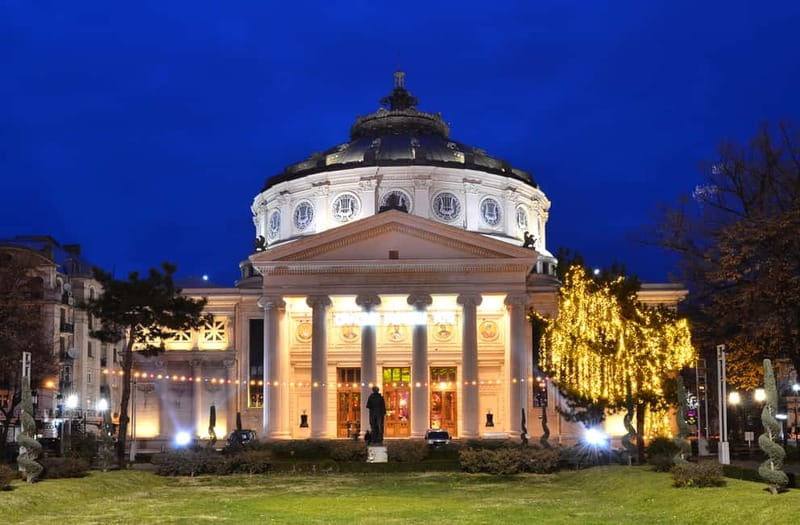
The walk also passes by the Atheneum and includes stops connected to the old Senate house. These are the kinds of landmarks that can blur together in a quick self-guided day, but with a guide you get the missing glue.
This is where the Italian influence angle starts to feel concrete. You’re basically learning how immigrants and their networks can show up in cultural and civic institutions, and how those spaces shape identity over time. Even if you don’t know the specifics right away, you’ll leave with a better sense of why the city developed the way it did.
Victory Road: the historic spine of the walk
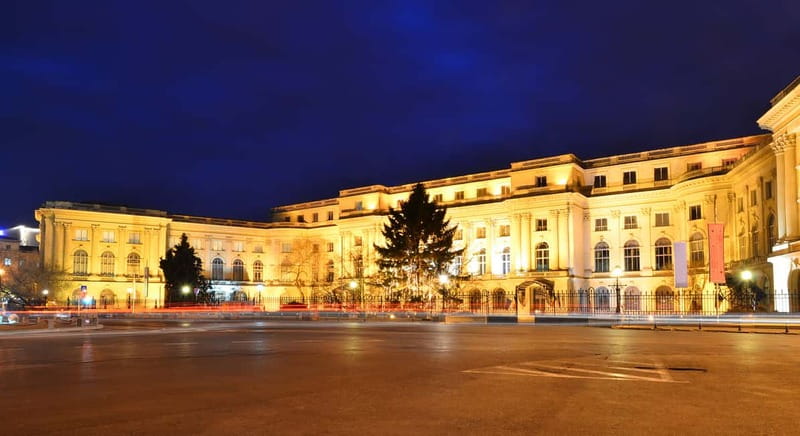
Now comes the part you’ll remember: Victory Road. This avenue is called out as the surreal world you enter during the tour, and I agree with that vibe. It’s a long, attention-holding corridor of façades and street drama, and it’s also where history has room to show itself.
Walking along Victory Road, you’re tracing the traces of Italian immigration and its influences across multiple stops. Key places along the route include the National History Museum and other landmark points that connect back to Italian presence in the city’s development.
What makes Victory Road such a good match for an immigration-focused tour is that it’s a real urban artery. You are not peeking into one museum room and calling it a day. You’re moving through the city’s main pedestrian-friendly spine, so the story travels with you.
Potential drawback to consider here: Victory Road can feel busy and crowded at times. If you like quiet, slower streets, this segment might feel a bit fast. If you’re okay with city energy, it’s the highlight for a reason.
These pair well with the day you just read about.
- Bucharest: Palace of Parliament Tickets and Guide
★ 4.3 · 3,182 reviews - Bucharest: Day Trip to Dracula Castle, Peles Castle & Brașov
★ 4.4 · 3,049 reviews - Bucharest to Dracula Castle, Peles Castle and Brasov Guided Tour
★ 4.5 · 2,933 reviews - Bucharest: Palace of Parliament Tickets and Guided Tour
★ 4.4 · 1,877 reviews - Dracula’s Castle, Peles Castle and Brasov Day Trip from Bucharest
★ 4.5 · 1,804 reviews
The Italian Church stop, and why it changes your perspective
A standout stop is the Italian Church. Seeing a religious landmark on a route about immigration is a smart choice because it shifts the story from economics and civic life to community and continuity.
I like this moment because it often gives you a clearer emotional handle on the migration story. Institutions like churches are not just buildings. They’re signals that people organized, stayed connected, and wanted their culture to have a physical place in the city.
If you are the type who enjoys listening more than staring, this is where the guide’s explanations can really click. Look up at details when you can, but also keep your eyes on how the church fits into the street around it. That contrast between monumental and everyday is the whole point.
Ending in Bucharest’s old town with a recap you can use
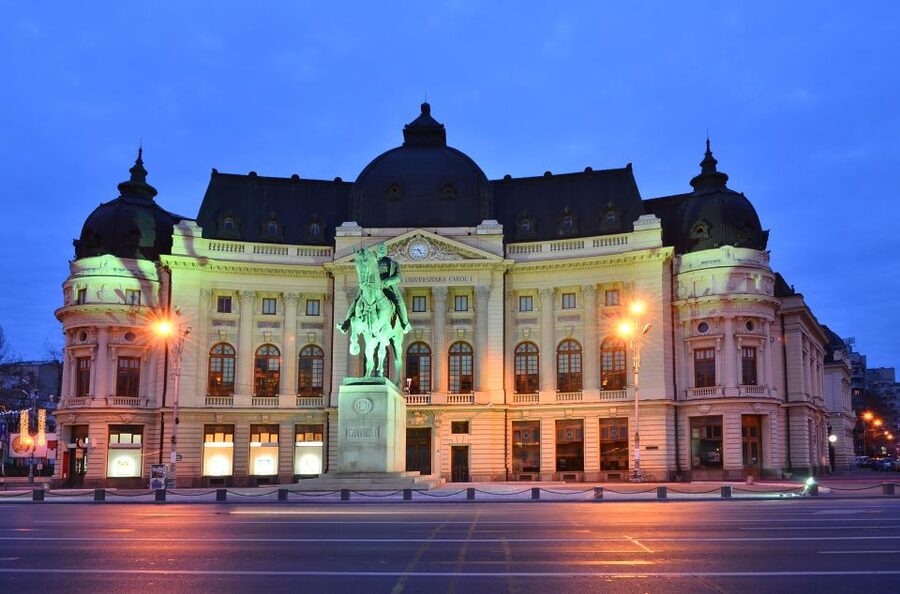
Your tour finishes in Bucharest’s old town with a quick recap of the historic importance of Italian immigration in Bucharest and Romania. That ending matters. It’s where your brain turns a set of stops into a story you can carry into the next walk.
When you leave, you’ll be better prepared to explore on your own. You’ll recognize civic buildings, squares, and main avenues as part of a longer historical process rather than isolated landmarks. That makes your next hours in the old town more rewarding, because you know what to pay attention to.
Price and value: why $11 for 2 hours can make sense
At $11 per person for a 2-hour guided tour with a professional local guide, the value is strong on paper. The price is especially attractive if you want the guide’s interpretation. Architecture and civic landmarks can feel abstract without someone connecting them to history, and this tour is built exactly for that connection.
The best value comes from the mix of sights. You’re not only seeing one type of building. You’re seeing riverfront civic grandeur, a banking landmark, big public squares, an avenue-level walk, and an Italian church stop. For the time, that is a lot of variation.
To be fair, the value also depends on your comfort with walking. If you struggle with city sidewalks or dislike steady walking, you might feel like you wanted more seated time. If you’re fine with a brisk, compact loop, this price feels like a bargain.
Who this tour fits best
This walk is a great fit if you:
- Enjoy guided city history that points to buildings you can keep revisiting later
- Like immigration stories told through architecture and neighborhoods
- Want a compact 2-hour option that still feels like a full narrative
It’s less ideal if you want a relaxed sightseeing pace with lots of extra free time. The structure is designed to cover multiple landmark points without dragging.
Also note the age guideline: it is not suitable for people over 95 years, so keep that in mind when planning.
Should you book this tour?
If you want a focused introduction to Bucharest through the lens of Italian immigration, I think this is worth booking. You get a clear route, strong landmark variety, and an Italian-speaking guide who can answer questions with extra context, including examples of guides like Roberto and Daniel being praised for friendliness and expertise.
Book it if you like walking and want your history anchored to real places, not generic facts. Skip it if you need a very slow, mostly seated experience, because this one is built as a continuous city stroll along the river and down Victory Road.
FAQ
How long is the Bucharest Italian emigration tour?
The tour lasts 2 hours.
How much does it cost?
The price is $11 per person.
Where do I meet the guide?
Meet at the Transylvanian Wonders office on Bulevardul Natiunile Unite 4, Bloc 107/A. You meet your guide in Piata Natiunile Unite about 100 meters from the office.
What language is the tour in?
The live tour guide speaks Italian.
What are the main highlights I will see?
You’ll focus on the Palace of Justice on the Dambovita River, the CEC bank building, Revolution Square, the old Senate house, and the historic stretch known as Victory Road, with other stops tied to Italian influence.
Is there free cancellation?
Yes. You can cancel up to 24 hours in advance for a full refund.
Can I reserve and pay later?
Yes. You can reserve now and pay later.
What should I bring, and what is not allowed?
Bring comfortable shoes and weather-appropriate clothing. Audio recording is not allowed. Alcohol and drugs are not allowed, and bare feet are not allowed.
Is this tour suitable for older travelers?
It is not suitable for people over 95 years.
Just Added: New Tours From Bucharest
- Bear Watching in Transylvania 2-Day Tour
- National Village Museum and Comana Adventure Park
- Half Day Tour in Bucharest
- From Dracula to Ceaușescu- Romanian Terror Stories tour
- Full-Day Private Tour of Brasov City and Peles Castle from Bucharest
- Bucharest: Tour The Wine Road, 2 Boutique Wineries in 1 Day
- Bucharest Ceaușescu House Parliament Palace &Village Museum
- Full-Day Private Tour of Bucharest and Mogosoaia Palace