
Reviewed · TRANSYLVANIA TOURS
Bucovina Painted Monasteries & Transylvania Tour: 4-Day Private
Romanian churches painted wall to wall. What makes this tour feel special is the mix of private transport and one-on-one guidance, so you can actually hear what you are looking at instead of just shuffling between stops. You also get a tight circuit through the famed painted sites of northern Moldavia, then a shift into Transylvania’s fortified towns and medieval architecture.
I also like the practical pace: each monastery stop is built around time to see the frescoes clearly, then you move on before the day turns into a blur. You’ll spend three nights in 3-star hotels and have breakfast included three mornings, which helps a lot when you are covering this much ground.
One consideration: you should plan for extra onsite costs. Some entrance fees are included for specific stops, but other key visits are not, and the tour notes tickets may cost around €25 to €30 per person for indoor entrances. Plus, photo rules at monasteries can be strict, so pack for modest clothing and be ready for restrictions.
In This Review
- Key highlights worth paying attention to
- Private transport and Bucharest pickup: how the tour starts
- Agapia Monastery and Văratec Monastery: nuns, frescoes, and a calm pace on Day 1
- Sucevita, Moldovița, and Voroneț: the painted monasteries circuit on Day 2
- Sighișoara and Viscri: UNESCO walls and Saxon church strength on Day 3
- Brașov historical center: trade routes, Saxon roots, and a walkable finish
- Black Church and Peliș Castle: Gothic worship and a royal summer palace on Day 4
- Hotels, breakfast, and how this tour keeps you comfortable
- Price and value: what you are paying for at $1,356.43 per person
- Photo rules, dress code, and small costs that can affect your day
- Who this tour suits best in Romania
- Should you book this Bucovina and Transylvania private tour?
- FAQ
- Is this a private tour?
- Where does the tour start and end?
- What is the meeting time?
- Are hotel pickups included?
- How many nights of accommodation are included?
- Is breakfast included?
- Are entrance fees included?
- What sights are marked as not having admission included?
- What is the cancellation timeframe for a full refund?
- What happens if weather is poor?
Key highlights worth paying attention to
- Comfort-focused private transport with Bucharest pickup arranged anywhere in the city
- One-on-one guide time for art, religion, and historical context at each stop
- Painted monasteries route in northern Moldavia, including Voroneț and its famous blue fresco tone
- UNESCO World Heritage stops in Sighișoara and Viscri’s fortified church
- Balanced city mix in Brașov plus major church sights in the Transylvania portion of the trip
- Hotel base for three nights plus breakfasts, so your mornings run smoother
Private transport and Bucharest pickup: how the tour starts
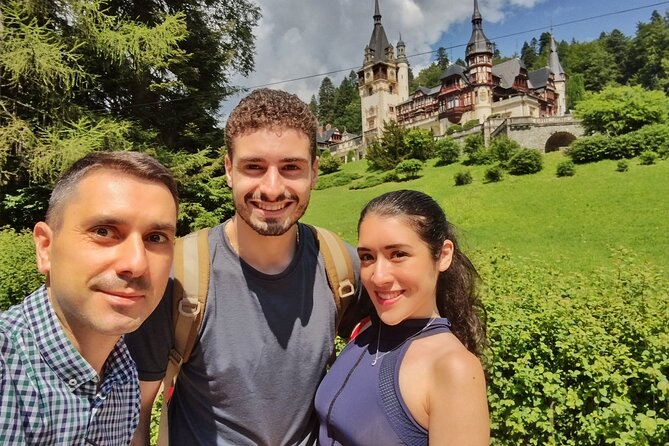
The day begins in Bucharest with pickup possible anywhere in town, and a start time of 9:00 am. That matters because this itinerary is all about distance and timing. When you are doing Bucovina first, then rolling into Transylvania, you do not want to waste half a day figuring out trains and local transfers.
You ride in a comfortable, private vehicle, which tends to make the long drives less tiring. In this kind of tour, the driver is half the experience, because roads and timing can change by season, weather, and traffic. Having a private setup also means your guide can adjust the order or timing to keep you from arriving at every site at peak crowd moments.
If you like structure but not rush hour chaos, this is the right style of trip. It feels like a careful route with just enough flexibility to make stops make sense.
Agapia Monastery and Văratec Monastery: nuns, frescoes, and a calm pace on Day 1
Day 1 centers on two major Orthodox convent communities near Târgu Neamț: Agapia Monastery and Văratec Monastery. Each stop is about an hour, which gives you time to look closely without eating your whole day.
Agapia Monastery is associated with a church built between 1641 and 1643 by hetman Gavriil Coci, with later restoration and repainting of church art by Nicolae Grigorescu between 1858 and 1861. The size is the first thing that hits you, since it is one of the largest nunneries in Romania, with roughly 300 to 400 nuns. That scale changes the atmosphere, it is not just a pretty building, it is a living place with a strong daily rhythm.
Văratec Monastery is even larger, with more than 400 nuns living there. Going back-to-back between these two convents is a smart choice. You see how the painted church tradition fits into monastic life, and you get a feel for how similar settings can still feel different.
Practical tip: dress modestly for church grounds. One practical note from the field is that you may be asked to wear trousers or a long skirt to access the grounds, even if a covered head is not strictly enforced.
Castles, forests, and the region Dracula made famous
- Transylvania and Dracula Castle Full Day Tour from Bucharest★ 4.5 · 1,589 reviews
- Castles of Transylvania: Private Day Trip from Bucharest★ 4.5 · 248 reviews
- 2-Day Medieval Transylvania with Brasov,Sibiu and Sighisoara Tour from Bucharest★ 4.5 · 145 reviews
Sucevita, Moldovița, and Voroneț: the painted monasteries circuit on Day 2
If you sign up for this tour, this is the core day. Day 2 strings together three of the best-known painted churches of Bukovina: Sucevita Monastery, Moldovița Monastery, and Voroneț Monastery. Each stop gets about two hours, which is the sweet spot for fresco viewing without burnout.
At Sucevita, you are looking at a church whose architecture mixes Byzantine and Gothic elements, with stylistic touches tied to northern Moldavia’s painted-church tradition. The important part is the murals themselves, since both interior and exterior walls are covered with painting cycles. The murals depict biblical episodes from both the Old and New Testament, and that makes the visit feel like an art history lesson with a spiritual story line.
Moldovița Monastery adds a political layer to the art. Built in 1532 by Petru Rareș (Stephen III of Moldavia’s illegitimate son), it was founded as a protective barrier against Ottoman pressure from the east. That context helps you read the paintings as more than decoration, they connect to how communities defended identity and meaning through faith.
Then you reach Voroneț, and this is where the nickname lands. Voroneț is often called the Sistine Chapel of the East, thanks to its highly preserved frescoes. The most famous detail is the intense shade of blue known in Romania as Voroneț blue. When you see it in person, it helps explain why this site became a must for art lovers and photographers.
Practical tip for photos: photo rules can be strict at monasteries. One firsthand detail in the notes is that a small payment (10 Lei) may be required for outside photos, and inside photography is not allowed. Plan your shots accordingly, and do not assume the rules are the same at every stop.
Sighișoara and Viscri: UNESCO walls and Saxon church strength on Day 3
Day 3 pivots west into Transylvania, starting with the historic center of Sighișoara. Sighișoara is a UNESCO-listed medieval citadel with a well-preserved walled old town. The big value here is that you see how Transylvania’s Saxon heritage shaped everyday urban life, not just castles in the distance.
The tour then continues to Viscri Fortified Church, also UNESCO World Heritage. This fortified Saxon church is a different kind of wow compared with the painted monasteries. Here, the focus is on medieval defense and community architecture, the kind that protected worship and people in unsettled times.
Viscri’s church visit is shorter than some stops, around one hour. That can be a good thing if you want to keep energy up for the final urban leg of the day.
Short advice: if you want great photos, consider the light. Fortified churches and old stone towns tend to look best when the sun is not overhead, and you will feel less rushed if you have time to walk a few extra minutes on your own.
Brașov historical center: trade routes, Saxon roots, and a walkable finish
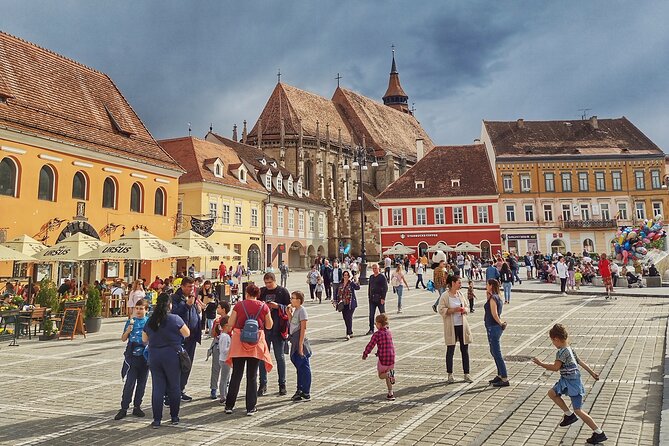
After Viscri, you head to Brașov for the historical center visit. Brașov mattered in the past as a regional capital for Transylvanian Saxons in the Burzenland area, and it also served as a commercial hub on trade roads linking east and west. That background helps the city feel bigger than one famous landmark.
Brașov is also tied to a national cultural moment, since it is the birthplace of Romania’s national anthem. Even if you are not a history buff, that kind of detail gives you a reason to pay attention while you walk.
This stop runs around two hours. I like that timing for a city portion. You can see a chunk of the center, get your bearings, then still have time later in the day if you want a casual dinner or a slow stroll.
Black Church and Peliș Castle: Gothic worship and a royal summer palace on Day 4
Day 4 brings you two major hits in the Transylvania finale: the Black Church and Peliș Castle near Sinaia.
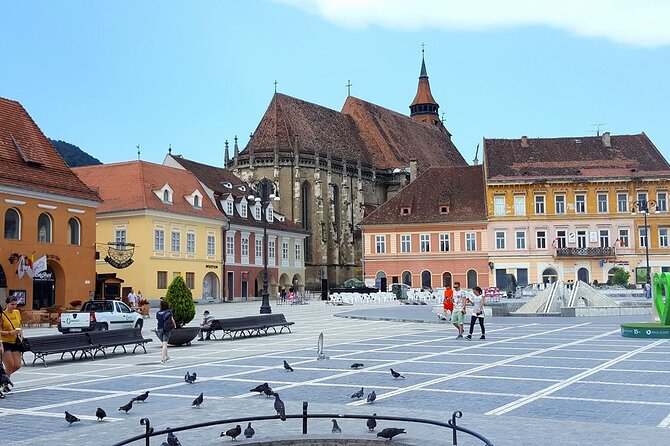
The Black Church is described as the main Gothic-style monument in Romania and the largest and one of the most important Lutheran places of worship in the region. Built by the German community, it gives you a different angle on Transylvania’s layered identity. You are no longer looking at Orthodox iconography, you are seeing how German settlers shaped the religious architecture too.
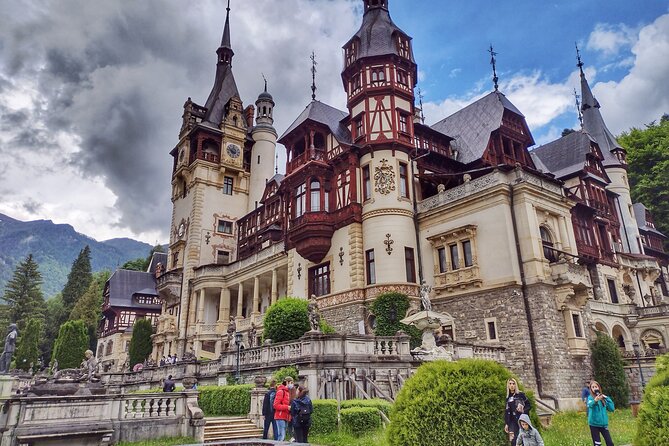
Then comes Peliș Castle, the summer royal residence built for King Carol I. It is a Neo-Renaissance castle in the Carpathian Mountains area near Sinaia, built between 1873 and 1914. This is the kind of stop that feels like a switch in gear, from fortified church power to royal display and refined design.
Both of these are listed as not including admission fees in the provided details, so plan extra money if you want to go inside. That sounds small on paper, but it matters for total trip cost.
Other day trips from Bucharest
- 4-Day Private Tour in Transylvania from Bucharest
★ 5.0 · 48 reviews - Transylvania Castles 4-day tour from Bucharest
★ 5.0 · 31 reviews - 4 Days Private Tour in Transylvania: Sibiu, Sighisoara and Brasov
★ 5.0 · 18 reviews - 4-Day Private Tour of Transylvania from Bucharest
★ 5.0 · 16 reviews - Private Tour: 4-day Transylvania Famous Landmarks
★ 5.0 · 11 reviews
Hotels, breakfast, and how this tour keeps you comfortable
You stay three nights in three-star hotels. That is a good match for a tour like this, where you are not booking a resort vacation. Your hotel is a base, and the comfort you care about most is clean rooms, reliable breakfast, and an easy return after long drives.
Breakfast is included for three mornings. I appreciate that for practical reasons: you do not have to find a place early, and you can keep your sightseeing day moving. In Romania, breakfast options are often solid, but starting with included meals keeps the schedule simple.
Fitness-wise, the tour asks for a moderate level. That usually means walking around church grounds, old town areas, and museum-like interiors. You do not need to be an athlete, but you should be comfortable with regular walking and stairs in older buildings.
The pacing also matters psychologically. You get real viewing time at each monastery, then the route shifts to towns where you can walk and slow down.
Price and value: what you are paying for at $1,356.43 per person
At $1,356.43 per person, you are paying for a private, guided, logistics-heavy itinerary. That is not a cheap sightseeing spree, but it is not just paying for tickets either.
What you are really buying is:
- Private transport plus Bucharest pickup and drop-off
- A private guide with one-on-one attention
- Three nights in 3-star hotels
- Breakfast for three mornings
Then there are the extra costs to watch. The details indicate included entrance for some stops, and not included for others. For the ones without included admission, expect to purchase tickets onsite, and the tour notes costs around €25 to €30 per person. That can be manageable, but it should shape your budgeting.
So, is it worth it? If you want comfort, time efficiency, and deep context at every major site, the price can make sense. If you are a low-cost, self-guided traveler who enjoys figuring out your own route, you might feel the cost more sharply.
My advice: look at the stop mix. You are getting two days centered on painted monasteries plus UNESCO towns and a royal castle. That range is exactly where guided logistics pay off.
Photo rules, dress code, and small costs that can affect your day
This tour mixes monasteries, churches, and old-town walking. Those settings often come with rules and small fees that can change your plans if you do not expect them.
For clothing, plan modest wear for church grounds. One noted detail is trousers or a long skirt requirement for access to monastery grounds, even if a covered head is not always enforced.
For photos, assume you may face restrictions. A specific note in the tour experiences is that outside photography may require a photo receipt, while inside photography is not allowed. That means you should treat monastery exteriors as your photo window and keep your best shots framed early.
Finally, keep some cash or card ready for onsite ticket purchases at stops marked as not included. The tour provides an approximate range of €25 to €30 per person for indoor entrances, which is helpful for budgeting.
Who this tour suits best in Romania
This is a strong fit if you care about art, faith traditions, and how history shaped daily life. You get the big painted monastery experience in northern Moldavia, then you shift into Transylvania’s Saxon urban and religious architecture.
It also suits you if you want a guide who can connect details to what you see on the wall and in the stonework. The guide experience has been a standout theme in the tour’s feedback, with names like Toni Tatar and Marius mentioned for professionalism and making history feel real. People also highlight that the guides stayed calm and helpful even during a health scare for someone in the group, which says a lot about how the tour handles real-world bumps.
You might want a different option if you dislike churches and interiors, or if you want a totally free-form schedule. This itinerary is structured, and the days run on stop times.
Should you book this Bucovina and Transylvania private tour?
Yes, if you want a guided, comfortable route that hits the region’s signature painted monasteries and then connects them to Transylvania’s UNESCO towns and iconic churches. The biggest payoff is the pairing of art-focused stops with strong local interpretation, plus private transport that keeps your energy for viewing.
I would book it especially if you value one-on-one attention and hate the stress of coordinating multiple tickets and transfers. This is the kind of trip where the guide’s context saves you from walking past details you would otherwise miss.
I would think twice if your budget is tight, because onsite entrances and photo rules can add small costs. If you are fine planning for about €25 to €30 per person for non-included indoor visits, you will be in good shape.
FAQ
Is this a private tour?
Yes. It is a private tour/activity, and only your group participates.
Where does the tour start and end?
It starts in Bucharest, Romania and ends back in Bucharest.
What is the meeting time?
The start time is listed as 9:00 am.
Are hotel pickups included?
Yes. Hotel pickup and drop-off in Bucharest are included, and the tour says pickup can be arranged anywhere in Bucharest.
How many nights of accommodation are included?
Three nights of accommodation in 3-star hotels are included.
Is breakfast included?
Yes. Breakfast is included for three days.
Are entrance fees included?
Some entrances are included at specific stops, but other inside visits are not included and tickets can be purchased on the spot. The tour notes an approximate cost of €25 to €30 per person for these inside visits.
What sights are marked as not having admission included?
Viscri Fortified Church, the Black Church, and Peliș Castle are listed as not included for admission.
What is the cancellation timeframe for a full refund?
You can cancel up to 6 days in advance for a full refund.
What happens if weather is poor?
The experience requires good weather. If it is canceled due to poor weather, you are offered a different date or a full refund.
Just Added: New Tours From Bucharest
- Bear Watching in Transylvania 2-Day Tour
- Half Day Tour in Bucharest
- National Village Museum and Comana Adventure Park
- From Dracula to Ceaușescu- Romanian Terror Stories tour
- Full-Day Private Tour of Brasov City and Peles Castle from Bucharest
- Bucharest: Tour The Wine Road, 2 Boutique Wineries in 1 Day
- Bucharest Ceaușescu House Parliament Palace &Village Museum
- Full-Day Private Tour of Bucharest and Mogosoaia Palace
Transylvania Tours, compared.
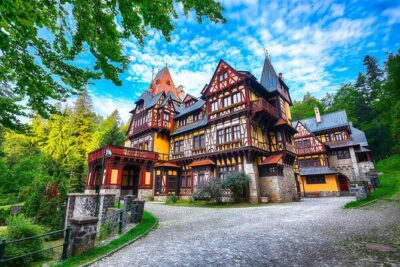
Transylvania and Dracula Castle Full Day Tour from Bucharest
Read our review →
Castles of Transylvania: Private Day Trip from Bucharest
Read our review →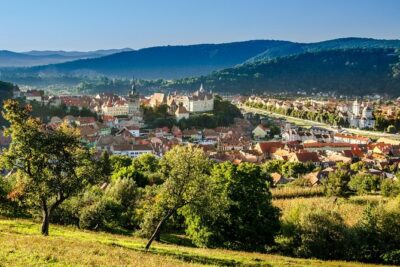
2-Day Medieval Transylvania with Brasov,Sibiu and Sighisoara Tour from Bucharest
Read our review →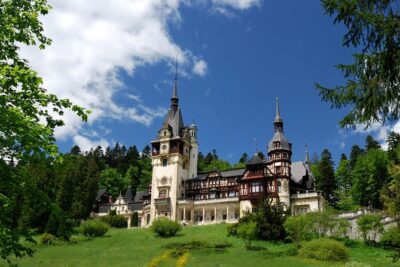
2-Day Transylvania from Bucharest: Brasov, Bran, Sighisoara
Read our review →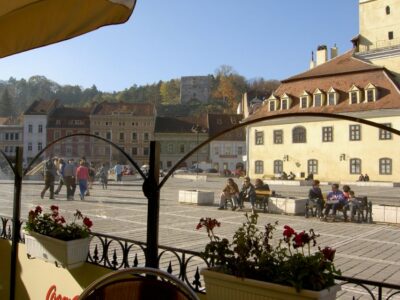
Transylvania: Cultural Full-Day Trip by Minivan
Read our review →
4-Day Private Tour in Transylvania from Bucharest
Read our review →
Private Tour: Transylvanian Castles and Brasov’s Medieval Old Town
Read our review →
Transylvania Castles 4-day tour from Bucharest
Read our review →Browse the lists this tour appears in