
Reviewed · TRANSYLVANIA TOURS
Dracula beyond the legend: 8-day private tour in Transilvania
Castles, myths, and a serious Vlad angle. This 8-day, English-guided trip strings together real locations tied to Vlad Tepes instead of just reenactment vibes. I like that it mixes big-name sights with lesser-known churches and fortresses, so you get a full sense of what medieval Transylvania and Wallachia felt like.
My second big plus is the practical, hands-on way the tour moves you around. You’ll ride to highlights in a modern vehicle, with entrance fees handled, and there is even a wooden carriage ride in Sibiu. One thing to consider, though, is the amount of driving: it is an active road trip with several long transfer days, so plan for seat time and bring snacks and water.
In This Review
- Key highlights that make this Dracula trip click
- Bucharest start: People’s House and Old Town with a Vlad lens
- Târgoviște and Curtea de Argeș: Vlad’s capital energy plus a Romanian legend
- Transfăgărășan views and Sibiu’s ASTRA Museum carriage ride
- Corvin Castle and Densuș Church: Gothic drama that goes beyond Dracula
- Alba Iulia’s citadel and Salina Turda underground entertainment
- Biertan Fortified Church and Sighișoara: Saxon walls and UNESCO drama
- Brasov streets, the Black Church, and the mood of Bran Castle
- Old Town timing on the final morning
- Price and value: what you get for $3,113.31 per person
- Small-group feel, start times, and what to pack
- Should you book Dracula Beyond the Legend in Transylvania?
- FAQ
- What is the start time and pickup like in Bucharest?
- Is the tour in English?
- How many people are on the tour?
- What’s included in the price?
- Are meals included besides breakfast?
- Does the tour include entrance fees?
- What is the cancellation policy?
Key highlights that make this Dracula trip click
- Vlad Tepes connections built into the stops, from royal courts to burial legends
- Bucharest first, with the Palace of Parliament and Old Town walking time
- Transfăgărășan Highway photo moment plus scenery breaks between darker chapters
- Sibiu by old-world carriage at the ASTRA Museum experience
- Gothic and fortified Romania, including Corvin Castle, Biertan, and Sighișoara
- Bran Castle and Snagov Monastery, the two sides of the Dracula mood
Bucharest start: People’s House and Old Town with a Vlad lens
Bucharest can feel modern at first glance, then this tour gently flips the switch into “why did stories take root here?” Your first big stop is the Palace of Parliament, also called the People’s House. It is the largest administrative building in the world and dates from the late communist era, built between 1984 and 1997. Even if you are not into architecture, it is hard not to stare at how huge it is, and your guide frames it against the time period that overlaps with Vlad Tepes.
Right after, you get a walking tour through the Old Town (Centrul Vechi). This is where the tour earns its Dracula credibility in a grounded way. You are not only looking at pretty streets and cafes, you are also shown Curtea Veche, the old royal court tied to the Vlad Tepes story. It is one of those moments where the myth suddenly has geography.
Practical note: you start at 9:00 am with pickup from any Bucharest hotel. That early start helps you fit in both the Palace and Old Town without feeling rushed, but you should still wear comfortable walking shoes.
Târgoviște and Curtea de Argeș: Vlad’s capital energy plus a Romanian legend
Day two begins with a trip to Târgoviște, the medieval capital of Wallachia where Romanian princes made this place a secondary residence. It is not random name-dropping. You get context on why the city mattered, including the fact that it was a Saxon colony in the 1200s and later became a political hub. Vlad Tepes shows up through the story of conflict and survival, including the siege and the city burning, plus the dramatic moment when Ottoman forces were stopped by Vlad’s Night Attack.
At the city sites, you visit the Princely Church and the Chindia Tower. This is the kind of stop that feels small on a map but big in atmosphere. Towers and churches anchor a place in centuries, and they give your Dracula knowledge something sturdier than a costume.
Later, you head to Curtea de Argeș Monastery, built between 1512 and 1517. What makes it memorable is the Romanian legend of Manole, a story about sacrifice and building something meant to last. It adds a human, cultural layer to all the vampire talk. You also learn that the monastery became a final resting place for members of the Royal House of Romania, which makes it feel less like a stop and more like a historical checkpoint.
Castles, forests, and the region Dracula made famous
- Transylvania and Dracula Castle Full Day Tour from Bucharest★ 4.5 · 1,589 reviews
- Castles of Transylvania: Private Day Trip from Bucharest★ 4.5 · 248 reviews
- 2-Day Medieval Transylvania with Brasov,Sibiu and Sighisoara Tour from Bucharest★ 4.5 · 145 reviews
Transfăgărășan views and Sibiu’s ASTRA Museum carriage ride
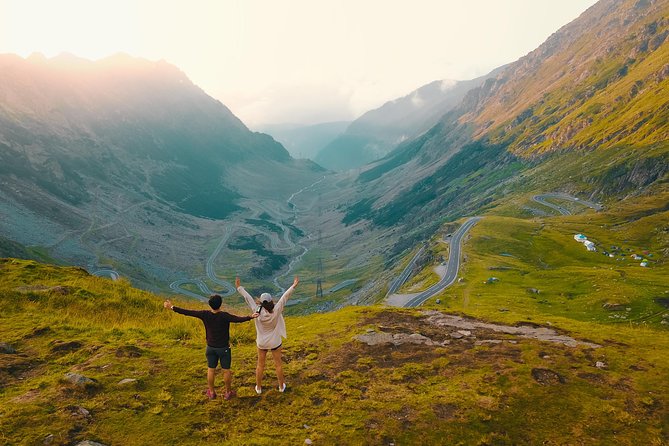
Day three starts shifting gears into landscapes and slower curiosity. You drive the Transfăgărășan Highway through the Southern Carpathians, reaching heights around 2,042 meters. This is one of the best ways to reset your brain between heavy Dracula sites. It also gives you real “wow” scenery time that is not just castles.
The tour then heads to Sibiu, and this is where it gets wonderfully different. You go to the ASTRA Museum, which includes over 300 traditional buildings and thousands of household objects. What I like here is that the tour does not only chase the vampire brand. It shows everyday Romania, the homes, tools, and rural life that exist beside the big myths.
You also get a carriage ride at the museum, which helps you slow down and experience the space instead of sprinting through it. After that, you take in the Piata Mare (Big Square) and a guided walk around key Sibiu landmarks. Expect stops like the Brukenthal Museum, the Holy Trinity Roman Catholic Cathedral, and Huet Square with its Evangelical Church. Then you get a few hours to explore the center on your own, which is where you can find your own pace, coffee breaks, and small streets.
One small thing to keep in mind: you will likely want to charge your phone early. Photo opportunities pop up, especially around mountain roads and old squares.
Corvin Castle and Densuș Church: Gothic drama that goes beyond Dracula
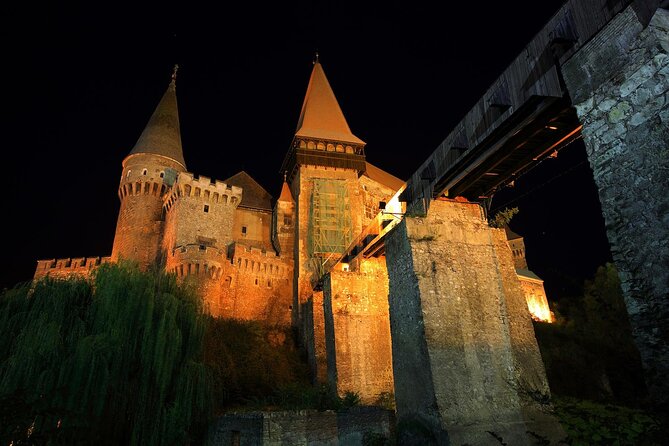
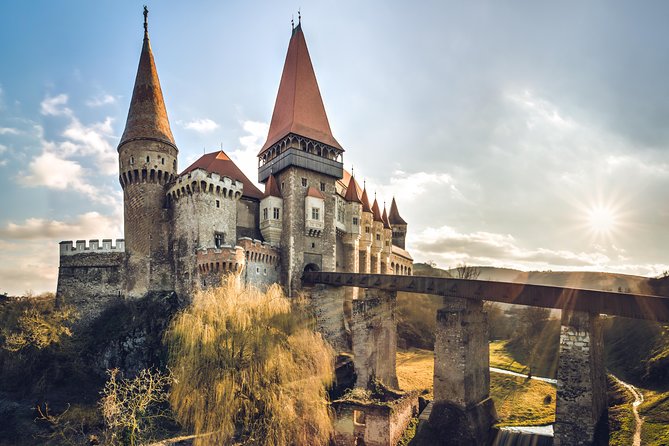
Day four is built around two strong “wow” sites, both with their own tone. First up is Castelul Corvinilor, also known as Hunyadi Castle in Hunedoara County. It is one of the largest medieval castles in Europe and uses Renaissance-Gothic architecture. You get the full set of castle visuals: towers, bastions, a moat, and an impressive inner courtyard.
There is also a Vlad-related legend here, involving the claim that Vlad the Impaler was imprisoned for seven years. Even if you treat legends as stories rather than court records, this stop works because the architecture feels like a real prison in spirit: cold stone, strong walls, and defensive design you can see.
Later you visit Densuș Church in the village of Densuș, described as one of the oldest Romanian churches still standing. The structure dates to the 7th century, while murals inside date to the 15th century, and they depict Jesus wearing traditional Romanian clothing. That detail is a neat reminder that Romanian religious art developed locally, not in a vacuum.
There are also two hypotheses about the church’s origins. One suggests it may have begun as a pagan temple, with clues like the altar’s orientation and symbolic roof shape. Another claims it was built as a mausoleum for the Roman general Longinus Maximus. Either way, you leave with a stronger sense that this region’s spiritual sites are layered, not one-note.
Alba Iulia’s citadel and Salina Turda underground entertainment
Day five takes you to Alba Iulia, in the center of Romania, and starts with the Alba Carolina Citadel. It is the largest medieval citadel in Romania, built between 1715 and 1738, and it connects to earlier defenses at the same site, including the Roman Castle of Legio XIII Gemina and the medieval fortress of Bălgrad.
What makes this stop interesting is the engineering angle. You learn about a fortification system linked to Prince Eugene of Savoy, designed to defend newly conquered Habsburg provinces. You also hear the citadel described as a Vauban bastion style fortification, which helps explain the star-like logic behind the walls.
After that, you head to Salina Turda, often described as a “center of the earth” experience. This is a fun contrast to castles. Turda Salt Mine has been used for mining salt for hundreds of years and is mentioned for the first time in 1075. Today the mine is turned into an underground entertainment space, with options like mini-golf, ping pong, bowling, a Ferris wheel, and even a boat ride on an underground lake.
If you are traveling with kids, this is one of the easiest stops to enjoy because it is interactive and energetic. Even adults usually like it because it is not another museum room, it is a different environment entirely.
Biertan Fortified Church and Sighișoara: Saxon walls and UNESCO drama
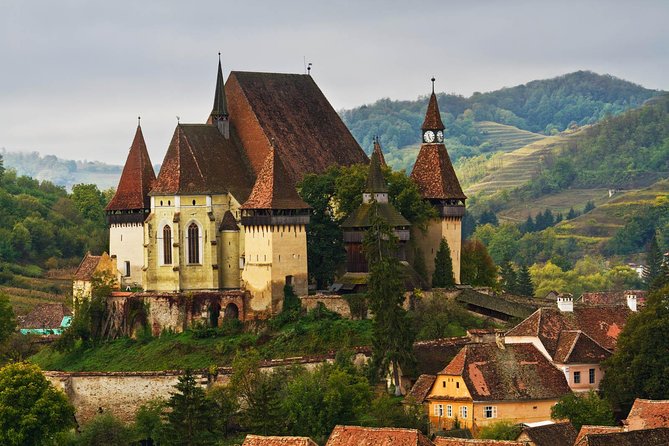
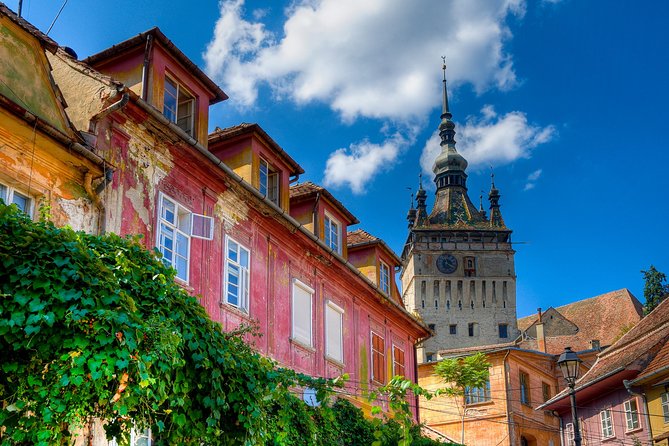
Day six is where Transylvania’s Saxon heritage starts to hit hard. You visit Biertan Fortified Church, a Gothic church surrounded by three sets of walls. That layered wall idea matters. It is not just pretty architecture, it tells you how people protected themselves. In a region with shifting power, fortifications were not optional.
Then you move on to Sighișoara, the only inhabited medieval fortress in Europe and a UNESCO World Heritage Site. You walk the cobblestone streets inside the fortress and reach the Clock Tower, the city’s symbol. Inside the tower, there is a museum with medieval weapons and a torture chamber. That is the darkest kind of curiosity, and it fits the overall Dracula vibe, but you keep it factual and historical.
Sighișoara is also considered the birthplace of Vlad the Impaler, and you visit the place connected to where he lived during his first years. This is one of those stops where the “Dracula story” becomes a real person’s childhood geography, and it gives you a more grounded feel for why later legends formed.
Other day trips from Bucharest
- Bucharest: Best of Bucharest Private Tuk-Tuk Tour
★ 5.0 · 238 reviews - Dracula’s Castle, Peles Castle and Brasov – Private Day Trip from Bucharest
★ 5.0 · 211 reviews - Best of Bucharest | Private Walking Tour
★ 5.0 · 199 reviews - Bucharest Panoramic Sightseeing – Private City Tour
★ 5.0 · 128 reviews - THERME “Take It Easy” Pack: Full Spa Access + Private Transfers
★ 4.0 · 117 reviews
Brasov streets, the Black Church, and the mood of Bran Castle
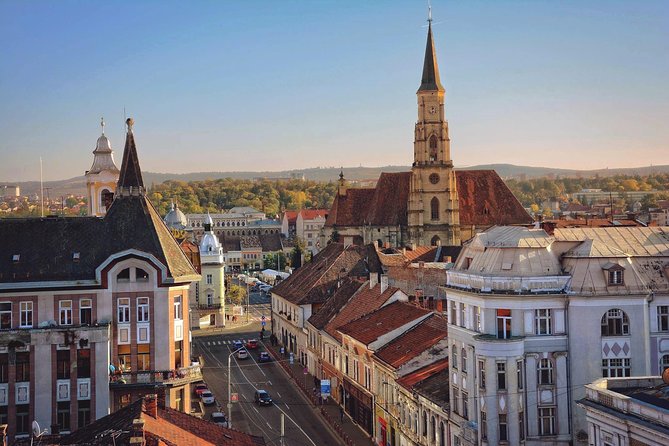
Day seven begins in Brașov, where you take a walking tour focused on both old-town beauty and major landmarks. You visit Council Square and learn about the Black Church, a well-known Gothic cathedral. You also walk one of the narrowest streets in the world, which is one of those classic “put your shoulders in and go slow” moments that instantly makes the city feel real.
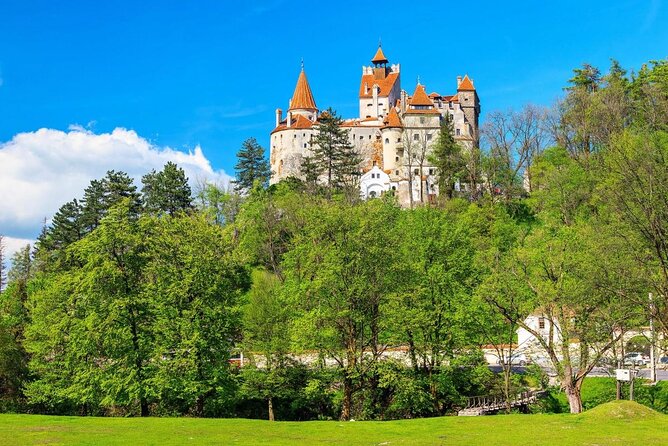
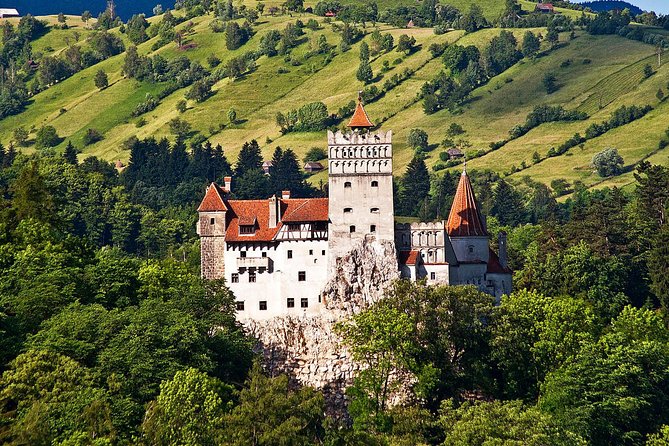
Then you drive to Bran Castle, often called Dracula’s Castle. Bran Castle is built in the 13th century on top of a 60-meter cliff, guarding an important access route into Transylvania. It is dramatic on purpose, and even if you know the tourism reputation, you still get a strong sense of medieval control and fear. The best approach is to treat it as a mood machine, not a perfect history lesson.
There is one more stop afterward: Snagov Monastery, back in Wallachia. The tour frames it as the burial place of Vlad Tepes, but also explains that the story is controversial. You get an alternate legend that connects the body story toward Italy, and you also hear the commonly accepted legend that rival families prevented a proper burial, leading monks to secretly move the body for Christian burial rites. Whether you believe every version or not, the stop works because it shows how legends evolve around places.
Old Town timing on the final morning
Day eight is lighter. After breakfast, you get a final transfer within the city, then you head to the airport based on your flight hours. I like this structure because it prevents the usual “full last day, long goodbyes” problem. It also gives you a last chance to spot something small in Bucharest before you fly.
Price and value: what you get for $3,113.31 per person
This price looks steep at first, so I always think in terms of what you avoid and what you gain. At $3,113.31 per person, you are paying for a guide, planning, long-distance driving, daily logistics, hotel stays, and entrance fees, not just transportation.
Here’s where the value usually lands:
- 7 nights in centrally located hotels with breakfast are included, and breakfast alone helps day one through day seven start easier.
- Entrance fees are included for the sights on the schedule, which saves time and avoids ticket line stress.
- Guided transport from Bucharest means you do not have to figure out routes and timing every day.
- Airport pickup and drop-off are included, which matters when you are arriving in a new country.
- A carriage ride in Sibiu is also included, so you do not miss that signature moment.
One small warning, because Romania listings sometimes vary: the tour description mentions hand-picked 3-star hotels, while the package details describe centrally located 4-star hotels with breakfast. I’d treat that as a “confirm it in your confirmation message” situation. Either way, the bigger win is that you know your sleep schedule is handled, so you can focus on the sights.
Small-group feel, start times, and what to pack
This is designed for a small group experience, with a maximum of 8 people during the tour, even though total booking limits can be higher. Start time is 9:00 am, and pickup is from any Bucharest hotel.
Because the schedule includes walking tours and castle and church visits, you’ll want the simple essentials: comfortable shoes and a light layer for cool stone interiors. You should also plan for uneven surfaces in medieval centers and fortress areas, where cobblestones and steps can slow you down.
If you care about photo quality, bring a power bank and plan to use small moments. The Transfăgărășan photo stops are time-limited, and the Old Town walks are best when you move with purpose, not shuffle.
And one more practical note: a guide makes a huge difference on this kind of trip. In one of the best pieces of feedback I saw, the guide Florin was praised for taking care of the details, especially making hotel check-ins go smoothly, while still delivering history in a way that feels connected, not memorized.
Should you book Dracula Beyond the Legend in Transylvania?
I’d book this if you want a Dracula-themed trip that takes the myths seriously, but keeps the experience grounded in actual places. The mix of Bucharest, fortified churches, citadels, and major castles gives you variety. You also get enough structured time that you do not feel lost, while still getting a bit of breathing room in places like Sibiu.
I’d hesitate if you hate road time or want a more relaxed pace. Several days are built around driving between regions and stacking multiple sites. Also, because the big highlight mentions Bran and Peles but the detailed stop list emphasizes Bran, I’d confirm Peles specifically in your final schedule.
If you like history that has atmosphere, and you want your Romania trip to feel like more than a photo tour, this one is a strong fit.
FAQ
What is the start time and pickup like in Bucharest?
The tour starts at 9:00 am. Pickup is offered from any hotel in Bucharest.
Is the tour in English?
Yes, it is offered in English.
How many people are on the tour?
The tour has a maximum of 8 travelers.
What’s included in the price?
The package includes a professional English-speaking guide, accommodation for 7 nights with breakfast, transportation in a modern vehicle, airport pick-up and drop-off, entrance fees, and a carriage ride in Sibiu.
Are meals included besides breakfast?
Meals other than those included in the itinerary are not included. Breakfast is included with the hotels.
Does the tour include entrance fees?
Yes, entrance fees for the included sights are covered.
What is the cancellation policy?
Free cancellation is available up to 24 hours in advance for a full refund. After that, refunds are not available.
Just Added: New Tours From Bucharest
- Bear Watching in Transylvania 2-Day Tour
- National Village Museum and Comana Adventure Park
- Half Day Tour in Bucharest
- From Dracula to Ceaușescu- Romanian Terror Stories tour
- Full-Day Private Tour of Brasov City and Peles Castle from Bucharest
- Bucharest: Tour The Wine Road, 2 Boutique Wineries in 1 Day
- Bucharest Ceaușescu House Parliament Palace &Village Museum
- Full-Day Private Tour of Bucharest and Mogosoaia Palace
Transylvania Tours, compared.
Transylvania and Dracula Castle Full Day Tour from Bucharest
Read our review →
Castles of Transylvania: Private Day Trip from Bucharest
Read our review →
2-Day Medieval Transylvania with Brasov,Sibiu and Sighisoara Tour from Bucharest
Read our review →
2-Day Transylvania from Bucharest: Brasov, Bran, Sighisoara
Read our review →
Transylvania: Cultural Full-Day Trip by Minivan
Read our review →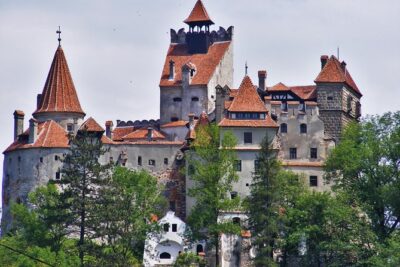
4-Day Private Tour in Transylvania from Bucharest
Read our review →
Private Tour: Transylvanian Castles and Brasov’s Medieval Old Town
Read our review →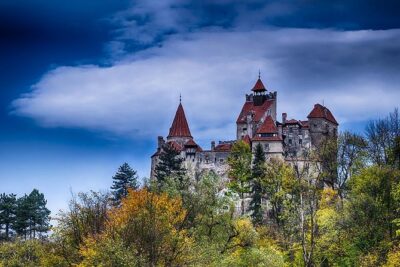
Transylvania Castles 4-day tour from Bucharest
Read our review →Browse the lists this tour appears in