
Reviewed · BUCHAREST
Slavery in Romania Myths and Truths About Gypsies
Roma myths get tested on Bucharest streets. This 3-hour English tour connects art, politics, education, and wartime memory as you walk from Teatrul Ion Creangă toward Mesteshukar ButiQ.
I especially like how the guide, Mihai, explains the topic in clear, grounded ways that link people and places. I also love the emotional punch of the Holocaust Memorial, paired with a practical final stop where you can see Roma craftsmanship up close.
One thing to consider is the pace. You are on your feet for the whole route, including a relaxed stretch through Cismigiu Park, and coffee or tea is not included.
In This Review
- Key highlights to know before you go
- What this Roma myths-and-truths tour is really about
- Price and what you actually get for $127.37
- Starting at Teatrul Ion Creangă, then moving fast through the center
- Stop 1: The Romanian Athenaeum, art as a way into the story
- Stop 2: Iuliu Maniu statue, where politics meets the Roma story
- Stop 3: Palatul Stirbei, a quick 19th century power look
- Stop 4: Cismigiu Parc walk, where education and memory share the same streets
- Stop 5: Gheorghe Lazăr National College, why education keeps showing up
- Stop 6: The Holocaust Memorial and the Roma experience in WWII
- Stop 7: Piața Mihail Kogălniceanu, a writer linked to how Roma were first discussed
- Stop 8: Mesteshukar ButiQ (MBQ), ending with Roma crafts you can support
- The guide and pacing, what makes this feel worth it
- What to do if you want to get more out of the tour
- Who should book this tour, and who might prefer something else
- Should you book this Bucharest Roma myths-and-truths tour?
- FAQ
- How long is the tour?
- What is the meeting point and where does the tour end?
- Is the tour offered in English?
- How much does it cost?
- What is included in the price?
- Are admission tickets included for the stops?
- What should I expect in terms of walking?
- Is coffee or tea included?
- Can I get a refund if I cancel?
Key highlights to know before you go
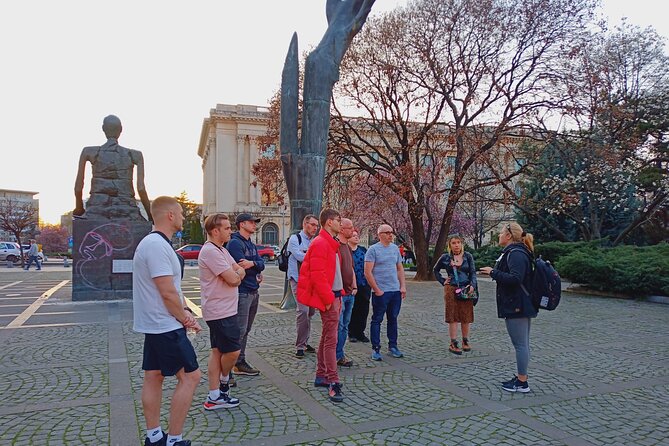
- Mihai’s guided storytelling that ties Roma history to specific Bucharest landmarks and major Romanian figures
- Romanian Athenaeum as the art anchor, with the National Romanian Philharmonic as a key point of context
- Political figures on the route like Iuliu Maniu and Mihail Kogălniceanu, connected to how Roma were discussed in Romanian history
- Cismigiu Park stops built around education and public life, including Gheorghe Lazăr National College
- The Holocaust Memorial focused on the Roma experience in WWII, often described as the Forgotten Holocaust
- Mesteshukar ButiQ ends the tour on craft and culture, with handcrafted items made by Roma artisans
What this Roma myths-and-truths tour is really about
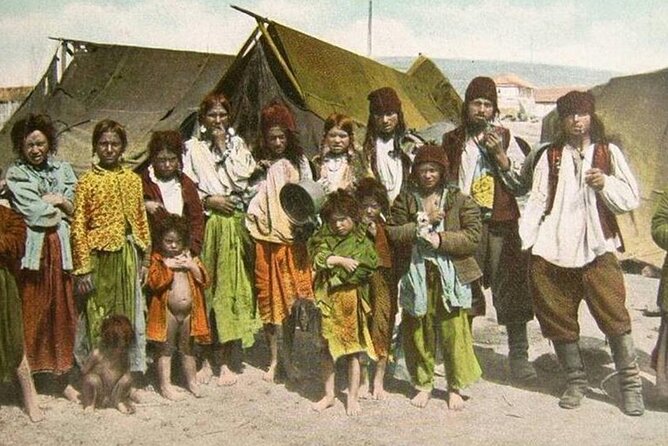
This is not a generic sightseeing walk where you just collect photos. The theme is specific: myths and truths around Roma history and representation, including dark chapters that are too often overlooked.
What works for me is the structure. You keep learning in small steps, tied to real addresses, real buildings, and real public spaces you can revisit later on your own. That makes the story feel less like a lecture and more like a map you can follow.
You will also appreciate the balance. The route doesn’t only focus on harm and persecution. It also points at politics, education, and cultural life, ending with Roma-made crafts rather than leaving you with only heavy history.
Price and what you actually get for $127.37
At about $127.37 per person for roughly three hours, this sits in the middle of the walking-tour range for central Bucharest. The value comes from how much is packed into a short time, and from what’s included.
You get a professional English-speaking guide, a cake snack, and free admission at the key stops. That matters because landmark tickets and museum-style entrances can add up fast when you tour independently. The tour also caps the group at 15 people, which helps keep the pace conversational.
The big practical tradeoff is that you are paying for interpretation, not for a lot of museum time. If you prefer long indoor visits, plan to do extra self-guided stops after you finish. If you want clarity and context with minimal friction, this pricing makes sense.
A short list of what else is worth booking.
- Bucharest: Dracula’s Castle, Peles Castle, & Brasov Old Town★ 4.5 · 17,858 reviews
- Bucharest: Dracula Castle, Peles Castle & Brasov Old Town★ 4.6 · 10,891 reviews
- Bucharest: Dracula’s Castle, Peleș Castle & Brașov Day Trip★ 4.4 · 6,100 reviews
Starting at Teatrul Ion Creangă, then moving fast through the center
The tour begins at Teatrul Ion Creangă, in Sala Mare, at Strada Piața Amzei 13. If you like starting near major landmarks with easy transit options, this location is convenient.
You start at 10:00 am, which is a good time for comfortable walking in Bucharest. From there, the remaining time is used for walking between stops, so you get a steady rhythm instead of long idle gaps.
Because the route ends at a shop, you should treat the whole experience like a “cultural route plus learning” outing, not just a historical lecture. Wear comfortable shoes, since you are moving across central streets for the full three hours.
Stop 1: The Romanian Athenaeum, art as a way into the story
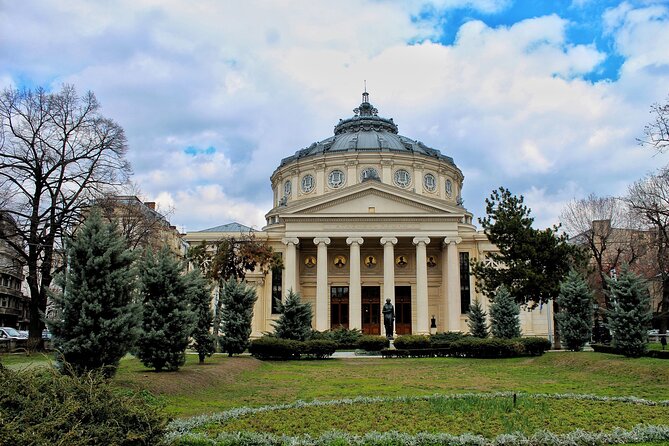
The first stop is the Romanian Athenaeum, described as Romania’s House of Art. Even if you only see it briefly, it signals the tour’s approach: connect theme to place.
This building is also home to the National Romanian Philharmonic, which helps you understand how Bucharest built its identity around arts and public culture. In a tour about myths, that setting matters. It reminds you that identity is not only something people argue about, it is something nations stage and build in public.
Time is short here, about 20 minutes, and admission is free. That’s ideal if you want the highlight moment without turning the morning into a long indoor detour.
Stop 2: Iuliu Maniu statue, where politics meets the Roma story
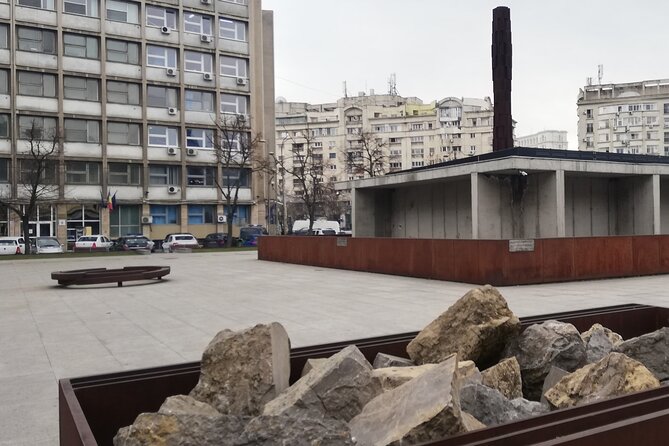
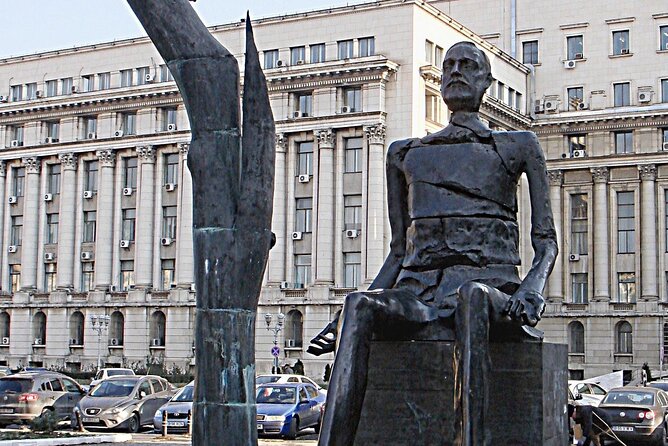
Next you meet Iuliu Maniu, an important historical figure in Romania’s political life. The tour frames him not only as a key name in modern Romania, but also as connected to the story of Roma.
This is one of the smarter elements of the route. Myths often survive when people talk about communities like abstract ideas. Bringing in a named political figure pulls the topic back into real governance, real decisions, and real public life.
You get another 20 minutes here, again with free admission. Expect a quick orientation, a context summary, and a sense of how the tour’s theme connects political narratives to real people.
Stop 3: Palatul Stirbei, a quick 19th century power look
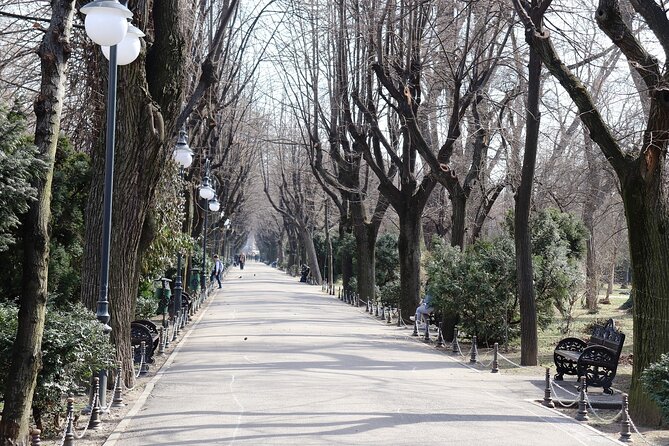
At Palatul Stirbei, you get a short look into the 19th century through the house of Barbu Stirbey, a ruler of Valachia. Even in a brief stop, it helps you place Roma history within the broader social structure of the time.
This kind of “period lens” is useful. You start to see that the story you are hearing is not floating in a vacuum. It sits inside changing systems of authority, wealth, and influence.
Plan on about 20 minutes for this stop. It’s not a long deep-history visit, but it gives you enough context to connect the dots during the later memorial stop.
These pair well with the day you just read about.
- Bucharest: Palace of Parliament Tickets and Guide
★ 4.3 · 3,182 reviews - Bucharest: Day Trip to Dracula Castle, Peles Castle & Brașov
★ 4.4 · 3,049 reviews - Bucharest to Dracula Castle, Peles Castle and Brasov Guided Tour
★ 4.5 · 2,933 reviews - Bucharest: Palace of Parliament Tickets and Guided Tour
★ 4.4 · 1,877 reviews - Dracula’s Castle, Peles Castle and Brasov Day Trip from Bucharest
★ 4.5 · 1,804 reviews
Stop 4: Cismigiu Parc walk, where education and memory share the same streets
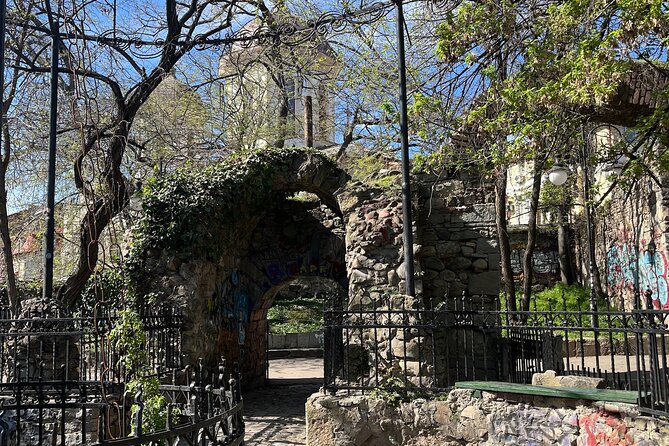
Cismigiu Park is where the tour shifts to a slower, more human pace. You get around 30 minutes walking through what’s described as the largest and most beautiful garden in the city.
Along the way, you pass several learning points tied to the bigger story. The route notes stops like a famous high school, ruins of an old monastery, and viewpoints over the park. Even if you only catch pieces quickly, the setting helps you breathe between the heavier themes.
This is also where you see that the tour’s topic is about more than tragedy. Parks, schools, and old ruins are part of how communities live, remember, and keep going.
Stop 5: Gheorghe Lazăr National College, why education keeps showing up
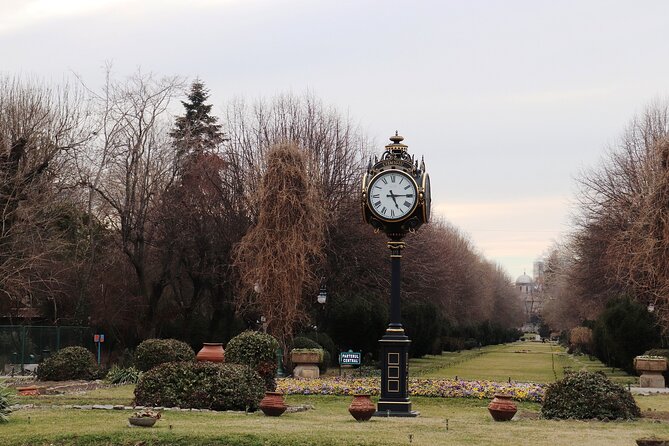
At the entrance to Cismigiu Park, you reach Gheorghe Lazăr National College. The tour highlights it as the best quoted high school in the city, which gives you a reason to pay attention even if you are just passing by.
This stop is a reminder that schooling is not a side note in identity stories. Education can affect opportunity, representation, and how future generations learn about the past.
You get about 15 minutes here. It’s short, but it lands the theme clearly: education is one of the levers behind modern Romania, and the tour uses that idea to frame how Roma were discussed within that development.
Stop 6: The Holocaust Memorial and the Roma experience in WWII
Now the route turns serious. The Holocaust Memorial is described as the most impressive monument built in memory of Holocaust victims in Romania, and it specifically addresses the rough story of Roma during WWII.
It also mentions a term often used as the Forgotten Holocaust. That phrasing matters, because it points to how easily certain victims and stories get sidelined in public memory.
You get around 15 minutes here. That time is enough for a focused explanation without lingering so long that the meaning turns abstract. If you are the type who absorbs best through visuals and a brief guide-led framework, this stop hits the right length.
If you are sensitive to heavy topics, mentally pace yourself for this portion of the walk. It is the emotional center of the tour.
Stop 7: Piața Mihail Kogălniceanu, a writer linked to how Roma were first discussed
At Piața Mihail Kogălniceanu, you meet Kogălniceanu, described as a famous politician and writer. The tour also says he was the first one to write about Romanian Gypsies.
This stop is valuable because it moves the conversation from policy and monuments to language and early writing. Myths often harden through what influential people wrote down. So seeing the name of a writer attached to the topic gives you a concrete starting point.
Time here is about 10 minutes, with free admission. Expect this to feel like a quick “anchor point” that you connect back to later ideas in the tour.
Stop 8: Mesteshukar ButiQ (MBQ), ending with Roma crafts you can support
The tour finishes at Mesteshukar ButiQ (MBQ) on Bulevardul Mihail Kogălniceanu 12. The experience ends inside a small shop with authentic pieces hand-crafted by Roma artisans.
This is one of the most praised parts of the tour, and I get why. It changes the emotional direction. Instead of treating Roma culture as only something from history books, you meet it as living work and living skill.
It’s also practical. If you want a meaningful souvenir, this is where you can buy something tied to the people you just learned about. Spend a few extra minutes browsing, and ask questions calmly if the staff are able to engage. A respectful approach goes a long way.
The shop stop runs about 20 minutes with a free visit. Since the rest of the route is concentrated, using the final moments for browsing feels like a good payoff.
The guide and pacing, what makes this feel worth it
Even without changing the route, a good guide can make the difference between a tour that feels like facts and a tour that feels like understanding. Here, the standout theme is strong knowledge and clear explanation, with Mihai’s approach singled out in feedback.
The route also “rhymes” across stops. Art at the Romanian Athenaeum sets the tone. Politics at the Iuliu Maniu and Kogălniceanu stops shows power and language. The historic palace adds period structure. The park and schools show daily-life institutions. Then the Holocaust Memorial lands the moral weight, and the shop gives you a human ending.
You should feel the tour moving quickly, not rushed for the sake of speed. One practical detail helps: each major stop is short, and the remaining time is used for walking between sites. That keeps the session flowing and prevents the awkward lull where everyone waits.
Group size is capped at 15, which usually means you can hear well and you are not constantly bumped out of view during stops.
What to do if you want to get more out of the tour
If you like follow-up reading, jot down the three names you hear most often: Iuliu Maniu, Barbu Stirbey, and Mihail Kogălniceanu. The tour uses these figures to connect themes, and those names give you anchors for deeper research later.
Also, since you end at Mesteshukar ButiQ, consider having some budget reserved for a craft purchase. You are not forced to buy, but if you want a souvenir that supports the artists you learned about, this is the natural moment.
Finally, plan a little extra time in Cismigiu Park after the tour if you enjoy walking and photography. The route gives you context, but you may want to linger in a calm loop on your own.
Who should book this tour, and who might prefer something else
This is a great match if you want a focused, theme-driven walk in central Bucharest with an English guide. It suits you if you care about how myths form, how public memory works, and how Roma history connects to Romanian political life and WWII remembrance.
It’s also a good option if you want a compact outing. You get several major landmarks, plus the shop ending, in about three hours.
You might consider a different type of tour if you strongly prefer long museum time, or if you want a purely indoor format. This one is built around walking and short stops, with the park and memorial providing most of the emotional pacing.
Should you book this Bucharest Roma myths-and-truths tour?
I’d book it if you want clarity and context without spending half a day in transit or hunting for information yourself. The combination of landmark stops, the Holocaust Memorial focus, and the ending at Mesteshukar ButiQ gives you a complete emotional arc, from learning to remembrance to living culture.
If you are on the fence, ask yourself what you want most right now. If your goal is a guided route that turns confusing stories into understandable connections, this fits well. If you want only light culture sightseeing, you may find the WWII material heavy, even though the time is limited.
For most visitors, though, the structure is exactly what makes it feel like value: the tour packs meaning into a short walk, and it helps you see Bucharest in a more informed way.
FAQ
How long is the tour?
It runs for about 3 hours.
What is the meeting point and where does the tour end?
It starts at Teatrul Ion Creangă, Sala Mare, Strada Piața Amzei 13, Bucharest, and ends at Mesteshukar ButiQ (MBQ), Bulevardul Mihail Kogălniceanu 12, Bucharest.
Is the tour offered in English?
Yes, it is offered in English.
How much does it cost?
The price listed is $127.37 per person.
What is included in the price?
The tour includes a professional English-speaking guide and a cake snack.
Are admission tickets included for the stops?
Admission is noted as free at each stop listed in the route.
What should I expect in terms of walking?
You should expect to walk between stops for the remaining time, and the tour is suitable for moderate physical fitness.
Is coffee or tea included?
Coffee and/or tea are not included, though there is a short stop on the way.
Can I get a refund if I cancel?
Yes, free cancellation is available, and you can cancel up to 24 hours in advance for a full refund.
Just Added: New Tours From Bucharest
- Bear Watching in Transylvania 2-Day Tour
- National Village Museum and Comana Adventure Park
- Half Day Tour in Bucharest
- From Dracula to Ceaușescu- Romanian Terror Stories tour
- Full-Day Private Tour of Brasov City and Peles Castle from Bucharest
- Bucharest: Tour The Wine Road, 2 Boutique Wineries in 1 Day
- Bucharest Ceaușescu House Parliament Palace &Village Museum
- Full-Day Private Tour of Bucharest and Mogosoaia Palace