Reviewed · TOURS
9 days Balkans Tour from Bucharest to Sofia and Budapest
Your map gets a workout in 9 days. This one-way Balkans tour ties together big UNESCO names and under-the-radar old towns, with 4-star hotels and breakfast, plus a professional tour leader. I like the way the route is built for efficiency, no backtracking, so you spend more time sightseeing and less time on the road.
Still, one possible drawback is the tradeoff you make with any fast route like this: you are moving day to day. And if you are picky about comfort, take the vehicle feedback seriously, since one past note called out an uncomfortable, small van setup and late starts.
In This Review
- Key things to know before you go
- A one-way Balkans route that saves time (and energy)
- Value check: what your tour price actually buys
- Walking stamina: “easy” tours still mean real steps
- Day 1 to 3: Bucharest start, Lovech caves and waterfalls, then Sofia and Rila
- Day 1: Devetashka Cave, Krushunskiye Waterfalls, overnight in Lovech
- Day 2: Lovech Covered Bridge, then Sofia’s domes and mosques
- Day 3: Rila Monastery, then Skopje orientation
- Day 4 to 6: Skopje and Ohrid, then Tirana and Kotor old walls
- Day 4: Skopje walking tour, then Ohrid on a lake that feels ancient
- Day 5: Tirana city center with Skanderbeg’s shadow
- Day 6: Kotor’s Stari Grad old town
- Day 7 to 9: Mostar and Sarajevo stories, then Belgrade and Budapest on the Danube
- Day 7: Mostar’s Old Bridge story, then Sarajevo in one scenic transfer
- Day 8: Belgrade highlights, from forts to Skadarlija
- Day 9: Novi Sad stop, then Budapest arrival
- The practical snag: comfort, timing, and hotel quality can vary
- Food, admissions, and tipping: budget without surprises
- Who this tour suits best (and who should think twice)
- Should you book this Balkans circuit?
- FAQ
- How long is the tour?
- Where does the tour start and end?
- Are hotels included?
- Is breakfast included?
- How do you travel between cities?
- Are entrance fees included?
- Is food included besides breakfast?
- Do I need a passport?
- Is there a walking requirement?
- How many travelers are in the group?
Key things to know before you go
- Air-conditioned vehicle for the entire tour means less misery between stops.
- 8 nights in 4-star hotels with breakfast cuts your planning work on lodging and mornings.
- Walking tours up to about 4 km, sometimes 7 km means you need steady shoes and a realistic pace.
- Most major sights are guided on foot, including cathedrals, bazaars, fortresses, and old-town promenades.
- Several key monuments are listed as free admissions, but not everything is, so budget carefully.
- Max group size of 46 keeps the experience social, but not cramped.
A one-way Balkans route that saves time (and energy)
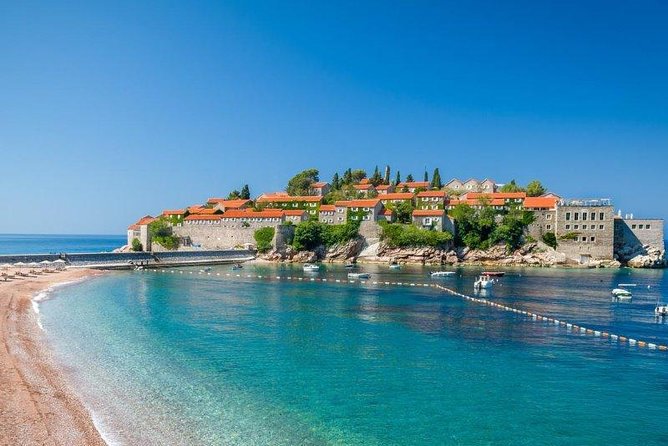
The biggest practical win here is the one-way flow. You start in Bucharest and keep moving toward Budapest without doubling back, which matters in the Balkans where roads can eat up time. The itinerary also mixes longer drives with structured walking blocks, so you are not stuck with every day being all car time.
You will also feel the benefit of a dedicated climate-controlled coach for the tour transfer. That is not glamorous, but it is smart. After a few hours in transit, you’ll be grateful you are not baking in a hot vehicle.
Value check: what your tour price actually buys
At about $1,191.42 per person, you are paying for more than a list of stops. You get 8 nights in 4-star hotels, with breakfast included for 8 mornings, plus transport by air-conditioned vehicle for the whole tour and a professional tour leader.
It is also priced like a guided trip, not a DIY scramble. You are shown the places that can be hard to organize on your own, such as getting the story behind Sarajevo’s Latin Bridge connection to World War I and pairing the “where” with the “why” in each town.
One more value point: the itinerary calls out a maximum of 46 travelers, which usually helps a guide keep things moving without losing the human touch.
A short list of what else is worth booking.
- Bucharest: Dracula’s Castle, Peles Castle, & Brasov Old Town★ 4.5 · 17,858 reviews
- Bucharest: Dracula Castle, Peles Castle & Brasov Old Town★ 4.6 · 10,891 reviews
- Bucharest: Dracula’s Castle, Peleș Castle & Brașov Day Trip★ 4.4 · 6,100 reviews
Walking stamina: “easy” tours still mean real steps
This is described as an easy walking pace with a moderate physical fitness level. That is good news, but don’t confuse “easy” with “sit down all day.”
Here is what you should plan for:
- You may carry your own bag on some steps when entering hotels, though many places have elevators.
- Walking tours range roughly from 1 to 4 hours, and the guide notes distances like 4 km in Sofia and about 3 km in Skopje.
If you are comfortable walking several kilometers and staying upright during a paced city tour, you’ll be fine. If you hate walking on uneven old-stone streets, you’ll want to pack for it, not fight it.
Day 1 to 3: Bucharest start, Lovech caves and waterfalls, then Sofia and Rila
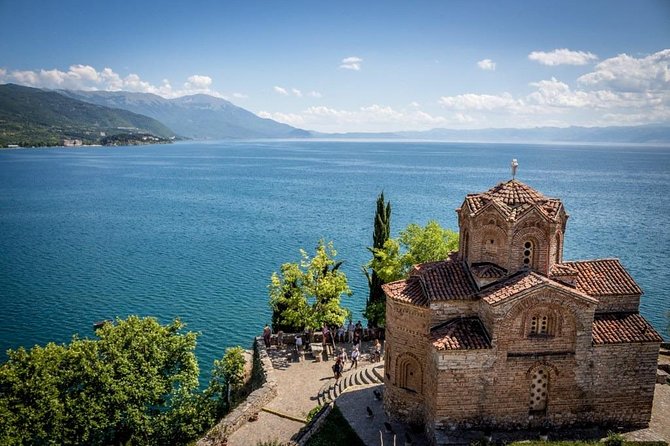
This early part sets the tone: you are in Romania for one day, then jump into Bulgaria with a mix of natural and religious highlights.
Day 1: Devetashka Cave, Krushunskiye Waterfalls, overnight in Lovech
You start with an early morning departure from central Bucharest. The first stop is Devetashka Cave, a karst cave that feels surprisingly green and well-lit. The “underground” feeling can be muted here because the floor is covered by lush greenery, especially in warmer seasons.
Next comes Krushunskiye Waterfalls, described as the biggest travertine cascade in Bulgaria. What you’re looking at is not just one fall, but a series of terraces and small natural pools, with the main drop around 20 meters. It is a classic “nature wow” stop, and the setting is the whole point.
Practical note: both Devetashka Cave and Krushunskiye Waterfalls list admission as not included. So while many later sights are free, you should expect to pay here.
You finish the day in Lovech, staying overnight in a 4-star hotel.
Day 2: Lovech Covered Bridge, then Sofia’s domes and mosques
Day two starts with a quick Lovech visit, focused on the Covered Bridge over the Osam River. That bridge unites parts of the town and is a standout piece of construction, so it’s a great early-day win.
Then you reach Sofia in the evening and do a guided walking tour of the city center. The highlight list reads like a greatest-hits collage: the gold-domed Alexander Nevsky Cathedral, Sveta Sofia Church, Banya Bashi Mosque, the Sofia Synagogue, and the main shopping street Vitosha.
What I like about this Sofia approach is the variety. You’re not only looking at monuments, you’re seeing layers of religion and community in the same walking loop.
These pair well with the day you just read about.
- Bucharest: Palace of Parliament Tickets and Guide
★ 4.3 · 3,182 reviews - Bucharest: Day Trip to Dracula Castle, Peles Castle & Brașov
★ 4.4 · 3,049 reviews - Bucharest to Dracula Castle, Peles Castle and Brasov Guided Tour
★ 4.5 · 2,933 reviews - Bucharest: Palace of Parliament Tickets and Guided Tour
★ 4.4 · 1,877 reviews - Dracula’s Castle, Peles Castle and Brasov Day Trip from Bucharest
★ 4.5 · 1,804 reviews
Day 3: Rila Monastery, then Skopje orientation
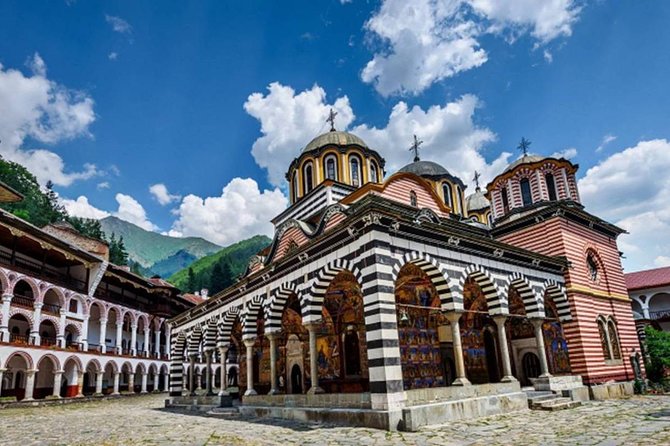
After breakfast, you head to Rila Monastery, one of Bulgaria’s most famous sites and a UNESCO World Heritage Site. The monastery traces back to the 10th century, founded by Saint Ivan Rilsky. What you’re visiting includes the Church, and the tour specifically notes artwork traditions from 19th-century schools connected to Samokov, Bansko, and Debar.
Then in the early evening you arrive in Skopje, with an orientation tour before checking into your centrally located hotel.
Rila Monastery is listed as free admission on the itinerary, but you still want to bring a little extra cash for snacks and water between stops.
Day 4 to 6: Skopje and Ohrid, then Tirana and Kotor old walls
This chunk is where the tour starts stacking UNESCO sites and cinematic old towns.
Day 4: Skopje walking tour, then Ohrid on a lake that feels ancient
Skopje starts with a proper walking loop. You’ll get stops tied to big themes: the Vardar river quay, narrow streets of the Old Bazaar (called the biggest bazaar preserved in the Balkans today), the Mother Teresa memorial house, Kale fortress (listed as 1500 years old), and Macedonia Square with a statue of Alexander the Great on horseback.
Then you continue to Ohrid, another UNESCO World Heritage Site, on the border of Macedonia and Albania. Ohrid is all about the old city and the lake setting. The itinerary points out that Lake Ohrid is Europe’s oldest lake, formed over three million years ago, which gives you a sense of scale beyond just pretty views.
Your guided old-town walk includes Ancient Theater, older churches and monasteries, Sveti Sofia Church, Tsar Samuil’s Fortress, and a pedestrian shopping street. This is a great day for anyone who likes walking through places that feel layered, not brand-new.
Day 5: Tirana city center with Skanderbeg’s shadow
Next up is Tirana, capital of Albania, reached by crossing the border. The city tour focuses on major landmarks: Skanderbeg Square, the National History Museum, Et’hem Bey Mosque, and the Skanderbeg statue.
The practical value here is you get a guided first contact with Tirana, which helps you later if you decide to explore further on your own.
Day 6: Kotor’s Stari Grad old town
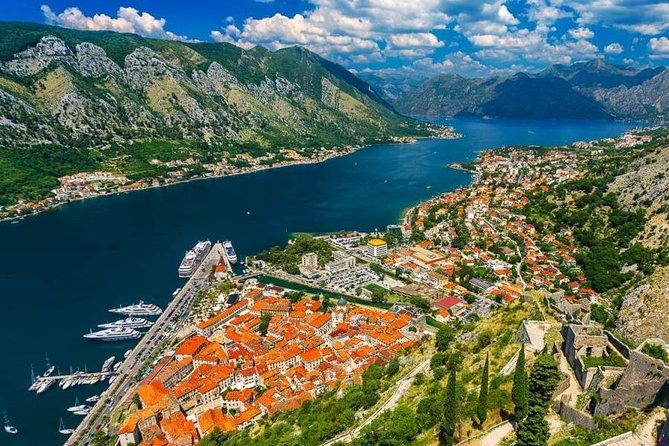
In the evening you arrive in Kotor, and the priority is the fortified old town, Stari Grad, also UNESCO listed.
Even without a long list of named monuments, Kotor’s appeal is the structure: stone streets and fortifications that feel like you are walking inside a defended place. It’s also the kind of evening visit that turns into a photo marathon if you enjoy walking late with the lights on.
Day 7 to 9: Mostar and Sarajevo stories, then Belgrade and Budapest on the Danube
This final stretch is drama plus city swagger, then a Danube finish.
Day 7: Mostar’s Old Bridge story, then Sarajevo in one scenic transfer
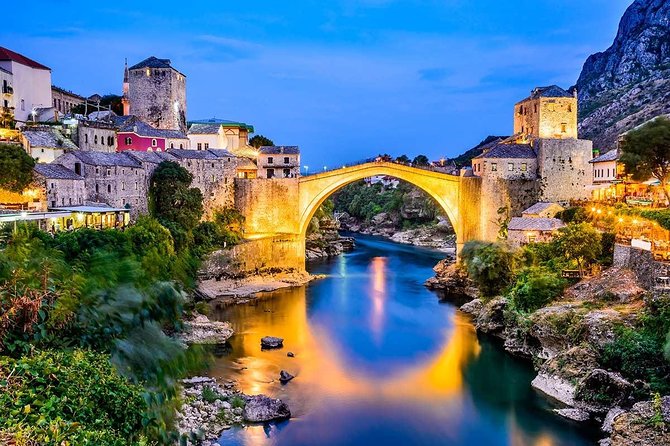
After breakfast, you head to Mostar. The center of attention is the Old Bridge of Mostar, built in 1566, which became central to the city’s development. The tour also covers what happened in November 1993, when the bridge was destroyed during the Siege of Mostar.
The guide also explains the tradition that grew from this, bridge diving, where young Mostar divers jump into the water in front of tourists. It can feel strange to watch, but it also shows how a place heals by turning survival into culture.
Your day continues to Sarajevo via a scenic road passing by Jablanica Lake and through the Neretva river canyon.
Sarajevo’s walking tour covers Ottoman and Austria-Hungarian parts of the city, with markets, bazaars, mosques, churches, and synagogues. The itinerary also calls out Latin Bridge, connected to how World War I was triggered, plus Sarajevo’s 1984 Winter Olympics and life during the siege.
If you like your history tied to street corners, this is a strong day.
Day 8: Belgrade highlights, from forts to Skadarlija
After breakfast, you head to Belgrade, capital of Serbia, and arrive in the afternoon.
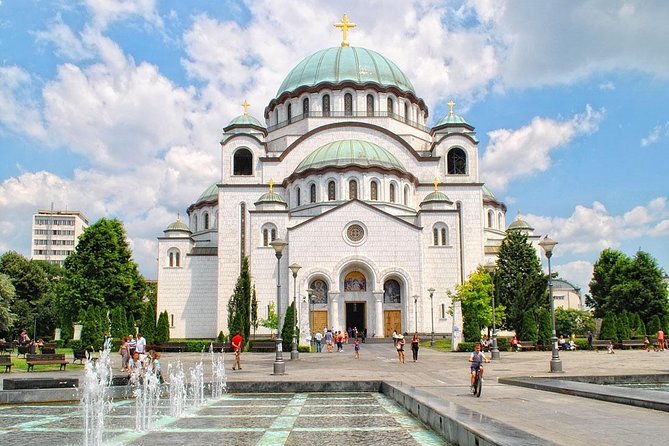
Your guided stop includes Republic Square, the National theater, the National museum, and Skadarlija (Belgrade’s bohemian quarter). You also visit the oldest part of Belgrade with Ottoman heritage, including the note of the only mosque in the city, then continue to Kalemegdan Park, Belgrade fortress, the famous Victor symbol, and the confluence of the Sava and Danube rivers.
This is a “big city in one loop” day. You are shown what Belgrade is like in different modes, from monuments to neighborhoods.
Day 9: Novi Sad stop, then Budapest arrival
On departure day you stop in Novi Sad for about an hour. The guide focuses on Zmaj Jovina Street, the promenade, and the ornamental Palace of the Orthodox Bishop. You’ll also see Danube embankment features and the area outside Petrovaradin Fortress.
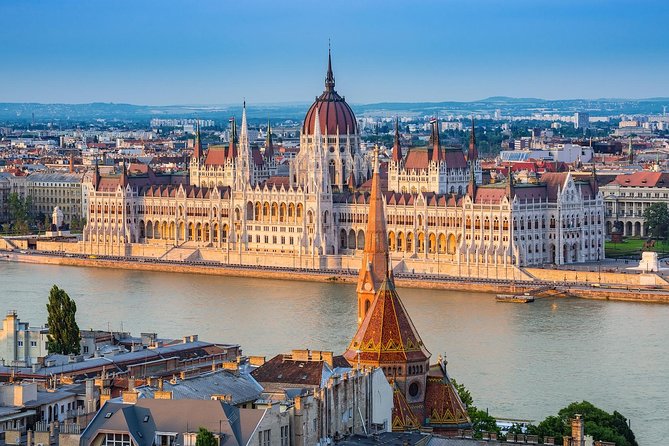
Then you arrive in Budapest in the evening. The tour calls it the Queen of Danube, and you get a walking tour approach to city center orientation.
This final night is usually where fatigue meets excitement. You’ll arrive ready to do your own exploring if you extend your stay.
The practical snag: comfort, timing, and hotel quality can vary
One reason this tour earns mixed signals is that comfort and start times can make or break a fast itinerary.
In one detailed complaint I took seriously, the vehicle was described as a small van with uncomfortable seating, no captain chairs, and even mention of a broken front windshield. That is the kind of red-flag issue you should care about, because it affects safety feelings and fatigue.
Another note flagged that the tour started very late each day, cutting sightseeing time. When an itinerary is tight, lost hours matter.
I cannot guarantee what your exact experience will be. But I recommend you do two things before booking (or at least before your day one):
- Confirm the pickup location and start time in your booking details, since the information provided includes early departure references.
- Ask the tour operator what vehicle type you will use for your group size. If they can reassure you about seating comfort, you’ll feel better.
Hotels are included as 4-star, but one past write-up called the hotels not good. Again, that may not represent your room, yet it is a reminder to pack realistic expectations and rely on breakfast and location over luxury branding.
Food, admissions, and tipping: budget without surprises
Your breakfasts are included, and that is a big help on a multi-country schedule. Food and drinks beyond breakfast are not included unless specified.
Admissions work like this in the itinerary:
- Devetashka Cave and Krushunskiye Waterfalls list admission tickets as not included.
- Many city walking tours are listed as admission free.
- Entrance fees at museums are generally not included.
On top of that, there is a clear tipping guideline: 5 euro per day per person for the driver and tour guide. If you like having clean math, set that aside early.
Who this tour suits best (and who should think twice)
You will likely love this tour if you:
- Want a guided, structured way to see multiple Balkan capitals and old towns without coordinating trains or buses.
- Enjoy walking tours and can handle several hours of strolling on uneven streets.
- Prefer a history and culture story that connects monuments to events, especially in Sarajevo and Skopje.
You might want to think twice if:
- You are extremely sensitive to vehicle comfort or you hate long driving stretches.
- You get annoyed when days start later, since your time on the ground depends on schedule discipline.
- You expect lots of free time with no group rhythm. This itinerary is built to be efficient.
Should you book this Balkans circuit?
My take: this is a strong value choice if you want a one-way guided route that hits major names like Rila Monastery, Ohrid, and Kotor, plus city storytelling in Sofia, Skopje, Tirana, Mostar, Sarajevo, Belgrade, and Budapest.
Book it if you like the idea of stacking sights while still getting daily breakfasts, 4-star hotel stays, and a guide who ties each place together. Skip it or upgrade your expectations if you know you need maximum vehicle comfort and early start times to enjoy travel.
If you do book, I suggest you travel with sturdy walking shoes, a small daypack, and a little buffer money for the two “not included” nature-ticket stops. Then you’ll spend your energy on the fun part, not the logistics.
FAQ
How long is the tour?
The tour is approximately 9 days, covering Bucharest through to Budapest.
Where does the tour start and end?
It starts in Bucharest at Bulevardul Regina Elisabeta 7, 030167, Romania, and it ends in Budapest at Kerepesi út 2, 1087 Hungary.
Are hotels included?
Yes. You get 8 nights of accommodation in 4-star hotels.
Is breakfast included?
Yes. Breakfast is included for 8 mornings.
How do you travel between cities?
You travel by air-conditioned vehicle for the entire tour.
Are entrance fees included?
Not always. Entrance tickets are listed as not included for Devetashka Cave and Krushunskiye Waterfalls, and museum entrance fees are generally not included.
Is food included besides breakfast?
Food and drinks are not included unless specified.
Do I need a passport?
Yes. A current valid passport is required on the day of travel.
Is there a walking requirement?
Yes. The walking is described as easy with moderate physical fitness. Expect walking tours typically lasting 2 to 4/5 hours depending on the sites, with some uneven steps at hotels.
How many travelers are in the group?
The group size maximum is listed as 46 travelers.
Just Added: New Tours From Bucharest
- Bear Watching in Transylvania 2-Day Tour
- National Village Museum and Comana Adventure Park
- Half Day Tour in Bucharest
- From Dracula to Ceaușescu- Romanian Terror Stories tour
- Full-Day Private Tour of Brasov City and Peles Castle from Bucharest
- Bucharest: Tour The Wine Road, 2 Boutique Wineries in 1 Day
- Bucharest Ceaușescu House Parliament Palace &Village Museum
- Full-Day Private Tour of Bucharest and Mogosoaia Palace
Tours, compared.
Bucharest to Dracula Castle, Peles Castle and Brasov Guided Tour
Read our review →
Transylvania and Dracula Castle Full Day Tour from Bucharest
Read our review →
Peles Castle, Bran Castle, & Brasov Old Town Tour
Read our review →