
Reviewed · WALKING TOURS
Bucharest: Hidden Gems 2.5-Hour Walking Tour
Bucharest has quiet stories on your feet. This small-group walking tour is built around neighborhoods and buildings you might pass without context, then connects the dots with local explanations. I especially love the Batistei church stop and the one included covrig snack, both of which make Romanian history feel close and practical.
The main thing to consider is pacing and expectations. It is a 3-hour walk, and the tour includes only one traditional snack, so if you’re hungry for a full meal you’ll still want to plan for extra food on your own.
In This Review
- Key Points You’ll Care About
- Getting Oriented at the National Theater Stairs
- Why Batistei’s Church Stories Matter (More Than Pretty Facades)
- Armenian Bucharest and the Ecmiazin Replica Church
- Casa Melik, the Wallachian House, and the Tunnel Legend
- Covrig Stop, Romanian Street Food With a Backstory
- Mantuleasa Street and Mircea Eliade’s Personal Connection
- Ioanid Block and Icoanei Mahalla, a Photogenic Finale
- Price and Value for a 3-Hour Small-Group Walk
- Who This Tour Fits Best (And Who Should Skip It)
- Should You Book This Bucharest Walking Tour?
- FAQ
- How long is the Bucharest walking tour?
- Where do I meet the tour guide?
- Is food included in the price?
- How big is the group?
- What language is the tour in?
- Is this tour child-friendly?
- What should I bring?
- Is free cancellation and pay later available?
Key Points You’ll Care About
- Batistei neighborhood focus with an 18th-century stone church tied to major shifts in Bucharest’s life
- Armenian Orthodox church visit from the early 1900s, including the story of its cathedral replica in Ecmiazin
- Casa Melik stop featuring a traditional Wallachian peasant house and its art collection, plus local tunnel legends
- One included Romanian street snack where covrig’s origin story is part of the lesson, not just the food
- Mantuleasa Street and Mircea Eliade via architecture styles and the writer’s personal connection to the area
- Ioanid block and Icoanei mahalla finale for a photogenic ending and easy ideas for where to go next
Getting Oriented at the National Theater Stairs
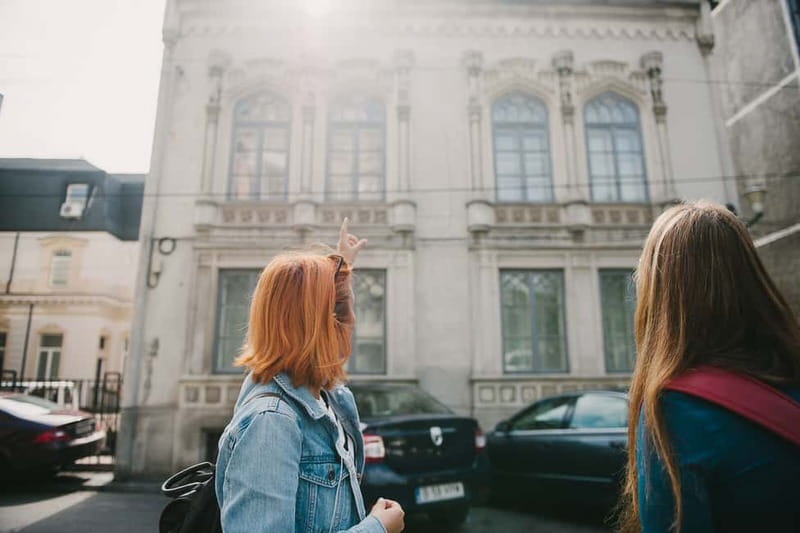
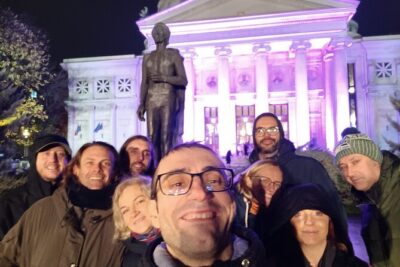
I like tours that start in a clear place, and this one does. You meet on the stairs of the National Theater, in front of the main entrance. If you’re arriving on foot, you can use that as your “fixed point” for getting your bearings fast, which matters in a city where streets can shift names and viewpoints depending on where you turn.
The group is small, up to 12 people, which usually means you spend more time looking at what matters and less time waiting. Expect a gentle stroll early on, and then a steady walking rhythm through multiple neighborhoods. That pace is ideal if you want architecture, small-scale street scenes, and stories without the pressure of a fast, workout-style itinerary.
One practical note for comfort: the tour is listed for summer sun intensity. Wear sunscreen, bring something to cover your head, and choose shoes that can handle uneven sidewalks and quick turns.
Why Batistei’s Church Stories Matter (More Than Pretty Facades)
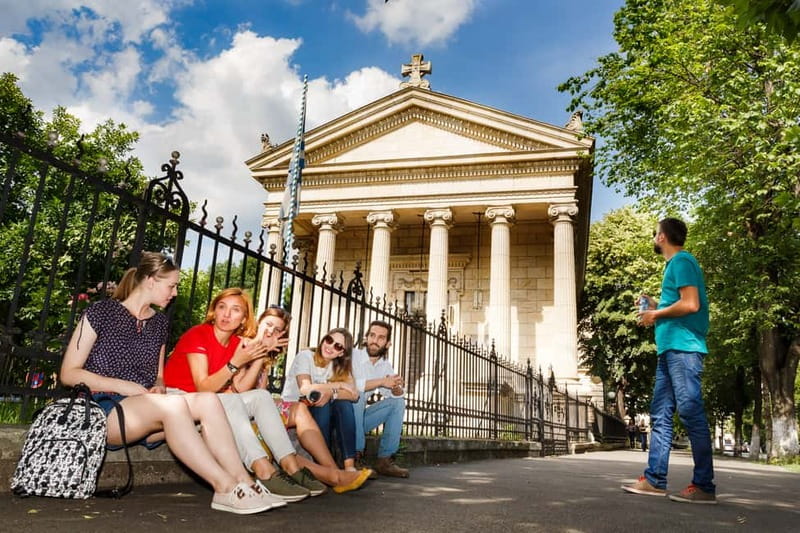
Batistei is one of Bucharest’s well-known mahalas, which are neighborhood units that grew around religious buildings. That “around a church” idea is the backbone of how Bucharest expanded, and it helps you understand why the city looks the way it does today. In the tour framing, you’ll learn how these areas were shaped by waves of modernization, earthquakes, wars, and later by Nicolae Ceaușescu’s demolition projects.
The first big stop is an 18th-century stone church in Batistei, listed as a historic monument by Romania’s Ministry of Culture and Religious Affairs. This is the kind of visit that pays off when you’re there in person, because you can actually connect the physical space to what people lived through. You’ll hear what it was like to live in this neighborhood before the communist regime took over, and you’ll get a sense of how tightly daily life can be linked to religious and community spaces.
What I think you’ll enjoy most is that this isn’t delivered as trivia. It is tied to the neighborhood shape and the idea of mahalas. Once you understand that, the next streets feel less random, and you start noticing details on your own.
Other day trips from Bucharest
- Bucharest: City Highlights Guided Walking Tour★ 4.9 · 1,482 reviews
- Bucharest: Communism and History Guided City Walking Tour★ 4.9 · 918 reviews
- Bucharest Highlights Walking Tour★ 5.0 · 469 reviews
Armenian Bucharest and the Ecmiazin Replica Church
After Batistei, the tour heads toward the Armenian neighborhood to visit an Orthodox church built in the early 1900s. The story here is directly tied to the once-burgeoning Armenian population that lived in Bucharest, even though that community has been shrinking over time.
You’ll hear a specific architectural note that makes this stop memorable: the church is described as an exact replica of a cathedral in the Armenian city of Ecmiazin. That kind of detail gives you something concrete to look for while you’re standing there, rather than only listening to general history. It’s also a reminder that Bucharest has been shaped by more than one cultural stream.
One of the best parts of this kind of visit is that it tends to feel calmer than the biggest central attractions. You still get a major “why this matters” story, but you’re not just chasing landmarks by name. You’re learning how a community expressed itself through building, and how a city absorbs those footprints.
Casa Melik, the Wallachian House, and the Tunnel Legend
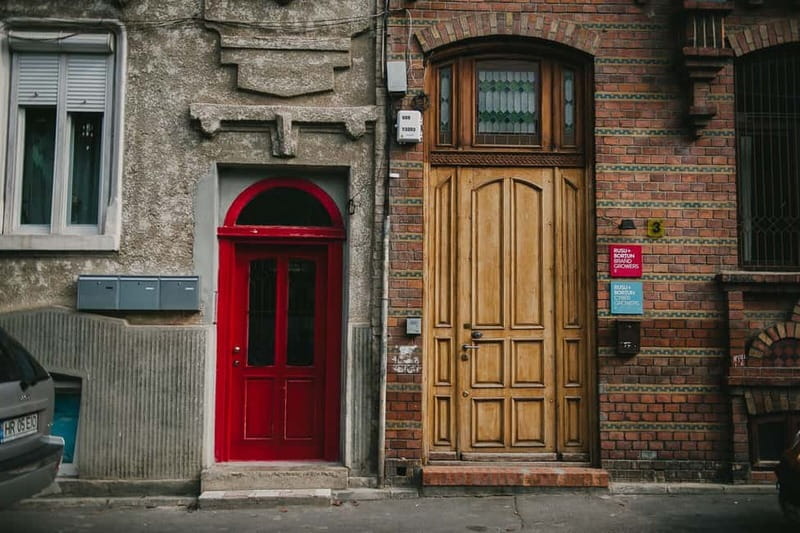
Casa Melik is where the tour turns from churches and streets into a more intimate look at everyday living. You’ll visit the city’s oldest home, described as a traditional Wallachian peasant house. Two features stand out in the description: a high cellar and a glass-covered veranda. Those aren’t just decorative details. They hint at how the house was made to function and adapt to local life.
Casa Melik is also connected with secrets, including a “striking art collection.” So you’re not only seeing a preserved structure, you’re also getting a sense that the house has layers beyond the obvious. That makes the stop especially good if you like your history with a bit of mystery.
Then comes the legend: a series of underground tunnels connecting the house with local masonic lodges. Treat this as folklore, but the fun is that the story gives you a reason to keep looking around. Instead of treating the building as a static museum object, you start thinking about hidden routes, networks, and what people feared or protected.
A small caution: legends can be hit-or-miss depending on your taste for spooky tales versus straight facts. If you like atmosphere, you’ll probably enjoy this part. If you want strict chronology only, you may want to ask your guide to keep it factual when the story veers toward legend.
Covrig Stop, Romanian Street Food With a Backstory
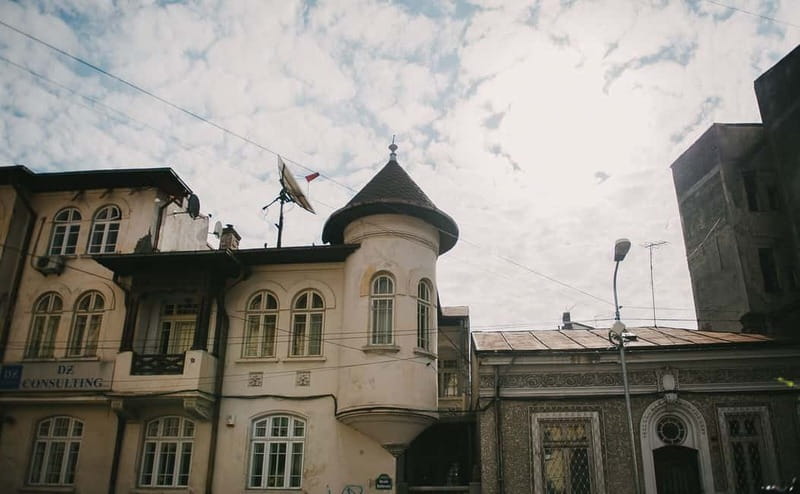
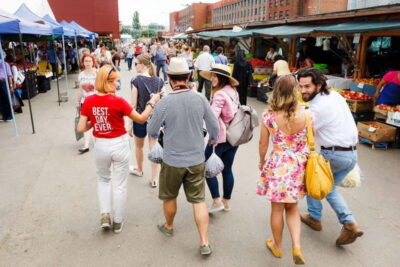
This is the food moment, and I like that it is simple. You get one traditional snack included: covrig. You’ll taste a salty snack similar to a pretzel, and the lesson around it is part of the fun.
There’s an origin theory that Greek merchants introduced covrig in the 19th century to encourage wine consumption. But the snack’s strong similarity to German pretzels suggests Romanians may have been eating versions of it earlier. That gives you a delicious example of how food stories often come with competing explanations, and how “where it came from” can be murkier than we want.
If you only eat what’s in front of you and move on, covrig can feel like a quick snack. But on this tour, it’s used as a cultural thread, linking migration, trade, and the way street foods travel across Europe.
Plan your appetite accordingly. One covrig is a snack, not a full meal. If you’re doing this tour near lunch or dinner time, you’ll probably want to budget extra for later food.
Mantuleasa Street and Mircea Eliade’s Personal Connection
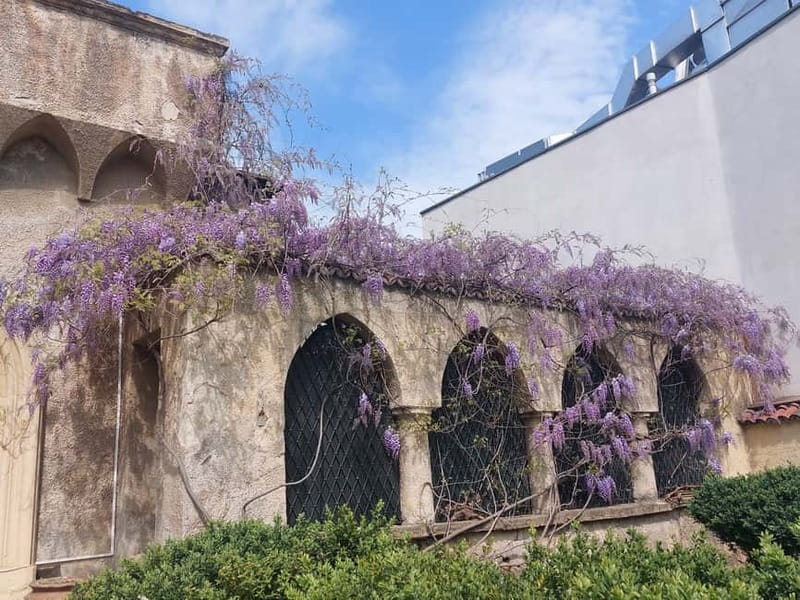
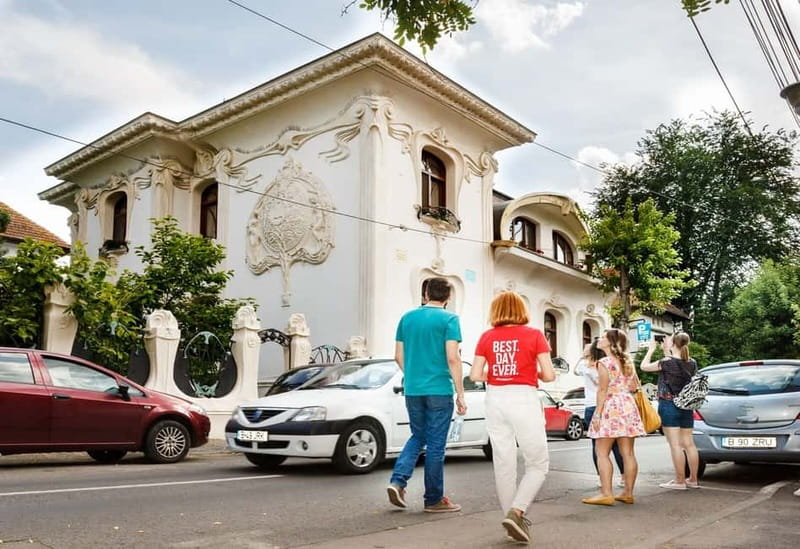
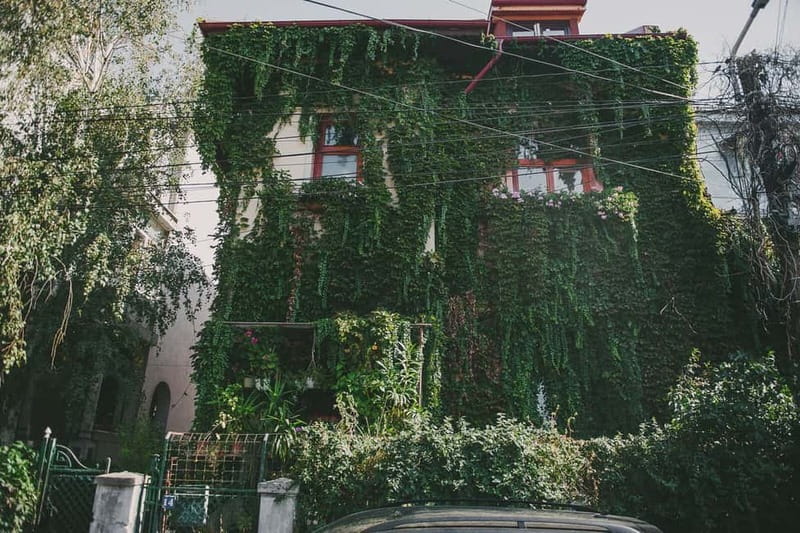
Next up is Mantuleasa Street, described as one of Bucharest’s prettiest streets and originally a mahala for rich merchants. That is a useful detail because it changes what you notice in the architecture. Merchant neighborhoods often mean wealth expressed in building materials, façade design, and street presence.
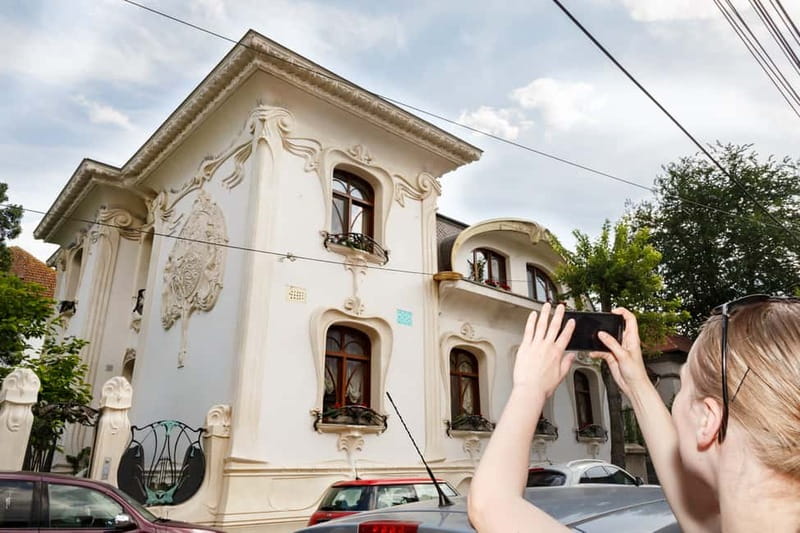
As you walk, you’ll see elegant architecture mixing neoclassical, Romanian, and modernist styles. That combination is part of why Bucharest can feel layered. You’re not looking at one single “era style.” You’re watching the city change its mind over time.
This is also tied to Mircea Eliade, Romania’s revered writer and philosopher. Your guide will connect you to his life and work, including that he was a professor at the University of Chicago until his death in 1986. Then you’ll visit the area where it is said to be his favorite part of the city, so you’re not only learning about him in an abstract way. You’re learning about his specific streets.
Practical tip: if you are the kind of person who likes to get your personal photo framing right, Mantuleasa is one of the best parts of the walk for that. You’ll have facades and street geometry working in your favor, especially if the light is good.
These pair well with the day you just read about.
- Bucharest: Dracula’s Castle, Peles Castle, & Brasov Old Town
★ 4.5 · 17,858 reviews - Bucharest: Dracula Castle, Peles Castle & Brasov Old Town
★ 4.6 · 10,891 reviews - Bucharest: Dracula’s Castle, Peleș Castle & Brașov Day Trip
★ 4.4 · 6,100 reviews - Bucharest: Palace of Parliament Tickets and Guide
★ 4.3 · 3,182 reviews - Bucharest: Day Trip to Dracula Castle, Peles Castle & Brașov
★ 4.4 · 3,049 reviews
Ioanid Block and Icoanei Mahalla, a Photogenic Finale
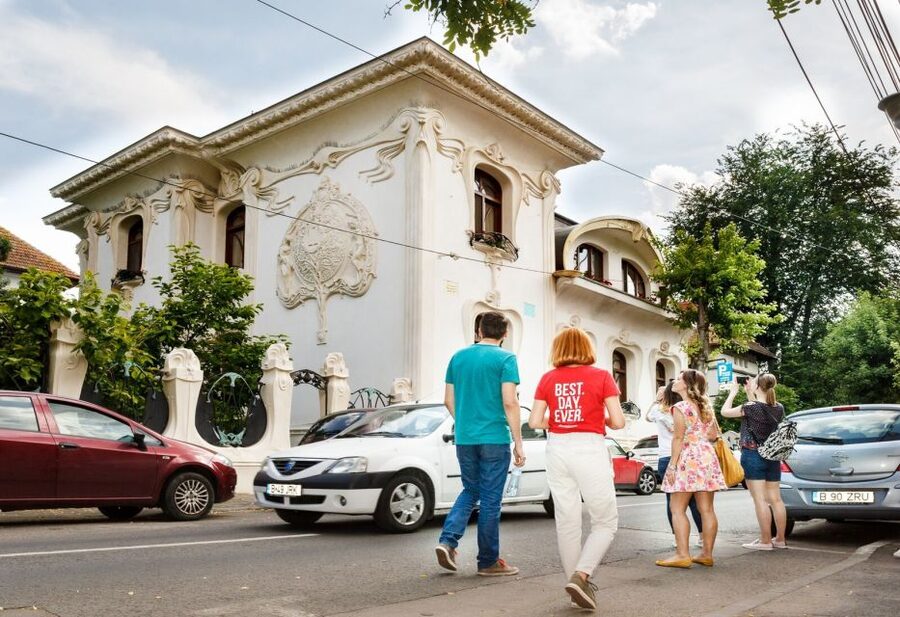
The tour ends with a visit to the Ioanid block and the Icoanei mahala. The phrasing around this stop emphasizes beauty, but the practical value is that it brings your walk to a finishing point where you can keep exploring without needing a map in your hand every five minutes.
By now, you’ve seen the “why” behind mahalas, you’ve connected buildings to communities, and you’ve gotten a taste of how different cultural groups influenced Bucharest. Ending here helps the city feel cohesive instead of like a string of unrelated stops.
Your guide will also point you toward where else to go next in Bucharest and where to find good places to eat and drink. I love when a walking tour ends with real advice, because it saves you time the moment you step out. You’re not asking strangers on the internet. You’re asking someone who has done this walk many times and understands which areas work well for your remaining hours.
If you want to continue independently after the tour, this ending is a good launchpad, especially since you’ll likely feel more confident navigating the wider neighborhood feel.
Price and Value for a 3-Hour Small-Group Walk
At $53 per person for about 3 hours, this sits in the mid-range for a walking tour, but it feels fair because you’re paying for real-time storytelling plus a structured route across multiple neighborhood sections.
Here’s what you get that supports the price:
- A local English-speaking guide guiding you through multiple specific stops
- A small group size, maximum of 12 people
- One traditional snack, the covrig
What’s not included matters too. Additional food and drinks are on you, and souvenirs are also not included. That’s normal, but it shapes the value calculation. You should treat the snack as a taste and a story, not a full food plan.
Where this tour is especially good value is if you want architecture and history context without having to research each stop yourself. You’re getting explanation tied to places, like the church in Batistei and the Armenian replica story in the Orthodox church stop. If you enjoy that kind of “see it, understand it, remember it” flow, the price makes sense.
Who This Tour Fits Best (And Who Should Skip It)
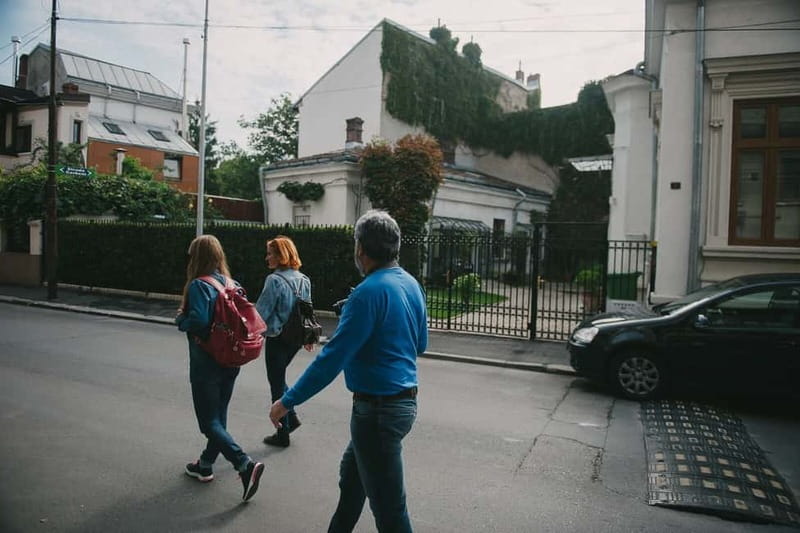
This is a strong fit if you like:
- Walking tours with a neighborhood focus rather than a checklist
- Architecture plus the human stories behind it
- A small group experience where you can hear your guide clearly
- Romanian street food as part of the itinerary, not an afterthought
It is also child-friendly. Children age 6 to 11 can join at the listed rate, and children under 6 can join free of charge if you inform the operator when booking. If your family is comfortable with walking, this can work well because the tour pace is described as gentle at the start.
Who might not love it as much:
- If you want lots of stops with frequent breaks and lots of food, you’ll likely feel constrained since only one snack is included
- If you dislike walking in sun, you’ll need to plan carefully since summer sun is called out for preparation
Should You Book This Bucharest Walking Tour?
I’d book it if you want a focused introduction to Bucharest’s neighborhoods, where mahalas and community-building around churches are the thread holding everything together. The combination of Batistei, an Armenian Orthodox church with the Ecmiazin replica story, Casa Melik’s Wallachian house details and art collection, plus covrig, and then the Eliade connection on Mantuleasa Street is a strong mix for a 3-hour window.
Skip it only if you’re looking for a food-heavy tour or you expect major landmarks in the biggest central tourist style. This one is more about understanding the city from street level, then leaving with a sharper sense of what you’re actually looking at.
If you do book, bring good walking shoes, sunscreen, and a hat. And right after the tour, ask your guide where to go next for food and drink. That last step is often what turns a good tour into a great day.
FAQ
How long is the Bucharest walking tour?
It lasts 3 hours.
Where do I meet the tour guide?
You meet on the stairs of the National Theater, in front of the main entrance. GPS is https://goo.gl/maps/QyvsQwmWAVs.
Is food included in the price?
Yes. One traditional snack is included. Additional food and drinks are not included.
How big is the group?
The group is small, with a maximum of 12 people.
What language is the tour in?
The tour is in English.
Is this tour child-friendly?
Yes. Children ages 6 to 11 can join at the listed child rate. Children under 6 can join free of charge, as long as you inform the operator at booking.
What should I bring?
Bring comfortable shoes, sunscreen, and something to cover your head, since the sun can be intense in summer.
Is free cancellation and pay later available?
Yes. You can cancel up to 24 hours in advance for a full refund. You can also reserve now and pay later.
Just Added: New Tours From Bucharest
- Bear Watching in Transylvania 2-Day Tour
- National Village Museum and Comana Adventure Park
- Half Day Tour in Bucharest
- From Dracula to Ceaușescu- Romanian Terror Stories tour
- Full-Day Private Tour of Brasov City and Peles Castle from Bucharest
- Bucharest: Tour The Wine Road, 2 Boutique Wineries in 1 Day
- Bucharest Ceaușescu House Parliament Palace &Village Museum
- Full-Day Private Tour of Bucharest and Mogosoaia Palace
Walking Tours, compared.

Ghost Stories & Romanian Mythology Walking Tour
Read our review →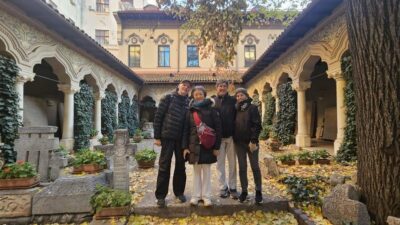
Walking Tour- Delightful Bucharest (Highlights, Stories, Sights)
Read our review →Browse the lists this tour appears in