
Reviewed · MUSEUMS
Bucharest: National Museum of Art of Romania Guided Tour
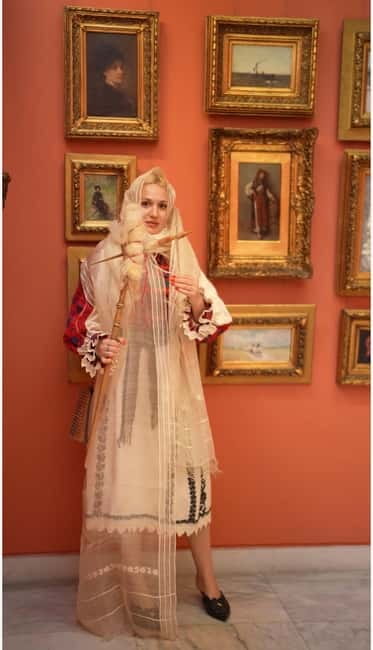
Romanian art clicks when an expert narrates it. This small-group tour at the National Museum of Art of Romania (inside the former Royal Palace) connects major artists into one clear story, with a tight small group and expert guidance. You get to see the works in person, not just read about them on the way to the next stop.
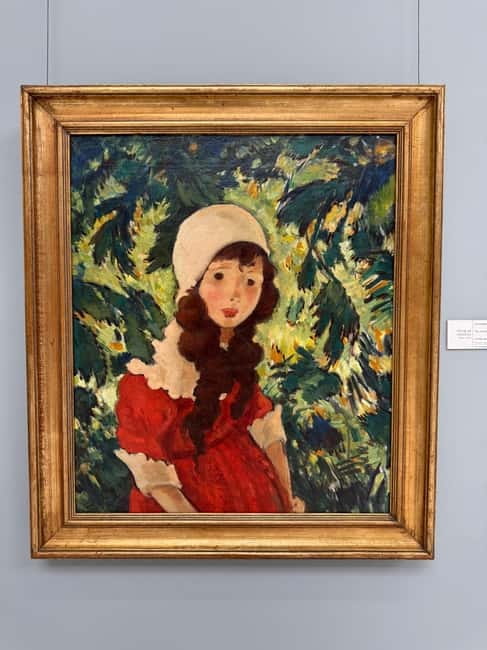
I especially love the way the guide frames Teodor Aman and Nicolae Grigorescu, moving from academic history painting into brighter, more impressionist-feeling scenes. And I enjoy how you are not stuck staring at one wall, the tour is built around four anchor artists.
One thing to consider: the visit is only 1 to 1.5 hours. If you want long, solo roaming time through every gallery room, plan extra hours on your own.
In This Review
- Key points to know before you go
- Entering the National Museum of Art of Romania, in a palace
- Teodor Aman to Nicolae Grigorescu: how the art evolves
- Ștefan Luchian: expressive painting that feels personal
- Constantin Brâncuși: modernist sculpture you can actually study
- How the guide makes a huge museum feel manageable
- Price and value at a glance, and what you should budget
- Practical details for a smooth museum visit
- Who should book this Bucharest art tour
- Should you book? My practical take
- FAQ
- Where is the meeting point for the tour?
- How long does the guided tour last?
- What is included in the $43 price?
- Can I take photos, and is flash allowed?
- Is the tour wheelchair accessible?
- Is the tour suitable for children?
Key points to know before you go
- Former Royal Palace setting: you view Romania’s national art collection in a grand, palace-like space
- Four major artists covered: Aman, Grigorescu, Luchian, and Brâncuși get the spotlight
- Small group format (up to 10): the pace stays human, and questions feel possible
- Live guide in English or Romanian: you get stories, context, and inspiration behind the art
- Photo rules are simple: camera is encouraged, but flash is not allowed
Entering the National Museum of Art of Romania, in a palace
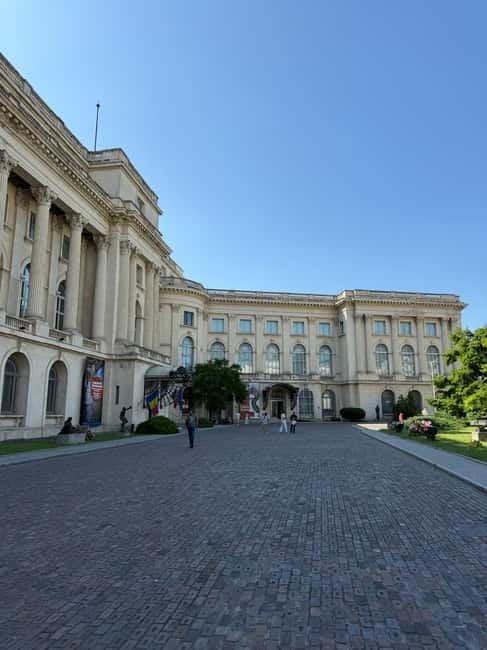
This guided tour starts right where you want to be, at the Romanian Modern Art Gallery entrance. If you are facing the building, stand on the right-hand side to find the meeting point. Show up a bit early, because the tour starts promptly at the scheduled time and you will want to get settled before the first artworks.
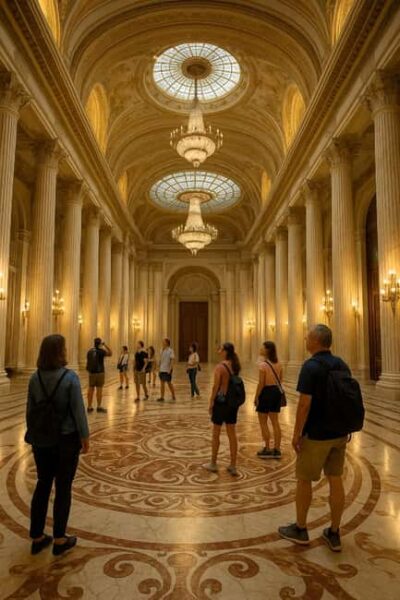
The museum itself is a big draw. The National Museum of Art of Romania sits in a former Royal Palace, so even before you reach the art, you feel like you walked into a serious building. That matters, because the art you will see is also “serious work,” not casual decoration. It is national, political, personal, and often experimental, depending on the artist and the era.
The group size is limited to 10 participants. In a museum setting, that small cap changes the experience. You can stand close enough to actually look at details, and the guide can steer you toward what to notice next instead of rushing a crowd through everything.
Your time window is short, 1 to 1.5 hours. That is a feature, not a flaw, if you like a plan. You are getting a guided route focused on Romanian art’s evolution, not an open-ended “good luck” museum outing. The guide handles the hard part, the sequencing and the story.
The price also makes more sense once you see what is included. You pay for the expert guide, museum admission, and access to permanent National Art Gallery exhibitions. For 1 to 1.5 hours, you are not just buying entry, you are buying interpretation. That is the difference between reading the label and actually understanding what you are looking at.
Teodor Aman to Nicolae Grigorescu: how the art evolves
The tour’s storyline starts with Teodor Aman and moves through the key modernizing steps of Romanian painting. Aman’s work is presented as elegant academic painting, the kind of style that comes with training, formal composition, and a polished sense of historical scene-setting. If you usually find academic art a bit stiff, this is where the guide can help you adjust your eyes. Instead of treating it like old-school, you learn to see what it is trying to communicate and why it mattered.
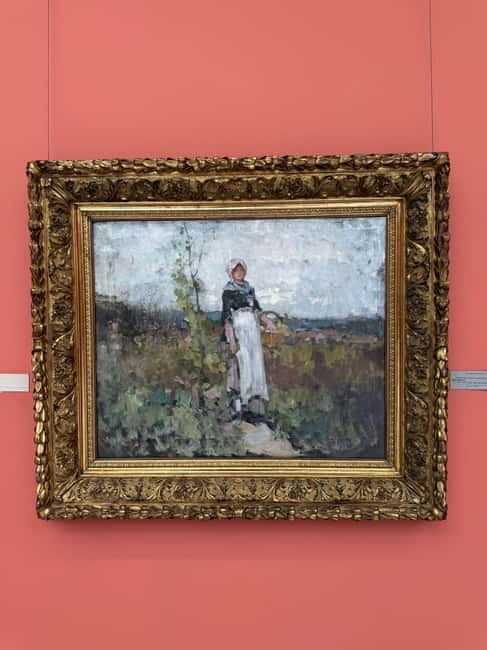
Then the focus turns toward Nicolae Grigorescu, where the mood shifts. His paintings are described as deeply tied to light and an Impressionist feel. You get to see how Romanian artists absorbed new ways of seeing the world, while still speaking to local themes. That contrast, academic structure versus more open, light-forward perception, is one of the most satisfying parts of the tour because it shows change without losing context.
In practical terms, this is what you will do during these painting stops:
- You look at key works while the guide explains what stylistic shift you are seeing
- You get short anecdotes about artist influences and motivations
- You learn how Romanian art developed its own voice rather than only copying what was happening elsewhere
Why this matters for you as a visitor: museums can feel like a giant storage unit of art. A guided route gives you a spine. With Aman and Grigorescu, the spine is the movement from formal academic tradition toward more modern ways of painting what the eye notices.
Rainy-day museum collections
- Bucharest: Museum of Senses Entry Ticket★ 4.2 · 364 reviews
- Bucharest: Parliament, Ceausescu House & Village Museum Tour★ 5.0 · 208 reviews
- Communism in Bucharest – Landmarks, Museum & Communist Appetizers★ 5.0 · 111 reviews
Ștefan Luchian: expressive painting that feels personal
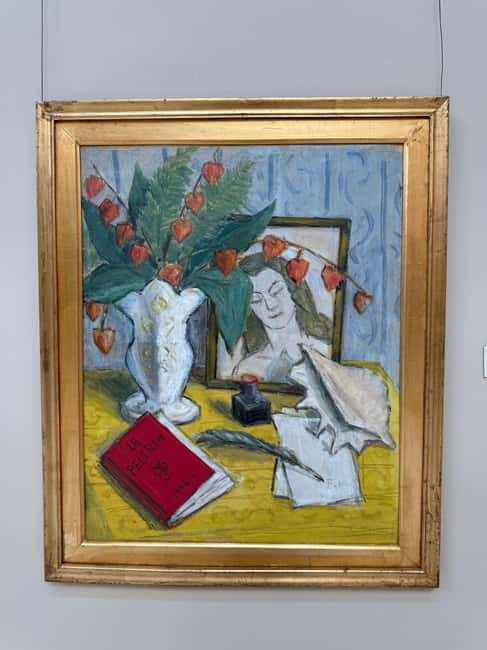
If Aman and Grigorescu give you the evolution of style, Ștefan Luchian is where the emotional register shifts. The tour highlights his paintings as deeply expressive. That word matters because Luchian’s work tends to hit you on the human level, not just the artistic level. The brushwork and the mood do the talking.
During the Luchian portion, expect the guide to slow down the looking. You will get help noticing how expression is built. Instead of you trying to guess what you are supposed to feel, the guide frames the intention, the context, and the inspiration behind the work.
This is also where anecdotes become useful. You do not just hear facts. You hear why the artist may have approached the subject in that way, and how the inspiration connects to broader Romanian art developments. The result is that you leave seeing Luchian less like a name and more like an artist with a specific way of thinking.
From the reviews, this is one of the most praised parts of the experience. People often mention that the guide’s clarity and passion make the art feel less like a blur and more like a conversation. When the guide talks about Luchian’s expressive approach, you get a reason to keep looking even after the label has said the basic information.
Constantin Brâncuși: modernist sculpture you can actually study
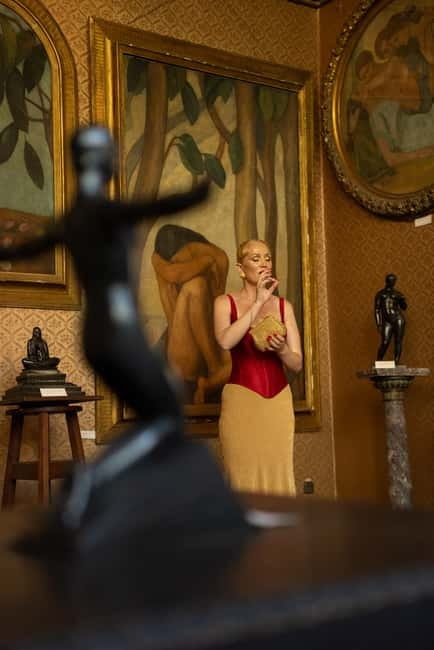
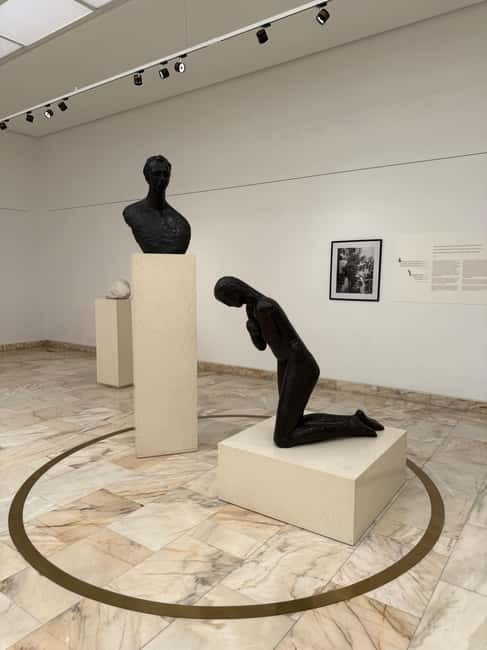
The tour then takes you to the standout modernist moment: Constantin Brâncuși. His sculptures are presented as revolutionary modernist forms, and seeing them in person is a reminder that modern art is not only about shock value. With Brâncuși, it is about changing the rules of what sculpture can do.
Brâncuși’s style is minimalist and abstract, but it is not empty. The forms are simplified, yet they communicate. You can feel that the work is about essence, proportion, and idea more than storytelling realism. And because sculpture takes space, you experience it from different angles. Even with a short tour, you should try to give yourself a full minute or two of actual looking from a couple of viewpoints if the guide’s schedule allows.
The tour also connects Brâncuși to broader impact. You will hear how his approach influenced generations of artists worldwide. That global link is important for first-time visitors. It helps you place Romanian modernism on the same stage as the big 20th century art names, not as a local curiosity.
Practical tip for your camera: photos are allowed without flash. That helps keep things calm for everyone and still lets you capture what you need. Because Brâncuși’s works are form-driven, your best photos will come from steady framing, not from rushing to click.
How the guide makes a huge museum feel manageable
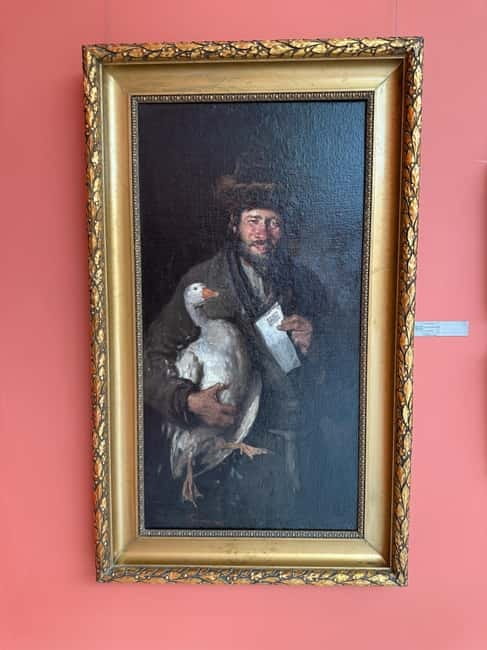
A major reason this tour gets high marks is the way the guide structures your time. The museum has a large collection, and without a plan, you can easily end up with a scattered visit. This tour keeps the focus on modern Romanian art, from the 1830s onward, and guides you through the main movements and artists instead of covering everything under the sun.
The guide experience matters here. In multiple accounts, the guide is described as clear, warm, and passionate. Names come up often, especially Iana, who seems to be a frequent guide for this experience. People mention how her explanations make the art feel like it has a voice, and that she brings exhibits to life with both clarity and enthusiasm.
Even if you do not know anything about Romanian art before you arrive, you are not starting from zero. The guide does the “translation work,” turning stylistic terms into something you can recognize visually. It is also an efficient way to learn. In 1 to 1.5 hours, you get a guided sequence of works by key artists and understand how they relate to each other.
One more subtle benefit: you get anecdotes. Those are not filler. They are the reason the art sticks in your memory. A fun story about an inspiration or a turning point can become your mental bookmark when you walk away and think, Wait, I remember why that artist painted like that.
Price and value at a glance, and what you should budget
At about $43 per person, you are paying for a focused museum lesson. Here is what you get for the money:
- Expert guide
- Admission to the National Museum of Art of Romania
- Access to the permanent National Art Gallery exhibitions
That is the key value piece. If you were to go on your own, you would likely spend similar time just trying to figure out what to prioritize. By paying for the guide, you are buying direction and interpretation. You also get the benefit of a small group pace, which matters when you want to actually see brushwork and sculptural form.
Is it expensive? Not in the “tourist markup” sense, because museum admission is included and you have a live guide for a set route. Is it cheap? Also not a throwaway cost, so you should go in with the right mindset. If you love museums and art explanations, this price can feel fair. If you only want a quick photo stop, you might find the time too structured.
How to budget your day: plan for 1 to 1.5 hours at the museum. If you enjoy what you see, you will probably want to come back later or add more time for extra rooms not covered in the guided route.
Other day trips from Bucharest
- Bucharest: Palace of Parliament Tickets and Guide
★ 4.3 · 3,182 reviews - Bucharest to Dracula Castle, Peles Castle and Brasov Guided Tour
★ 4.5 · 2,933 reviews - Bucharest: Palace of Parliament Tickets and Guided Tour
★ 4.4 · 1,877 reviews - Bucharest: City Highlights Guided Walking Tour
★ 4.9 · 1,482 reviews - Bucharest: Communism and History Guided City Walking Tour
★ 4.9 · 918 reviews
Practical details for a smooth museum visit
Museum day is usually simple, but small rules can affect your mood. This tour follows a few clear guidelines:
- Bring comfortable shoes, you will do standing and looking
- Bring your camera, photography is allowed without flash
- No flash photography, and no food or drinks
Also, the tour is live and led in Romanian and English. That is great if you want flexibility, especially if you are traveling with someone who speaks one of those languages more comfortably.
Timing is strict. Arrive around 10 minutes early. It is not being difficult, it just keeps the guide from wasting time and keeps the group on pace.
Wheelchair access is noted as available, but there is also an important caution: the museum is not fully accessible for wheelchair users or people with mobility impairments. If this affects you, you should consider whether you can comfortably navigate within the museum spaces used by the route.
Children under 12 are not suitable for this tour. So if you are traveling as a family, you will need to look for a different format designed for younger visitors.
Who should book this Bucharest art tour
This is a good match if:
- You want a focused introduction to Romanian modern art through major artists
- You like explanations that connect style to context, not just dates and names
- You enjoy seeing paintings and then moving to sculpture for contrast
- You want a planned route in a large museum
It may not be the best match if:
- You want a long free-roam museum session instead of a guided route
- You are traveling with young children under 12
- You have mobility needs that require fully accessible spaces throughout the visit
If you are a first-timer in Bucharest, this tour also works well because it gives you culture that is local and specific. It is not just a landmark day. You get a real sense of Romanian artistic identity, in the kind of museum setting that makes you slow down and look.
Should you book? My practical take
I would book this tour if you care about the “why” behind what you see. The combination of Teodor Aman, Nicolae Grigorescu, Ștefan Luchian, and Constantin Brâncuși makes the visit feel like a guided map through Romanian art’s evolution, not a random walk through galleries.
The small group and the consistently praised guide approach are the deciding factors. When a guide can explain in clear language and still sound excited about the art, your museum time feels twice as productive.
If you are short on time in Bucharest but want something genuinely meaningful, this is a strong use of 1 to 1.5 hours. Just show up early, wear comfy shoes, skip the flash, and let the guide do the heavy lifting.
FAQ
Where is the meeting point for the tour?
The tour meets at the Romanian Modern Art Gallery entrance. If you face the building, it is on the right-hand side.
How long does the guided tour last?
The tour lasts about 1 to 1.5 hours.
What is included in the $43 price?
The price includes an expert guide, admission to the National Museum of Art of Romania, and access to the museum’s permanent National Art Gallery exhibitions.
Can I take photos, and is flash allowed?
Photography is allowed, but flash photography is not allowed.
Is the tour wheelchair accessible?
The activity is listed as wheelchair accessible, but the museum itself is not fully accessible for wheelchair users or people with mobility impairments.
Is the tour suitable for children?
No. The tour is not suitable for children under 12 years old.
Just Added: New Tours From Bucharest
- Bear Watching in Transylvania 2-Day Tour
- National Village Museum and Comana Adventure Park
- Half Day Tour in Bucharest
- From Dracula to Ceaușescu- Romanian Terror Stories tour
- Full-Day Private Tour of Brasov City and Peles Castle from Bucharest
- Bucharest: Tour The Wine Road, 2 Boutique Wineries in 1 Day
- Bucharest Ceaușescu House Parliament Palace &Village Museum
- Full-Day Private Tour of Bucharest and Mogosoaia Palace
Museums, compared.
Parliament, Ceausescu House & Village Museum Tour
Read our review →
Communism in Bucharest – Landmarks, Museum & Communist Appetizers
Read our review →
Museum of Communism Ticket with Communist Coffee
Read our review →
Dinner+Tour at Museum of Communism after closing
Read our review →
Visit Parliament Palace, Ceausescu Mansion & Village Museum
Read our review →
Palace of the Parliament, Ceaușescu Mansion & Village Museum
Read our review →Browse the lists this tour appears in