Reviewed · TOURS
Unique Tour of Hidden Bucharest
Bucharest has secrets just off the boulevards. This 2.5- to 3-hour walking tour swaps the big sights for quieter corners of the city, built around history you can actually see in doorways, facades, and street plans.
I especially like the way the guide connects architecture to the city’s complicated Ottoman-era influence and later upheavals.
One thing to consider: this is not a monument parade, so if you mainly want major landmarks and long museum time, you may want to pair it with a more classic Bucharest tour.
In This Review
- Key points to know before you go
- National Theatre Ion Luca Caragiale, where Bucharest’s “layers” start
- Strada Batiștei and the Mahallas that shaped daily life
- Parcul Ion Voicu and Belle Epoque mansions from the late 1800s
- How the walking pace stays manageable, especially in hot weather
- Price check: $46.86 for a guide-led city lesson, not just sightseeing
- Guide styles you may encounter, and what to ask them
- Should you book this Hidden Bucharest walk?
- FAQ
- How long is the tour?
- How much does it cost?
- Where does the tour start and end?
- Is the tour offered in English?
- What is included in the price?
- What is not included?
- Are tickets required for the listed stops?
- How big is the group?
- What refund can I get if I cancel?
Key points to know before you go
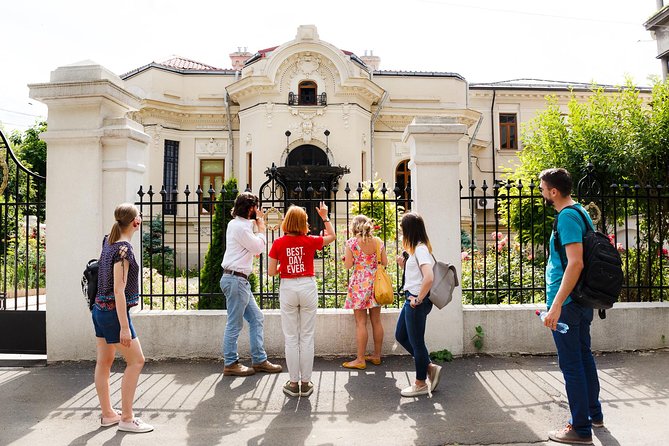
- Small group (max 12) means more time for questions and slower, better photo stops.
- Neighborhood history through architecture, not lecture mode.
- Tea-house and garden refreshments help you keep pace on a summer walk.
- Mahallas on Strada Batiștei is a vivid way to understand who lived where and why.
- Belle Epoque mansions in Parcul Ion Voicu show what Bucharest looked like at the turn of the 20th century.
National Theatre Ion Luca Caragiale, where Bucharest’s “layers” start
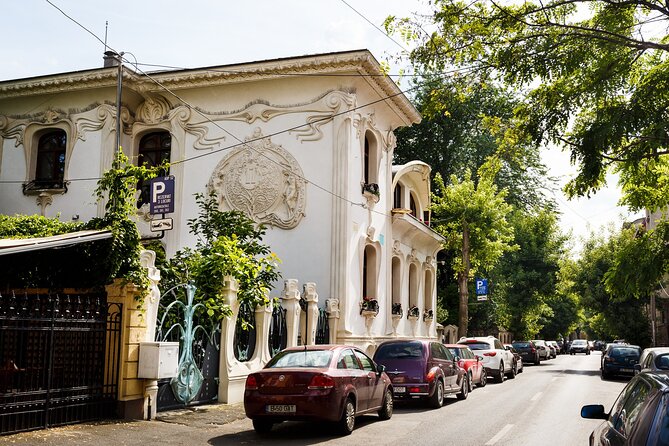
You begin at the Ion Luca Caragiale National Theatre, on Bulevardul Nicolae Bălcescu. It is a smart starting point because the guide can set the tone quickly: Bucharest did not develop in a straight line. It absorbed ideas and influences, then got reshaped by wars, shifting empires, and political decisions that left scars on neighborhoods.
What I liked here is the focus on how buildings and city life connect. Even if you have seen Bucharest’s grand boulevards already, this stop helps you notice what sits behind them: the city is a patchwork of eras. The tour also notes how Bucharest’s relationship with the Ottoman world was not the same as an Ottoman city, yet it shared enough patterns of life and structure to leave traces. That gives you a lens you can carry into the streets that follow.
Practical note: the stop includes free admission (as listed for this part). That matters, because it keeps your day simple. You are not stuck budgeting time and money for paid entry just to get the story started.
Strada Batiștei and the Mahallas that shaped daily life
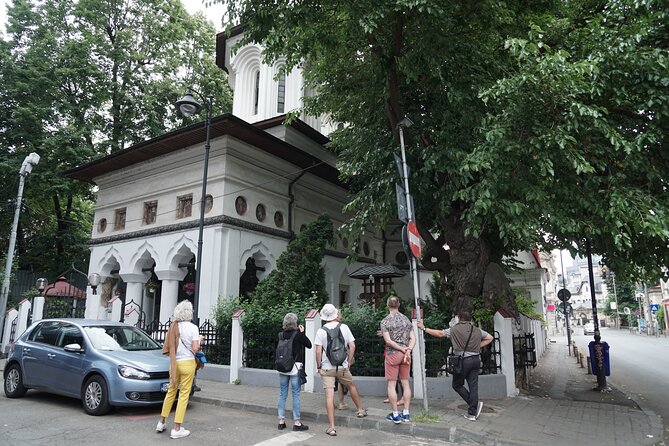
The heart of the experience is walking through the kind of city-center streets most visitors ignore. Strada Batiștei is where you slow down and start seeing Bucharest as neighborhoods made of people, not just buildings.
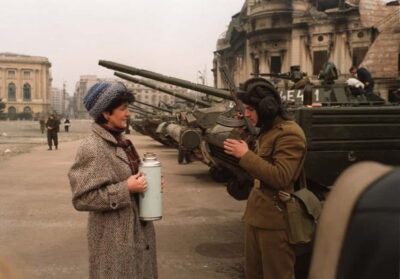
Here’s the key idea you take away: mahallas were small quarters that grew around religious buildings and attracted communities that were often fairly similar in background. As Bucharest expanded, those quarters merged into larger neighborhoods. And that merger did not happen smoothly. You see the results of modernization, earthquakes, wars, and later demolition projects during the Ceausescu era.
The tour frames that with real neighborhood names tied to distinct communities, including the Armenian Quarter, Mantuleasa, and the Old Jewish Quarter, along with Batistei itself. The guide’s angle is practical, not abstract: you learn how architecture and street layouts reflect where communities lived, traded, prayed, and socialized, plus how cuisines and everyday culture traveled along with them.
What you can expect on the walk:
- The guide points out architectural styles side by side, so you can spot shifts in taste, materials, and building rhythms.
- You will get stop-and-go moments for photos, and those moments are often where the history clicks.
- The story stays connected to what is still visible today, including places that are in various states of repair.
One caution: this style of tour can feel less rigid than a “checklist” itinerary. If you want every minute locked in and identical across all days, you might find the route adjustments slightly unpredictable. That said, most people come to this tour because they like the street-level flexibility.
A short list of what else is worth booking.
- Bucharest: Dracula’s Castle, Peles Castle, & Brasov Old Town★ 4.5 · 17,858 reviews
- Bucharest: Dracula Castle, Peles Castle & Brasov Old Town★ 4.6 · 10,891 reviews
- Bucharest: Dracula’s Castle, Peleș Castle & Brașov Day Trip★ 4.4 · 6,100 reviews
Parcul Ion Voicu and Belle Epoque mansions from the late 1800s
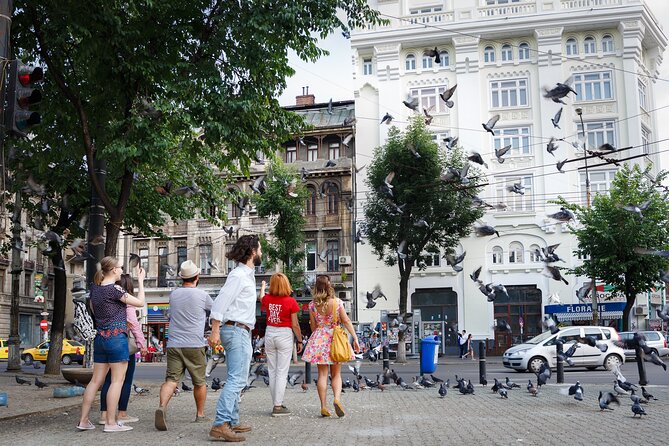
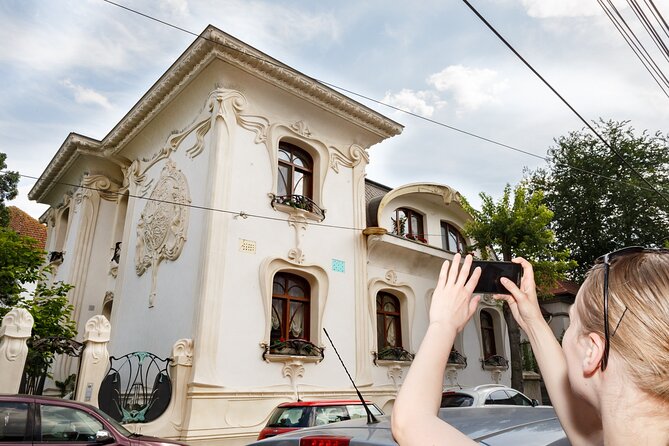
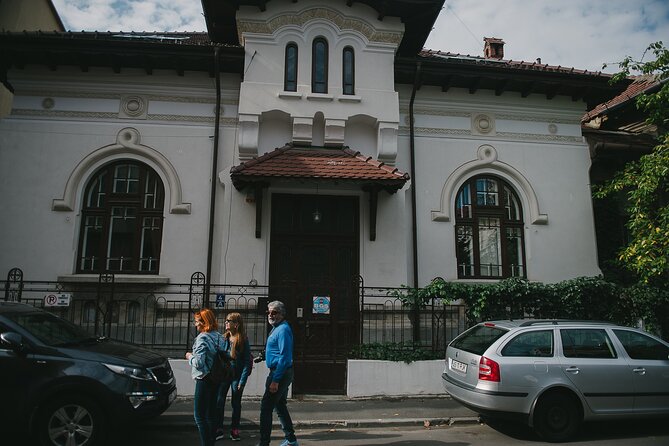
After the denser neighborhood history, Parcul Ion Voicu gives you breathing room. This stop is built around a Belle Epoque area and mansions dating back to the late 19th century, which makes it a great contrast to the tighter streets earlier in the day.
Why it works: you are not just hearing about “old Bucharest.” You are seeing how wealth and optimism expressed themselves in design choices, scale, and the overall feel of the streets around the park. In other words, you get the before-and-after contrast that helps make the later damage and neglect feel real, not just sad.
This is also the part of the tour where the day often feels more relaxed. The experience includes snacks, and the highlights mention refreshments in summer gardens and historic tea houses. Even if you do not treat this as a food tour, the pacing matters. A walking tour without little breaks can turn tiring fast, especially in hot weather.
Expect plenty of photo time here. The mansions and the park-adjacent streets give you angles you do not get on major avenues, plus the details are varied enough that your camera can keep busy.
How the walking pace stays manageable, especially in hot weather
This is a walking tour with a moderate physical fitness level recommended. That likely means you should be comfortable with uneven sidewalks and a steady walking pace for the full length of the tour, not just short museum sprints.
The good news is the tour is designed to be small. The maximum is 12 travelers, and that size is big enough for a group vibe but small enough for the guide to keep it human. On days when the group is tiny, the whole experience can shift toward a more personal pace, including extra time for questions and photo requests.
From past guests’ experiences, a few guide habits come up again and again:
- They handle heat well by keeping people hydrated and adjusting the rhythm when it gets intense.
- They are willing to reroute a bit for photo spots or when a building access is possible.
- They answer questions about architecture and how different communities shaped what you see.
Also, the itinerary includes free entry for the listed stops, which removes a common headache. You just show up, meet the guide, and walk.
Price check: $46.86 for a guide-led city lesson, not just sightseeing
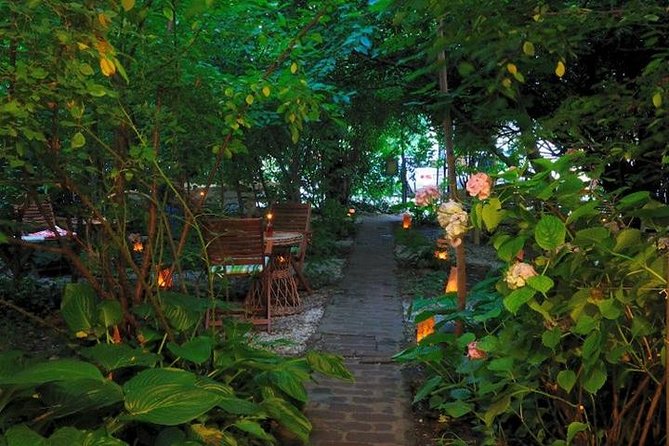
At $46.86 per person, the price sits in the “value” zone for a Bucharest walking experience, especially because you are not paying extra for the core stops (free admission tickets are listed). You are also getting snacks plus a local guide, and those two things quietly change the experience.
A city tour with no food breaks can feel like a chore. Here, snacks and planned refreshment moments help you stay focused on what you are seeing. And the guide time is where the money goes: instead of looking at random streets, you get a framework for understanding why neighborhoods developed as they did, then why so many buildings ended up in different conditions.
Should you do it on a first day? I think yes. I like tours like this early because they help you “read” the city. After a few hours, Bucharest starts making sense as layers, not just a series of buildings.
Guide styles you may encounter, and what to ask them
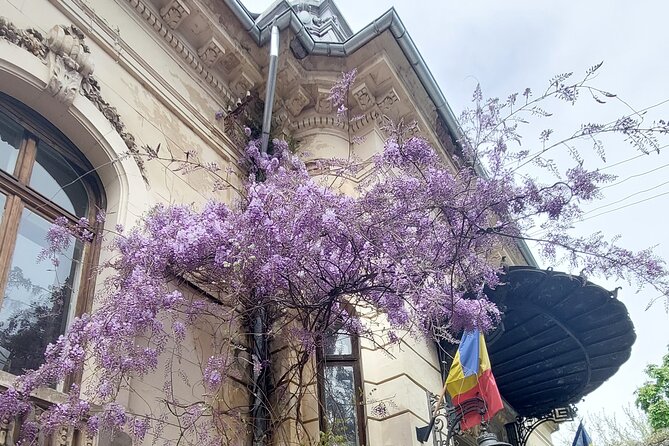
One of the strongest parts of this tour is the guide experience. Multiple names show up in different days and schedules, including Andrea, Ioana, Mircea Constantin, LaLa, Roxana, Elena, Tudor, and Anita. The common thread is storytelling with street-level specifics, plus a warm, personal tone.
You might notice differences in style. Some guides are especially strong on architectural identifiers, so they point out what to look for and why certain designs appeared in certain eras. Others focus more on cultural history, explaining how mahallas worked and how community life shaped what neighborhoods became.
A few smart questions to ask your guide (these tend to land well because the tour is built for them):
- Which building detail should I look for first to spot Ottoman-era influence?
- How did mahallas change over time in Bucharest, and what evidence can I still see?
- What part of today’s walk do you think most visitors miss, and why?
- If I want one restaurant or café recommendation in the neighborhoods we pass, where would you send me?
Also, because this walk is about smaller streets, good shoes matter. Bring comfortable footwear and plan for some time on sidewalks that are not always perfectly smooth.
These pair well with the day you just read about.
- Bucharest: Palace of Parliament Tickets and Guide
★ 4.3 · 3,182 reviews - Bucharest: Day Trip to Dracula Castle, Peles Castle & Brașov
★ 4.4 · 3,049 reviews - Bucharest to Dracula Castle, Peles Castle and Brasov Guided Tour
★ 4.5 · 2,933 reviews - Bucharest: Palace of Parliament Tickets and Guided Tour
★ 4.4 · 1,877 reviews - Dracula’s Castle, Peles Castle and Brasov Day Trip from Bucharest
★ 4.5 · 1,804 reviews
Should you book this Hidden Bucharest walk?
Book it if you want Bucharest to feel personal and lived-in. This tour is a strong fit if you love architecture, enjoy history that shows up in streets and buildings, and prefer calmer neighborhoods over crowded landmark routes. It is also a nice way to get oriented fast, especially if you are only in town for a short visit.
Skip it or pair it with something else if your priority is major monuments and indoor museum time. This experience is about noticing, walking, and learning at a street level, so you will get the most out of it when you match that mindset.
FAQ
How long is the tour?
The tour lasts about 2 hours 30 minutes.
How much does it cost?
It costs $46.86 per person.
Where does the tour start and end?
It starts at Ion Luca Caragiale National Theatre, Bulevardul Nicolae Bălcescu 2, București 010051, Romania, and ends at KFC, Bulevardul General Gheorghe Magheru 28-30, București 010336, Romania.
Is the tour offered in English?
Yes, it is offered in English.
What is included in the price?
Snacks and a local guide are included.
What is not included?
Alcoholic drinks are not included (they are available to purchase). Food and drinks are not included unless specified, and there is no hotel pickup or drop-off.
Are tickets required for the listed stops?
The information provided lists free admission tickets for the listed stops.
How big is the group?
There is a maximum of 12 travelers.
What refund can I get if I cancel?
You can cancel up to 24 hours in advance for a full refund.
Just Added: New Tours From Bucharest
- Bear Watching in Transylvania 2-Day Tour
- National Village Museum and Comana Adventure Park
- Half Day Tour in Bucharest
- From Dracula to Ceaușescu- Romanian Terror Stories tour
- Full-Day Private Tour of Brasov City and Peles Castle from Bucharest
- Bucharest: Tour The Wine Road, 2 Boutique Wineries in 1 Day
- Bucharest Ceaușescu House Parliament Palace &Village Museum
- Full-Day Private Tour of Bucharest and Mogosoaia Palace
Tours, compared.
Bucharest to Dracula Castle, Peles Castle and Brasov Guided Tour
Read our review →
Transylvania and Dracula Castle Full Day Tour from Bucharest
Read our review →
Peles Castle, Bran Castle, & Brasov Old Town Tour
Read our review →