
Reviewed · BULGARIA DAY TRIPS
7 days in Balkans: Bulgaria Macedonia Albania Bosnia Serbia
Seven days, too many countries, perfectly planned. This Bucharest-based route is interesting because you move daily through capitals and iconic sights with private, air-conditioned transport, plus you get written info so you can show up knowing what you are looking at. I like that the trip is built like a real road itinerary, not a random set of train hops.
I also really like the human side. In the reviews, Sebastian gets singled out for safe driving and for telling stories while you pass through the countries, and that matters when you are doing long stretches on the road. The tour also uses a mobile ticket approach and includes pickup, so the start is smoother than you might expect.
One drawback to consider is pacing. This is a whirlwind week with accommodation and meals not included, and the driver only assists in Romania as a guide, while in other countries he is a group leader. If you want slow travel and lots of free time in one place, this route may feel intense.
In This Review
- Key takeaways before you go
- How a Bucharest-based Balkan road trip really feels
- Day 1: Veliko Tarnovo and Sofia, Bulgaria’s old-world-to-capital contrast
- Day 2: Rila Monastery UNESCO art, then Skopje’s fortress views
- Day 3: Pristina and Tirana, moving from Kosovo to a fast-changing Albania
- Day 4: Budva’s Venetian old town and Dubrovnik’s Adriatic drama
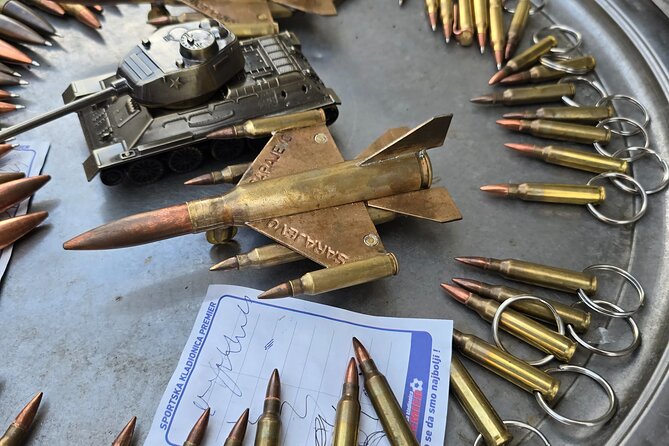
- Day 5: Mostar’s bridge, then Sarajevo’s layered, difficult memory
- Day 6: Belgrade, a Danube capital shaped by conflict and rebuilding
- Day 7: Back to Bucharest, a Romania city still changing
- What’s included, what’s not, and how that affects value
- How to book hotels without wasting time
- Guide and driver setup: what Sebastian can do, and what you still control
- Pacing, packing, and comfort tips that actually matter
- Price and value: $2,418.47 per person, for what you really get
- Should you book this Balkan blitz from Bucharest?
- FAQ
- What time does the tour start?
- Where does the tour meet?
- Is accommodation included?
- Are meals included?
- Is a local guide included in every city?
- Can the guide act as a guide in all countries?
- Are admission tickets included?
- What vehicle and transport style should I expect?
- How much luggage can I bring?
- Is this tour private?
- What is the cancellation window?
Key takeaways before you go
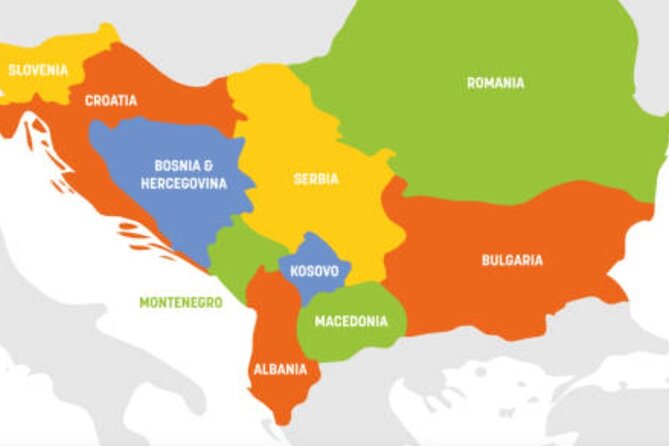
- Private vehicle, shared borders, big daily coverage means you spend less time wrestling schedules and more time seeing places.
- Sebastian-style storytelling can turn highway views into context, especially for the Balkans’ complicated past.
- Written background material helps you hit the ground running, even if you are not a history person.
- Hotel location matters since you are advised to book central areas and the driver will not assist in the evening.
- Light packing keeps the logistics sane with a luggage limit of one small cabin bag plus a backpack per person.
- Not every country includes a local guide in the program, so you may rely on optional walking tours once you are there.
How a Bucharest-based Balkan road trip really feels
This is a 7-day road trip that starts in Bucharest at 9:00 am. You are in a private car with air-conditioning, and the plan is round-trip from Romania, so you are not stuck figuring out cross-border transport every step of the way. For a route this long, that comfort and simplicity is a big part of the value.
You are also not left completely on your own information-wise. The experience includes written material about the places you visit, which is perfect for getting your bearings fast before you arrive. And since the tour is private, your group can match the pace of the driver-guided schedule, rather than trying to squeeze into someone else’s plan.
The tradeoff is time. Each day has multiple stops, so you will want to be the kind of traveler who is happy to see the key sights, take a few photos, and keep moving. If you prefer to linger in one neighborhood for hours, you might feel that the trip is constantly asking you to transition.
Day 1: Veliko Tarnovo and Sofia, Bulgaria’s old-world-to-capital contrast
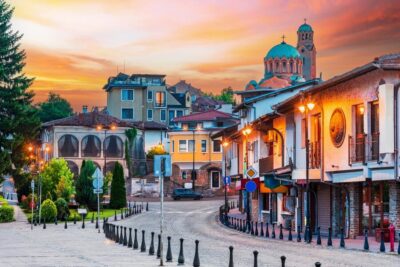
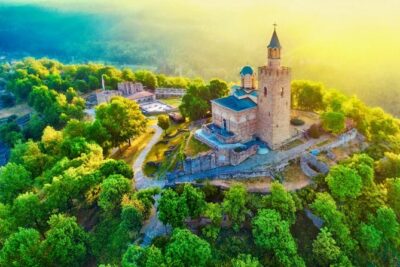
You start with Veliko Tarnovo, Bulgaria’s former imperial capital. Even if you do not speak the local language, you can feel the identity of the place through the city’s architecture and its historic role. Expect this stop to be about atmosphere and structure, the kind of place where narrow views and old buildings explain why the city mattered.
Next comes Sofia, Bulgaria’s current capital and home to about a million people. The city is described as mostly Christian, but shaped by 500 years of Ottoman rule, and that blend shows up in the streetscape and religious influences you will notice as you move around. Sofia is also a good “warm-up capital,” because it is urban enough to feel modern, but layered enough to reward a little attention.
Because the day is long, I’d treat this as an orientation day rather than a deep dive day. Use your walking time to pick up a few visual themes. Then tomorrow you get to the kind of sights that reward patience.
Cross the border for the day
- From Bucharest: Full-Day Trip to Bulgaria★ 4.6 · 1,008 reviews
- From Bucharest: Small Group Day Trip to Medieval Bulgaria★ 4.2 · 382 reviews
- Full Day Trip to Bulgaria from Bucharest★ 4.5 · 343 reviews
Day 2: Rila Monastery UNESCO art, then Skopje’s fortress views
The day’s headline is Rila Monastery, a UNESCO World Heritage Site in the Rila Mountains. This is an Eastern Orthodox monastery complex known for its churches, residences and administrative buildings, and, most importantly, its frescoes. If you like medieval art, this is the stop where you slow down without needing permission.
One practical note: monastery visits can be visually intense. You may want to set a simple goal for yourself, like focusing on fresco panels or the layout of the complex, rather than trying to absorb everything at once. The value here is that the site is famous for a reason, and the program gives you the time to actually see it rather than just pass by.
Then you head to Skopje, the capital of North Macedonia. It is described as a place where Christians and Muslims live in communion, and you will see that theme in the city’s character. Skopje is also framed as a tourist-friendly capital with monuments and a large fortress, so you get both city energy and a strong viewpoint payoff.
This is a day that can flip your mental gear from religious art to city history. If you come in thinking, you will notice more. If you come in tired, you can still enjoy it, but I’d advise planning shorter photo sessions and longer “stand and look” moments.
Day 3: Pristina and Tirana, moving from Kosovo to a fast-changing Albania
You start Day 3 in Pristina, Kosovo’s capital. The schedule keeps this stop relatively short, so think of it as a brief orientation: you are here to get a feel for the capital’s layout and identity, not to do a full-day museum marathon.
Next is Tirana, Albania’s capital. The description points out continuous development in recent years, and that shows up as a city that feels like it is actively rebuilding its tourism offer. It is also described as having good food and Mediterranean weather, and that combination matters on the ground because it makes the city feel livable, not just “historic.”
With a stop like Tirana after Pristina, the key is to manage your energy. Pick one neighborhood vibe to explore on foot, then eat well rather than trying to sample everything. Since meals are not included and you choose lunch and dinner yourself, your best value comes from making food your anchor.
Day 4: Budva’s Venetian old town and Dubrovnik’s Adriatic drama
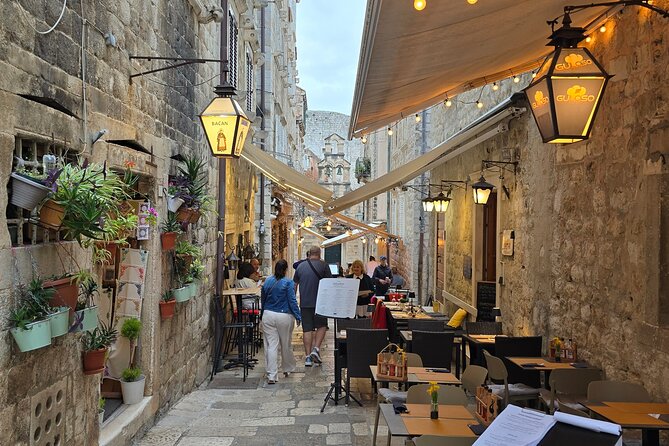
Day 4 shifts to the Adriatic, with Budva first. Budva is described as having an old town built by the Venetians, plus a fortress and narrow streets full of tourists from around the world. That sounds crowded in the abstract, but in practice it means the area is built for walking. You can spend time just moving through the layers of old stone and street geometry.
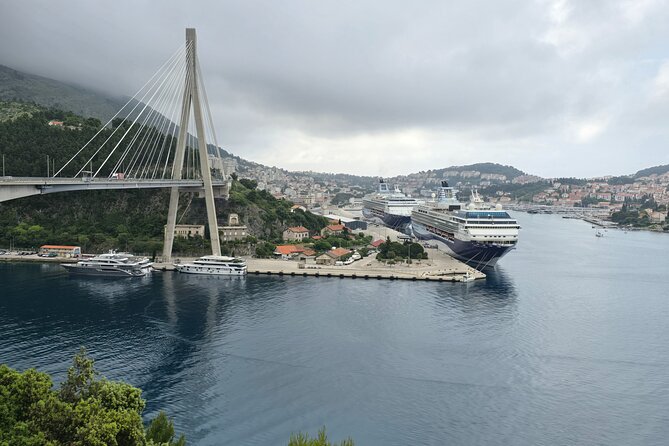
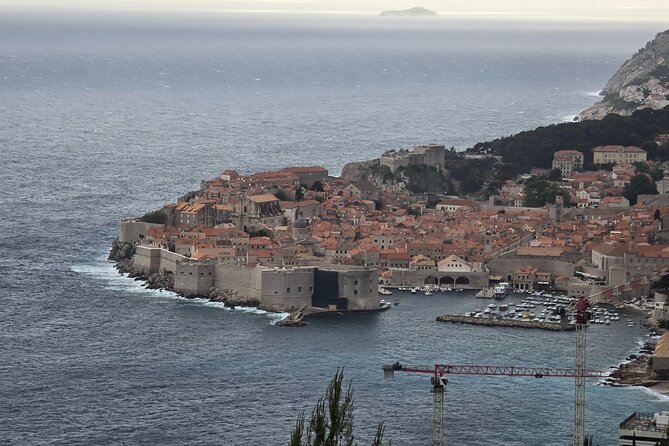
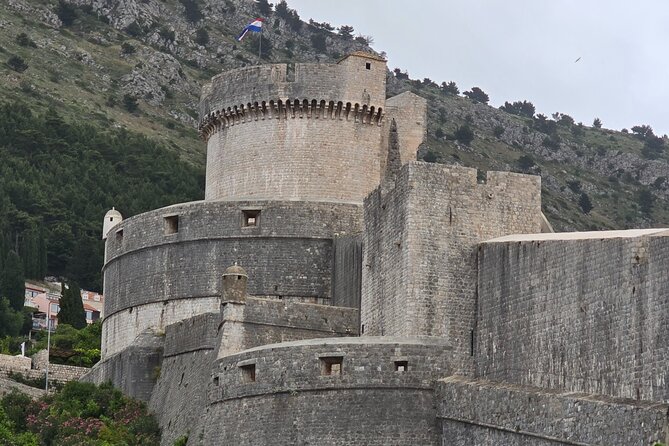
Next comes Dubrovnik, commonly called the pearl of tourism on the Balkan Adriatic coast. The description frames it as having a medieval Italian fortress vibe, with a luxury-leaning tourism image. Even if you are not into luxury travel, Dubrovnik tends to reward basic curiosity. You look up at walls, you walk lanes, you stop when the view opens.
The drawback here is simple: beach-and-city destinations can attract crowds, and this route is moving on schedule. If you want quiet, this is not the week to hunt for it. If you want famous coastal city energy with a strong payoff, this is one of the best days.
Day 5: Mostar’s bridge, then Sarajevo’s layered, difficult memory
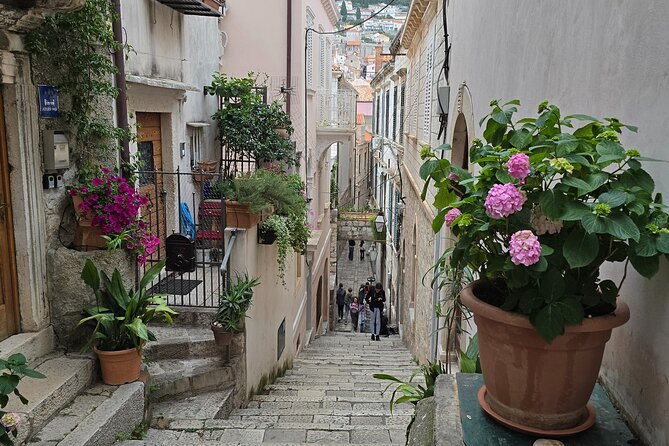
You start Day 5 in Mostar, known for the Mostar Bridge. This stop is about one of the most recognizable symbols in the region and the way a city can center identity around a single structure. In a short visit, the best approach is to take the bridge as your focal point, then glance outward to see how the city is shaped around the river crossing.
Then you head to Sarajevo, the capital of Bosnia and Herzegovina. The description is direct: the city is marred by the ethnic conflicts of the 1990s. It is also described as having a large Muslim population and interesting traditions. That means your experience is not only about pretty corners. Sarajevo asks you to notice resilience and cultural complexity, not just landmarks.
Because the program includes time for each stop, you can do more than a quick snapshot if you choose wisely. For Sarajevo, I recommend aiming for one meaningful walk rather than trying to cover everything. This is the kind of city where one street can teach you more than five rushed stops.
Other day trips from Bucharest
- 7-Day Private Tour of Transylvania from Bucharest
★ 5.0 · 13 reviews - 4×4 Driving Experience at Flying Altitudes – 7 Days
★ 5.0 · 13 reviews - Amazing Romania – Seven day private tour from Bucharest
★ 5.0 · 7 reviews - 7-Day Romania Tour -Transylvania and Painted Churches
★ 5.0 · 7 reviews - Transylvanian week
★ 5.0 · 7 reviews
Day 6: Belgrade, a Danube capital shaped by conflict and rebuilding
Day 6 brings you to Belgrade, Serbia’s capital, home to about 1.2 million people. It is described as mostly Christian, and the city also carries the mark of conflict, with bombing in 1999 by NATO aircraft following interethnic conflict. You do not need to memorize the details to feel how history affects the city’s tone and architecture.
Belgrade is also noted as one of the four European capitals on the Danube River. That river identity matters because it gives you open-air space and big-city views that are easy to enjoy even in a fast-paced schedule.
Here’s how to get value from this day: let Belgrade be your “big perspective” stop. Look for viewpoints, river scenes, and city-scale monuments, then save smaller details for a later walk if time allows.
Day 7: Back to Bucharest, a Romania city still changing
You finish in Bucharest, Romania’s capital, with a population of about three million and described as 98 percent Christian. The description highlights continuous development after Romania joined the European Union in 2007, and that gives you a sense of a city that is still reshaping itself.
The final stop is also where your travel rhythm settles. By now you know how the days run: car, sights, transitions, repeat. So you can treat Bucharest like your home base wrap-up. If you have energy, use your last day to pick up a few neighborhoods and end with a good meal, since lunch and dinner choices are on you.
This finish is a smart design choice because it brings the story back to where the trip started, instead of ending somewhere inconvenient.
What’s included, what’s not, and how that affects value
On the included side, you get 7 days of road trip across the Balkan peninsula, private transportation, and an air-conditioned vehicle. You also get pickup offered, a mobile ticket, group discounts, and written information about what you will see. The itinerary notes free admission tickets for the scheduled stops, which helps you budget because the big ticket sights are already planned into the day.
On the not-included side, accommodation is not included and meals are not included beyond hotel breakfast. You also will not have a local guide included for the cities, though you can take walking tours if you want.
That matters because the total price, $2,418.47 per person, is not “everything in one box.” It is mostly about the private transport and the structure of moving across many countries efficiently. If you book your own hotel well and eat simply but well, you can keep the overall trip costs more controlled than you would on a tour that includes expensive hotel rates everywhere.
How to book hotels without wasting time
You are advised to book hotels in central areas of the visited cities because the driver will not assist you in the evening. That is key. With a schedule like this, a central hotel saves time and stress, and you avoid the “I have no idea where my taxi is going” moment after a long day.
Since accommodation is on you, pick places that are easy for morning departures. Look for walkable areas and simple access to main roads.
Guide and driver setup: what Sebastian can do, and what you still control
One of the most practical details in the program is the guide rules. Your guide is also your driver. However, the guide can only guide in Romania. For the other countries, he is only a group leader.
That means you should expect the most detailed guided commentary while you are in Romania, but for other days you may rely more on the written materials and self-guided city time. That is not automatically a bad thing. It can actually give you freedom, but you should plan for it.
The upside is that reviews highlight Sebastian specifically for safe driving and for interesting stories during the drive. That’s valuable in a car-based route because it turns long road stretches into a moving classroom, even when you cannot have a full local guide in every country.
Pacing, packing, and comfort tips that actually matter
This is a car trip, so comfort is about logistics. The tour has a luggage limit of one small cabin bag (carry-on) and a backpack per person. That is the kind of rule that keeps doors opening smoothly and prevents “where does this suitcase go” arguments at each stop.
Pack light enough that you can move your stuff quickly. Think layering clothes for changing weather, plus a day bag that can handle water and a snack. Also, since you have hotel breakfast but your lunches and dinners are your choice, keep a plan for meals. If you always wait until you are starving, you will lose time and end up spending more than you wanted.
The schedule is admission-light in the sense that the itinerary notes free admission tickets. Still, some places may require basic practical items like appropriate footwear for steps and old stones. If you know you will walk, pack for walking.
Price and value: $2,418.47 per person, for what you really get
When you see a per-person price, it is tempting to compare it only to a flight plus a few tours. But this trip is built on a different value model. You are paying for the ability to cover multiple countries in a week without DIY border-day chaos.
At $2,418.47 per person, you are buying: private transportation for seven days, an air-conditioned vehicle, pickup and a mobile ticket, group discount structure, written information, and an itinerary that lists free admission tickets for the scheduled stops. Accommodation and most meals are not included, so you need to factor in your own hotel and daily food budget.
If your alternative is to rent cars, book separate guides, or piece together public transport across borders, this price can feel fair. If your alternative is a slower trip with fewer countries and you want to spend more time in each city, then you might prefer a different style of travel. This one is for people who want breadth and momentum.
Should you book this Balkan blitz from Bucharest?
Book it if you want a structured, private multi-country week and you like the idea of seeing major capitals and iconic landmarks back-to-back. You will probably enjoy it most if you can handle moving daily, and if you are okay choosing your own meals and adding walking tours when you want extra local detail.
Skip it or choose something slower if you want lots of downtime, heavy museum time, or a guided deep study in every city. The guide-driver limitation outside Romania, plus the “central hotel only” advice, means you are part of the planning too.
If you are the kind of traveler who likes a plan but still wants to steer your own walking and eating, this route can be a great fit. And with Sebastian driving and storytelling focus, you get more than just transport. You get context while you cross the Balkans at road speed.
FAQ
What time does the tour start?
The start time is 9:00 am.
Where does the tour meet?
The tour meets near public transportation, with pickup offered.
Is accommodation included?
No. Accommodation is not included, and you get advice on choosing hotels on online booking platforms.
Are meals included?
Hotel breakfast is included, but lunch and dinner are not included. You choose where to eat.
Is a local guide included in every city?
No. A local guide is not included. You can take walking tours in the cities you visit if you want.
Can the guide act as a guide in all countries?
Your guide is also your driver, and he can guide only in Romania. For other countries, he is a group leader.
Are admission tickets included?
The itinerary notes free admission tickets for the scheduled stops listed in the plan.
What vehicle and transport style should I expect?
You get private transportation in an air-conditioned vehicle.
How much luggage can I bring?
There is a luggage limit of one small cabin bag (carry-on) plus a backpack for each person.
Is this tour private?
Yes. It is a private tour/activity, with only your group participating. Most travelers can participate.
What is the cancellation window?
You can cancel up to 3 days in advance for a full refund, and the cut-off is based on the experience’s local time.
Just Added: New Tours From Bucharest
- Bear Watching in Transylvania 2-Day Tour
- National Village Museum and Comana Adventure Park
- Half Day Tour in Bucharest
- From Dracula to Ceaușescu- Romanian Terror Stories tour
- Full-Day Private Tour of Brasov City and Peles Castle from Bucharest
- Bucharest: Tour The Wine Road, 2 Boutique Wineries in 1 Day
- Bucharest Ceaușescu House Parliament Palace &Village Museum
- Full-Day Private Tour of Bucharest and Mogosoaia Palace
Bulgaria Day Trips, compared.
Day Trip to Bulgaria and Veliko Tarnovo from Bucharest
Read our review →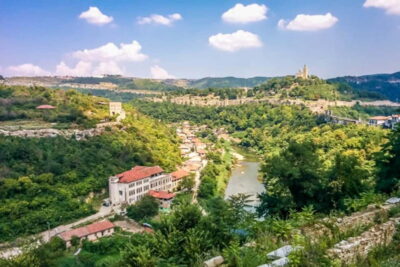
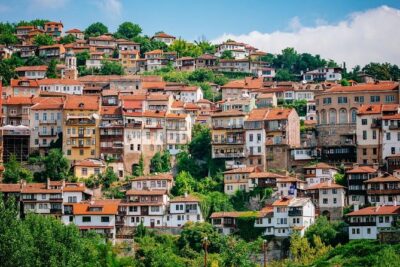
Day Trip to Medieval Bulgaria- Small group tour
Read our review →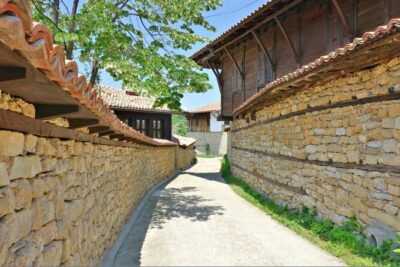
Bulgaria -Private Tour- Basarbovo, Arbanasi, Veliko Tarnovo
Read our review →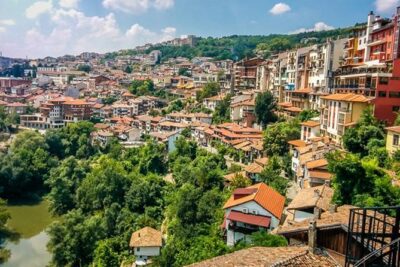
Browse the lists this tour appears in