
Reviewed · TRANSYLVANIA TOURS
Transylvanian week
A road map for Transylvania, minus the guesswork. This 6-day trip strings together UNESCO-listed fortified churches, major castles, and the Dracula legend trail, all starting from Bucharest. I like how the route has a clear theme of medieval power, Saxon towns, and Wallachian stories, so it does not feel like a random grab-bag of stops.
You’ll also get private transportation in an air-conditioned vehicle and 6 nights in 3-star superior hotels or guesthouses with breakfast included. Add in lunch, plus many admissions handled, and the logistics part stays pretty painless.
The main thing to watch is pace: the days are long, with multiple stops and check-ins, so you’ll want comfortable walking shoes and a flexible attitude.
In This Review
- Key things that make this tour click
- Bucharest pickup, private car comfort, and how the day really flows
- Cozia Monastery and Sibiu old-town climbs: the Wallachian and Saxon setup
- John Hunyadi at Corvin Castle and Alba Iulia fortress walls
- Biertan, Malancrav, and Sighisoara: fortified churches and Vlad’s birthplace zone
- Viscri and Prejmer fortifications, then Brasov with Rope Street in the mix
- Poiana Brasov cable car views, Bran Castle Dracula vibes, and Brasov’s Black Church
- Peles Castle in Prahova Valley, then Bucharest’s Stavropoleos Church
- Price and what you’re really paying for in this $2,166.68 tour
- How Gelu’s guiding style shows up in the real experience
- Who should book this Transylvanian Week, and who might skip it
- Should you book Transylvanian Week?
- FAQ
- How long is the Transylvanian week tour?
- What is the starting location?
- What does the price include?
- What is not included?
- Are admissions included for the main stops?
- Will I have a guide the whole time?
- Is the transportation private or group-based?
Key things that make this tour click
- A licensed guide for the Vlad the Impaler story, not just Dracula folklore
- Private car travel throughout, which makes small-route changes easier
- UNESCO fortified churches in several villages, not just one big-name site
- Sibiu and Brasov with guided old-town time, including key squares and sights
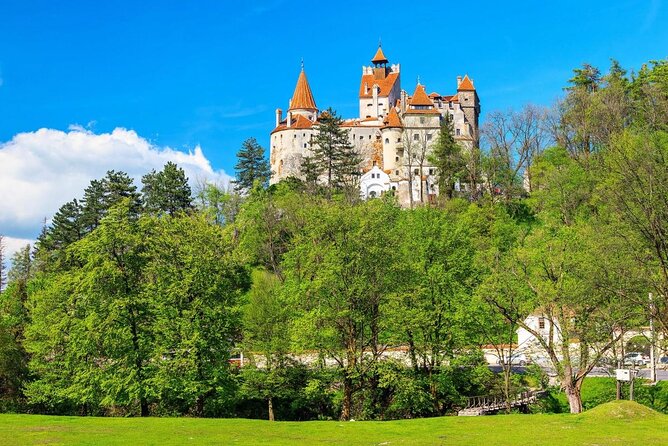
- Castles plus viewpoints, like Bran Castle and the high ride up to Poiana Brasov
Bucharest pickup, private car comfort, and how the day really flows
This tour starts in Bucharest, with pickup offered from your hotel or from the airport. That matters more than it sounds. If you land, hit traffic, then spend time figuring out where to meet and how to reach the next city, the “vacation feeling” can take a hit. Here, your first morning is built around getting moving quickly.
The plan is run by private transportation in an air-conditioned vehicle, and that tends to pay off on tours like this. Fortified towns and castle sites can sit in areas with limited public transport. Private driving means you spend more time at the sights and less time timing buses.
You are also traveling with a real guide, which helps you connect the dots between places. Sibiu is not just pretty plazas. Alba Iulia is not just a fortress. They connect through medieval politics, religion, and the mix of cultures in the region. That theme shows up across the whole route.
One more detail I appreciate: the tour uses a mobile ticket, which typically helps reduce ticket wrangling on the go. In a week where you’ll be visiting multiple churches, towers, and castles, small frictions add up. Less paper is a win.
Cozia Monastery and Sibiu old-town climbs: the Wallachian and Saxon setup
Day 1 starts with a historic anchor. Cozia Monastery, founded in 1388 by Mircea the Elder, places you in the Wallachian story of power. It also connects to the wider family tree leading toward Vlad the Impaler. Even if you come for Dracula, this is the part where the setting gets grounded in real medieval names and rulers.
The drive route through the Olt River Valley is one of those “you feel it in the car” stretches. You’re not stuck staring at a highway. It helps get you into the mood before you even reach the towns.
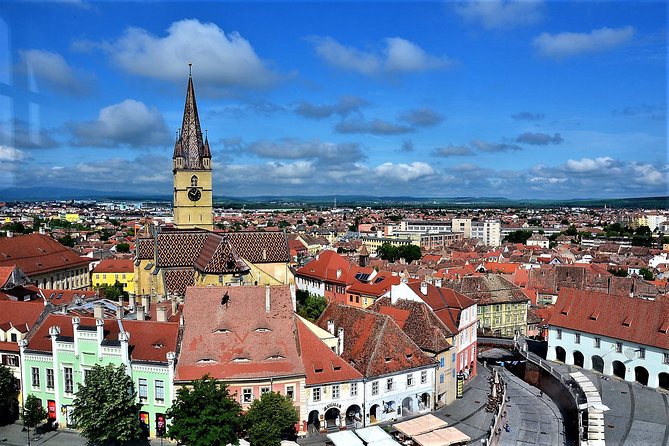
Then you go to Sibiu, with a guided walk through the old city. You’ll see the major squares, including Grand Square, Small Square, and Albert Huet Square (dating to the 12th century). You’ll also visit the Orthodox Cathedral and the Evangelical Church, which is a useful contrast for understanding how different religious communities shaped the region.
One practical highlight: Sibiu rewards effort. There’s a climb involved to reach a great view from the Council Tower area. If you’re the type who likes looking over a town to understand its layout, this is a smart early move. If stairs are an issue for you, plan your energy around that moment.
Day 1 ends with the first overnight in Sibiu, so you’re not rushing again that evening.
Castles, forests, and the region Dracula made famous
- Transylvania and Dracula Castle Full Day Tour from Bucharest★ 4.5 · 1,589 reviews
- Castles of Transylvania: Private Day Trip from Bucharest★ 4.5 · 248 reviews
- 2-Day Medieval Transylvania with Brasov,Sibiu and Sighisoara Tour from Bucharest★ 4.5 · 145 reviews
John Hunyadi at Corvin Castle and Alba Iulia fortress walls
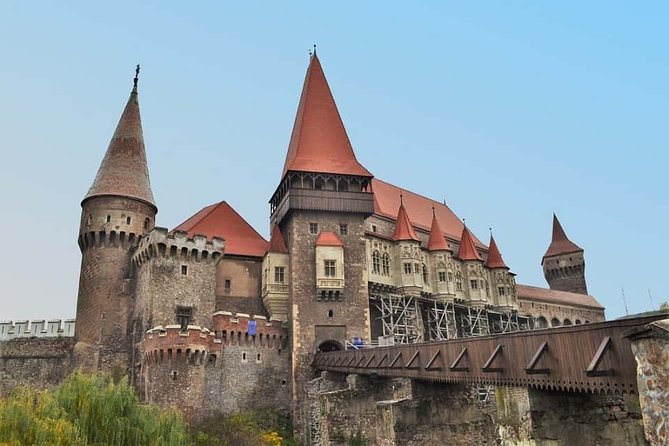
Day 2 is about medieval military leadership and the places where it left fingerprints. You start at Castelul Corvinilor (Corvin Castle) in Hunedoara, tied to the life and legacy of John Hunyadi. The story includes the ennobling of Voicu (Vojk) and how his son became a major figure in Hungarian leadership during turbulent times.
This stop matters because it gives you a big-name castle without keeping you on the surface. You’re not just looking at towers. You’re hearing why the castle existed, who it served, and how it connected to conflicts of the era.
After Corvin, you head to Cetatea Alba Iulia (Alba Carolina fortress). This is a heavy-hitting site for two reasons. First, it’s linked to John Hunyadi’s burial at Saint Michael Cathedral, with construction started in 1004. Second, the fortress includes additional layers, like the Orthodox Coronation Cathedral and the ruins of the Roman castrum of the 13th Gemina Roman Legion.
That Roman footprint is the kind of detail that makes the region feel older than just medieval folklore. You can leave the day thinking, “This place kept getting rebuilt by different powers.” That is the story Transylvania tells again and again.
Day 2 ends with your second overnight in Sibiu, which is a good setup for the next day’s UNESCO sites in the Sighisoara area.
Biertan, Malancrav, and Sighisoara: fortified churches and Vlad’s birthplace zone
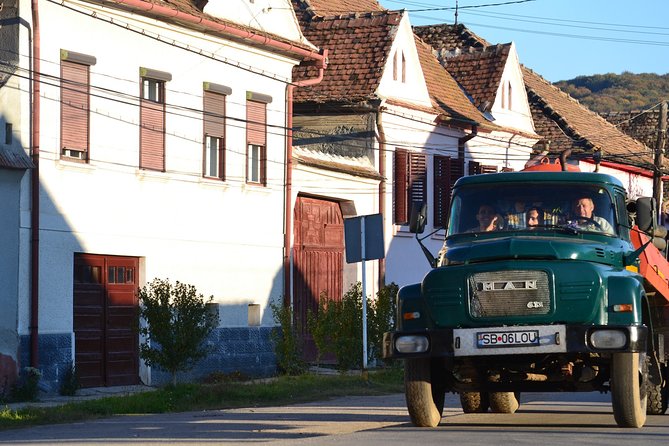
Day 3 focuses on a UNESCO-style cluster of fortified churches and Saxon-era sites, with plenty of time to slow down and absorb details.
You start with Biertan Fortified Church. These churches are not just places of worship. They were defensive structures, built for safety when the wider world got dangerous. That dual purpose is what makes them fascinating. You’re seeing architecture designed to survive, not just decorate.
Next comes Fortified Lutheran Church of Malancrav. This one stands out because it is described through its artwork and survival. The church has the largest Gothic church fresco in Transylvania, and the story goes further: the fresco was discovered during restoration in 1914, with layers of paint applied after the Lutheran reform. The fact that the medieval frescoes still survive gives the visit an added emotional punch. You get to see how religious change, restoration, and preservation all intersect in one building.
Then you end at Sighisoara. The citadel is UNESCO, and you’ll spend late afternoon and evening time there. You’ll visit the Clock Tower, and the route ties into the birthplace story of Vlad the Impaler. The payoff here is timing. Late day often means softer light and a more atmospheric citadel walk than midday rush.
A small consideration: this day includes multiple sites and some time in rural or countryside driving. If you’re the type who gets travel-sore, plan to use the ride time to hydrate and loosen up when you arrive.
Viscri and Prejmer fortifications, then Brasov with Rope Street in the mix
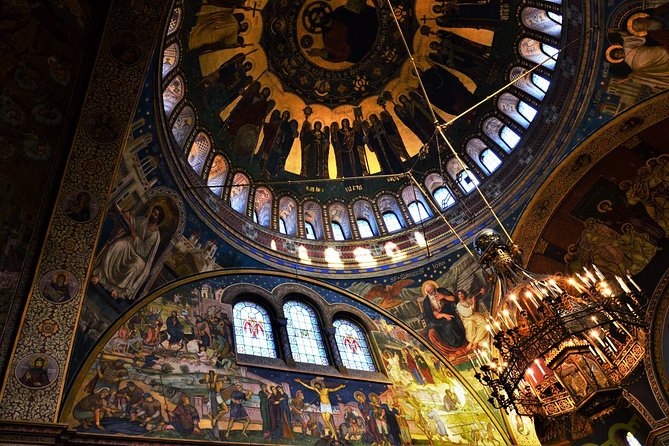
Day 4 begins with a viewpoint-and-fortified-church rhythm, then shifts into Brasov city time.
On the way from Sighisoara to Brasov, you first pass Saschiz fortified church, described as a UNESCO World Heritage monument built at the end of the 15th century, with a tower that reminds you of Sighisoara’s Clock Tower. This stop is helpful if you want the UNESCO feel without only doing big-name attractions. You notice patterns across towns: similar building logic, different local flavor.
Then you have time for lunch in Viscri, a remote village associated with Prince Charles, who fell in love with the place after buying an old Saxon household there. The tour notes his visits and the specific blue house linked to his connection, plus the idea that this region of fortified churches became famous after his involvement. Even if you care only lightly about royal stories, this gives Viscri a concrete place in modern cultural memory.
After lunch, you visit Viscri Fortified Church. Then, en route to Brasov, you catch sight of Rupea fortress, one of Romania’s oldest fortifications, built over preexisting Roman and Dacian fortresses. It’s the same “layers of power” theme, but with a different kind of payoff. Instead of walking inside, you’re seeing the presence of fortification sitting on top of older foundations.
In Brasov, you get a guided look at the historical center with fortifications, bastions, and towers. You’ll also see Rope Street, noted as one of the narrowest streets in Europe. For me, this is one of those spots where the scale hits you. Medieval streets were designed for a different world, and walking them makes that difference obvious.
If you prefer a city that feels easy to roam later, Brasov is a good base. You still get guided time, but you’re not packed into only one museum or only one square.
Poiana Brasov cable car views, Bran Castle Dracula vibes, and Brasov’s Black Church
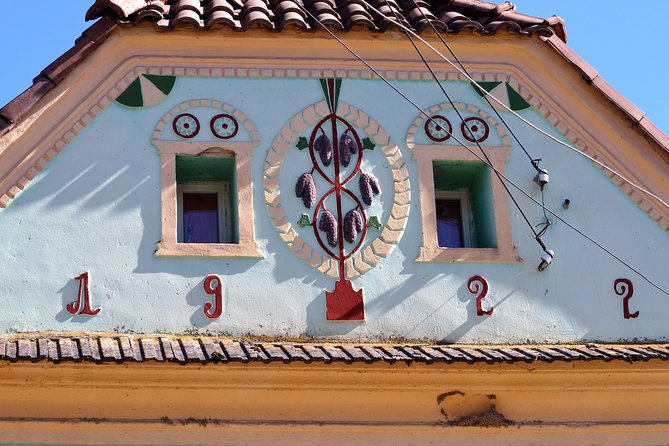
Day 5 is where the tour turns scenic. You head to Poiana Brasov and take a cable-car ride up to 1,722m near Postavaru Peak. The big qualifier is the weather: the tour specifically says views depend on conditions. If the sky is clear, you’ll be able to see the Carpathians and Transylvanian plateau, and that changes how you understand the region. Fortresses and towns suddenly make more sense when you see the hills and routes that connect them.
After that high-road scenery, you visit Bran Castle, built in the 14th century to guard a commercial route between Wallachia and Transylvania. The Dracula connection is clearly part of the narrative. Even if you take the legend with a grain of salt, Bran Castle is still a strong “why this place matters” stop because it sits right on a strategic rock position, with defenses on multiple sides.
On the way back, you admire Rasnov fortress from afar. This is a good “zoom out” moment after Bran, when you can see how fortifications were placed to control movement.
Then the day ends with a cultural anchor: Black Church (Biserica Neagra) in Brasov. You’re visiting an imposing Gothic church, which balances the castle day with something built for faith and city identity rather than border defense.
A practical note: this is another day where you’ll likely do both city walking and longer travel segments. Take breaks when you can, and avoid planning extra sightseeing after hours unless you know you still have energy.
Other day trips from Bucharest
- 7-Day Private Tour of Transylvania from Bucharest
★ 5.0 · 13 reviews - 4×4 Driving Experience at Flying Altitudes – 7 Days
★ 5.0 · 13 reviews - Amazing Romania – Seven day private tour from Bucharest
★ 5.0 · 7 reviews - 7-Day Romania Tour -Transylvania and Painted Churches
★ 5.0 · 7 reviews - 7 days Private Romania Grand Tour from Bucharest
★ 5.0 · 6 reviews
Peles Castle in Prahova Valley, then Bucharest’s Stavropoleos Church
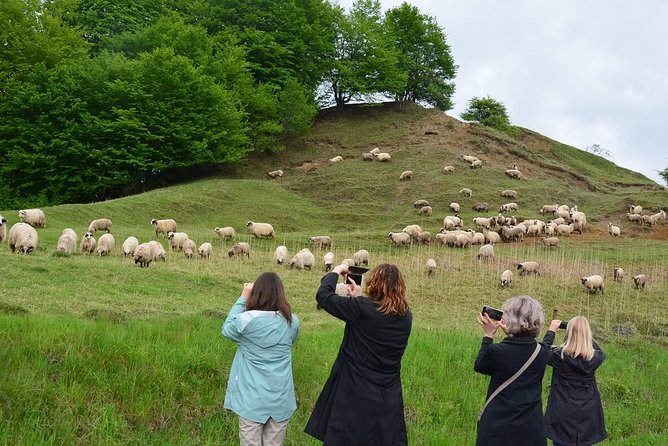
Day 6 is a smooth transition back toward Bucharest, with one major castle stop and one city church stop.
You travel from Brasov to Bucharest via the Prahova Valley, stopping in Sinaia for Peles Castle. This is a late-19th-century flamboyant royal castle, built for King Carol I. The contrast the tour highlights is part of the appeal: Carol I is described as sober, yet Peles Castle is visually dramatic. That kind of contrast makes the visit more than a simple “look at a castle” photo stop.
After Peles, you head to Bucharest. After check-in, you have time to let the Transylvania impressions settle. Then you get a guided evening visit to Stavropoleos Monastery, including the Stavropoleos Church built in 1724 in the heart of the city.
This last day is valuable because it closes the loop. After days of castles, fortifications, and legend, you end in the capital with a more intimate church stop and city guidance. It’s a nice way to avoid the “fly home right after the last big castle” feeling.
Price and what you’re really paying for in this $2,166.68 tour
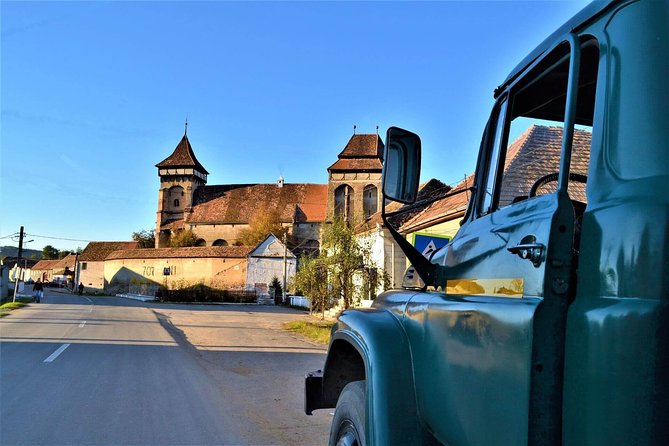
At $2,166.68 per person for roughly 6 days, this is not a budget escape. But it’s also not just paying for driving and ticket booths. You are paying for a guided sequence of major sites with reduced planning effort.
Here’s how the value case looks from what’s included:
- 6 nights in 3-star superior hotels or guesthouses, double occupancy, with breakfast included
- Lunch included (so at least one daily meal is covered)
- Air-conditioned vehicle and private transportation
- All fees and taxes included
- Admissions are noted as included at many key stops, while a few are listed as free or free-ticket items
And there’s a softer value that matters: continuity. One guide, one routing logic, and no need for you to chase timetables or coordinate separate tickets between towns.
A possible drawback in the value equation is the flip side of being non-refundable. If something changes on your side, this deal does not shift with you. It means you should book only when your dates are locked.
Also note what’s not included: meals beyond what’s stated, photo fees, and flight tickets. The big-picture advice is simple. Budget for dinners and snacks, and keep some cash for optional extras tied to your own pace.
How Gelu’s guiding style shows up in the real experience
This tour is strongly associated with its guide, Gelu Trandafir, and your experience is framed around licensed guidance and day-to-day problem solving. In the feedback shared, Gelu is described as extremely helpful from start to finish, knowledgeable, and able to adapt when situations pop up. One example given is that he supported a shopping detour for the group, which tells you something practical: the tour is not rigid in the way that ruins the day.
Another repeated theme is connection to everyday people and local hospitality. You’re not just passing by towns, you’re being introduced to people and places that make the region feel lived-in. The guide’s approach includes storytelling that helps you connect the sites to why they mattered.
Finally, there’s mention of strong map use and good route planning. That kind of practical attention helps most on a trip like this, where you’ll be switching cities, navigating old streets, and trying to keep the timeline straight.
If you like a guide who mixes facts with flexibility, this tour’s style seems to fit.
Who should book this Transylvanian Week, and who might skip it
This tour is a good fit if you want:
- castles and fortified churches, with the context explained
- a Dracula-related route that still includes real medieval history names and places
- private, air-conditioned transport that keeps the days efficient
- guided time in Sibiu and Brasov, not just roadside stops
You might want to skip or rethink if:
- you hate long days and want lots of downtime between stops
- you need a strictly self-paced itinerary with no guided structure
- your travel dates are uncertain, since the tour is non-refundable and cannot be changed
If you’re traveling as a couple, this format works well because you still get private routing with hotel comfort. If you’re a family group that can handle walking and stairs, it can work too, as long as everyone is okay with moving through multiple historic sites per day.
Should you book Transylvanian Week?
I’d book this tour if you want a clear, history-led route through Transylvania without doing the planning math yourself. The combination of UNESCO fortified churches, major castles like Corvin, Bran, and Peles, and guided town walks in Sibiu and Brasov makes it feel like a complete story, not a pile of highlights.
I would hesitate only if you are very sensitive to pace, or if your plans are likely to change. Otherwise, this is the kind of organized, private-guided week that lets you spend your energy on the sites, not on logistics.
If your goal is to leave with both memories and understanding, you’ll probably be happy you booked.
FAQ
How long is the Transylvanian week tour?
It runs for about 6 days.
What is the starting location?
The tour is based in Bucharest, Romania, with pickup offered at your hotel or at the airport.
What does the price include?
The package includes lunch, 6 nights in 3-star superior hotels or guesthouses with breakfast included (double room occupancy), private transportation in an air-conditioned vehicle, and all fees and taxes.
What is not included?
Meals beyond what is stated, photo fees, and flight tickets are not included.
Are admissions included for the main stops?
Many visits list admission as included, while a few stops are listed as free. The tour description notes admission handling by stop.
Will I have a guide the whole time?
Yes, the tour is described as being guided by a licensed tour guide.
Is the transportation private or group-based?
It is private transportation in an air-conditioned vehicle, and it is a private tour/activity for only your group.
Just Added: New Tours From Bucharest
- Bear Watching in Transylvania 2-Day Tour
- National Village Museum and Comana Adventure Park
- Half Day Tour in Bucharest
- From Dracula to Ceaușescu- Romanian Terror Stories tour
- Full-Day Private Tour of Brasov City and Peles Castle from Bucharest
- Bucharest: Tour The Wine Road, 2 Boutique Wineries in 1 Day
- Bucharest Ceaușescu House Parliament Palace &Village Museum
- Full-Day Private Tour of Bucharest and Mogosoaia Palace
Transylvania Tours, compared.
Transylvania and Dracula Castle Full Day Tour from Bucharest
Read our review →
Castles of Transylvania: Private Day Trip from Bucharest
Read our review →
2-Day Medieval Transylvania with Brasov,Sibiu and Sighisoara Tour from Bucharest
Read our review →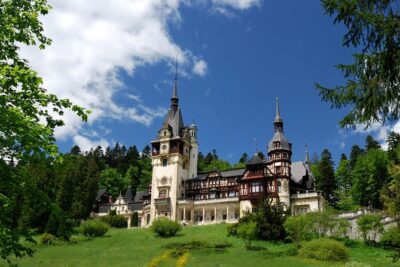
2-Day Transylvania from Bucharest: Brasov, Bran, Sighisoara
Read our review →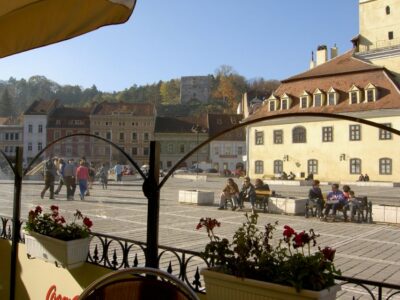
Transylvania: Cultural Full-Day Trip by Minivan
Read our review →
4-Day Private Tour in Transylvania from Bucharest
Read our review →
Private Tour: Transylvanian Castles and Brasov’s Medieval Old Town
Read our review →
Transylvania Castles 4-day tour from Bucharest
Read our review →Browse the lists this tour appears in