Reviewed · 7-DAY EXPERIENCES
7 days Private Romania Grand Tour from Bucharest
Romania hits you in chapters, not one big blur. This 7-day private grand tour strings together Transylvania towns, UNESCO churches, and famous castles with an efficient ride schedule from Bucharest.
I like the private setup because it keeps the pace realistic. You get your own driver and guide in an air-conditioned minivan, with hotel pickup and drop-off, so you spend less time figuring things out and more time watching the places change as the route climbs and turns.
One thing to consider: many of the church and castle stops have paid entrances depending on the site. Even with good inclusions like breakfast and accommodation, you should budget extra for tickets and plan for tips for the driver/guide.
In This Review
- Key highlights worth your attention
- How this private Bucharest-to-Transylvania tour works in real life
- Day 1: Cozia Monastery in the Olt Valley, then medieval Sibiu
- Day 2: Alba Iulia for 1918, Turda Salt Mine, and Cluj-Napoca
- Day 3: Şurdeşti’s wooden church, Barsana Monastery, and Vadu Izei
- Day 4: The Merry Cemetery and Bucovina’s painted monasteries
- Day 5: Piatra Neamt, Bicaz Gorges, and Red Lake
- Day 6: Sighisoara’s UNESCO center, Bran Castle, and Brasov
- Day 7: Peles Castle and a Bucharest panorama
- What you get for the price, and what you should budget for
- Who this private grand tour is best for
- Should you book this 7-day private Romania tour?
- FAQ
- What time does the tour start and how long is it?
- Is hotel pickup and drop-off included in Bucharest?
- Is this tour private, or will I join other groups?
- Are breakfasts included?
- Are entrance fees included?
- Is there a single room supplement?
Key highlights worth your attention
- UNESCO World Heritage churches across Transylvania, Maramures, and Bucovina, not just one region
- Maramures wooden architecture at Şurdeşti and Barsana, plus the eerie-but-fun Merry Cemetery
- Bicaz Gorges and Red Lake for big mountain scenery and legend-driven atmosphere
- Castles that match the hype, with Bran Castle and then Peles Castle, which feels like a serious craft project
- A private guide (including guides named Liviu, George, and Georg from prior trips) that helps you connect the dots fast
How this private Bucharest-to-Transylvania tour works in real life
This is the kind of tour that makes sense when you want variety without chaos. You start with hotel pickup in Bucharest and use one private, air-conditioned minivan for the whole circuit, so you are not constantly re-planning transfers. With a private guide and driver, you also get room to ask questions and adjust small moments on the fly.
The big value is that you are moving across distinct regions that normally take multiple trips to stitch together: Wallachia and Olt Valley, Transylvania towns, Maramures wooden churches, Bucovina’s painted monasteries, then the Carpathian mountain drama around Bicaz and Red Lake.
Still, keep expectations grounded. This is a day-by-day circuit, so you will spend a lot of time traveling. If you love long museum-style wandering, build in your own extra time in the evenings on your own. If you prefer seeing the “main map points” with explanations that make them click, you will like the rhythm.
Day 1: Cozia Monastery in the Olt Valley, then medieval Sibiu
Your first stop is Cozia Monastery in the Olt Valley. It is a Wallachian monument tied to Mircea Il the Old and later restored in the 17th century by the Cantacuzino family. The façade’s Armenian decorations are a rare detail, and inside you get richly frescoed interiors. Even if you are not a church buff, you can still appreciate how architecture carries politics, trade, and influence.
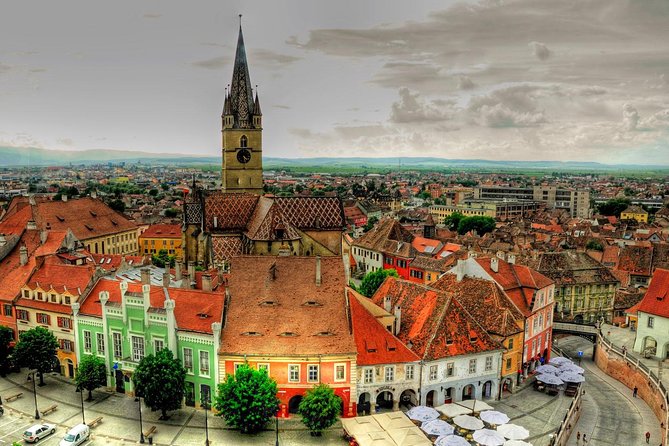
Then comes Sibiu, one of Romania’s medieval favorites. What I like here is the way the city’s religious history is written in plain sight. You get a sense of centuries of coexistence between Catholics, Orthodox, and Protestants through its religious monuments. Sibiu’s three squares, Big Square, Small Square, and Huet Square, help you feel like you stepped into a time capsule. And yes, the city is known for “houses with the eyes,” which is exactly the kind of detail that makes your photos look better than you expected.
A small consideration: the time in Sibiu is around a few hours. You will see the highlights, but if you want deeper museum time, choose your priorities and plan for it.
Other day trips from Bucharest
- 4×4 Driving Experience at Flying Altitudes – 7 Days★ 5.0 · 13 reviews
- 7-Day Private Tour of Transylvania from Bucharest★ 5.0 · 13 reviews
- Amazing Romania – Seven day private tour from Bucharest★ 5.0 · 7 reviews
Day 2: Alba Iulia for 1918, Turda Salt Mine, and Cluj-Napoca
Alba Iulia is a turning point for modern Romanian identity. The key story here is December 1, 1918, when the Great United Romania was made here after World War I. This stop works well because it gives context before you head deeper into Transylvania’s mix of cultures.
Next is the Turda Salt Mine, and it is a classic “wait, this is real?” stop. You descend about 400 feet before reaching the underground world. Inside, it is not just a cave tour. You can find an amphitheater, a bowling alley, an underground lake where you can paddle or row, and even a Ferris wheel. It is unusual in the best way, and the setting makes it feel more like a destination than a routine attraction.
Then you end with Cluj-Napoca. The star is St. Michael’s Church, with a statuary complex tied to King Mattia Corvino and his soldiers. Cluj also has a reputation as a university center with lectures in several languages, plus it is an important hub for Hungarian culture. That blend matters because it sets you up for why this region feels layered rather than one-note.
Practical tip: bring a light layer even in warmer months. Underground and church interiors can feel cool, and your comfort matters when the itinerary keeps moving.
Day 3: Şurdeşti’s wooden church, Barsana Monastery, and Vadu Izei
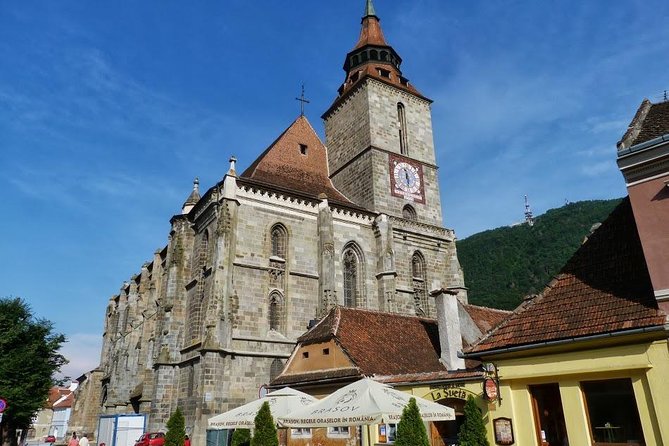
This is the day that makes Maramures feel like a different country. Şurdeşti’s wooden church is UNESCO-protected and was once the tallest wooden church in Europe, with a tower around 54 m and total height around 72 m (until a later church surpassed it). The double-eaved roof design is a distinctive detail, and it is the kind of feature you only appreciate when someone points out what is unusual.
Then you head to Barsana Monastery, also part of the UNESCO-protected Maramures World Heritage focus on stylized wooden architecture and tall spires. This is listed as a convent with sixteen nuns, and the spiritual tone plus the architecture makes it feel both human and monumental.
Finally, you reach Vadu Izei for a local washing mechanism called a valtoare, basically a natural whirlpool/vortex system installed on a fast mountain stream. The fun part is not just that it is practical. It is also tied to the idea of being a world’s first natural washing machine, according to the Academy of World Records. Even if you do not care about laundry history, it is an example of how people engineered daily life around the landscape.
Consideration: these stops are architecture focused. If you are only interested in castles, plan to keep your “wow” meter calibrated. Wooden churches and wooden craftsmanship can be just as absorbing once you understand what to look for.
Day 4: The Merry Cemetery and Bucovina’s painted monasteries
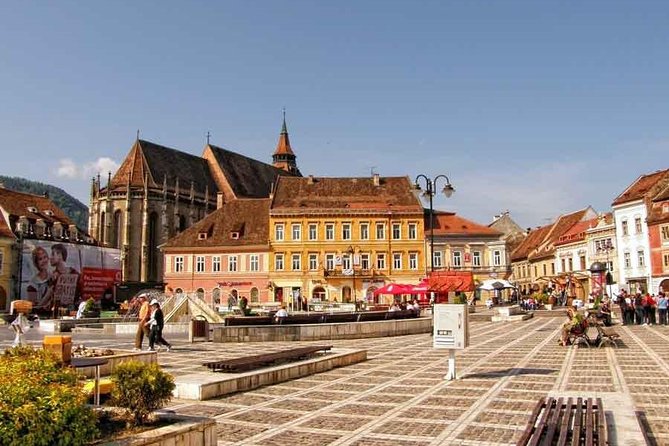
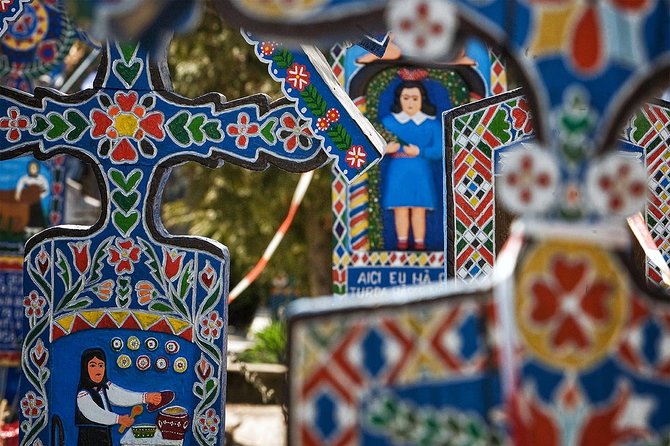
You start with Cimitirul Vesel, the Merry Cemetery in Săpânţa. It is striking and slightly darkly funny in the way only a folk tradition can be. Over 800 wooden crosses carry life stories, including the messy details and final moments of the people they mark. Bright images and annotated limericks turn death into a narrative you can read, which makes this stop one of the tour’s most emotionally memorable.
After that, you move into Bucovina’s painted monasteries, which are UNESCO World Heritage. Moldovita Monastery comes first. It was founded by Pietro Rares in the 16th century, and you get frescoes that enchant both inside and out. Then comes Sucevita Monastery, founded by the Movila brothers. Here you see Gothic and Byzantine elements merging into a Moldavian architectural style, and frescoes on the northern façade stay visible due to protective walls.
You also stop at Marginea for black ceramic work. This is one of those practical cultural additions that I really value because it does not feel like you are only watching monuments. You can enter the workshop to see how black ceramic is made through the working phases, and you can buy typical items, including painted eggs using traditional Romanian technique.
Then you finish the day with Voronet Monastery, another major painted monastery. Bucovina’s churches are famous for a reason: color and symbolism are built into the walls, not added later as decoration.
Small planning note: some monastery entrances are not included, so bring extra cash or a card ready for tickets.
Day 5: Piatra Neamt, Bicaz Gorges, and Red Lake
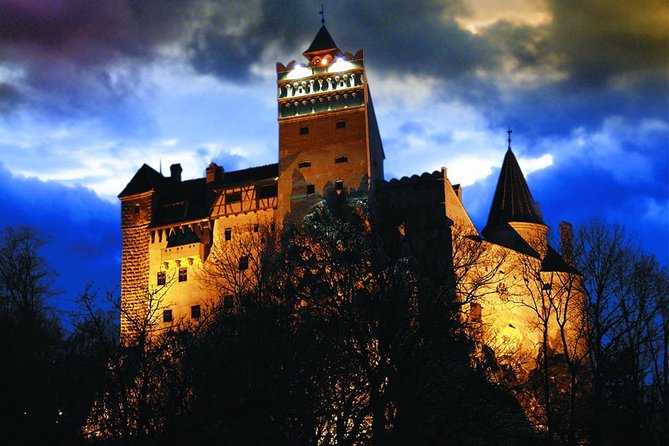
Piatra Neamt is a quick stop, but it has enough character to make it worthwhile. You get a view of the citadel tied to Stephen the Great, founded in the 15th century, plus an 18th century synagogue. The city’s position matters too, surrounded by mountains with lush vegetation. Even at short length, you can understand why this area attracts repeat visits.
Then you hit Bicaz Gorges, and this is where the scenery work pays off. The road runs between cliffs and a stream, with dramatic rock walls that can make you pause the first time you see them. Along the way there is a market area for typical handicrafts and souvenirs, which keeps the stop lively without turning into a theme park.
Next is Red Lake, formed after a landslide. The trunks of trees remain in the lake, and that detail helps explain the legends that grew around the lake’s name. This stop leans into story as much as sight, and it gives your day a different texture than the churches and towns.
Tip: if you care about photos, you may want to keep your camera ready before you arrive at the viewpoints, because light changes quickly in mountain areas.
These pair well with the day you just read about.
- Bucharest: Dracula’s Castle, Peles Castle, & Brasov Old Town
★ 4.5 · 17,858 reviews - Bucharest: Dracula Castle, Peles Castle & Brasov Old Town
★ 4.6 · 10,891 reviews - Bucharest: Dracula’s Castle, Peleș Castle & Brașov Day Trip
★ 4.4 · 6,100 reviews - Bucharest: Palace of Parliament Tickets and Guide
★ 4.3 · 3,182 reviews - Bucharest: Day Trip to Dracula Castle, Peles Castle & Brașov
★ 4.4 · 3,049 reviews
Day 6: Sighisoara’s UNESCO center, Bran Castle, and Brasov
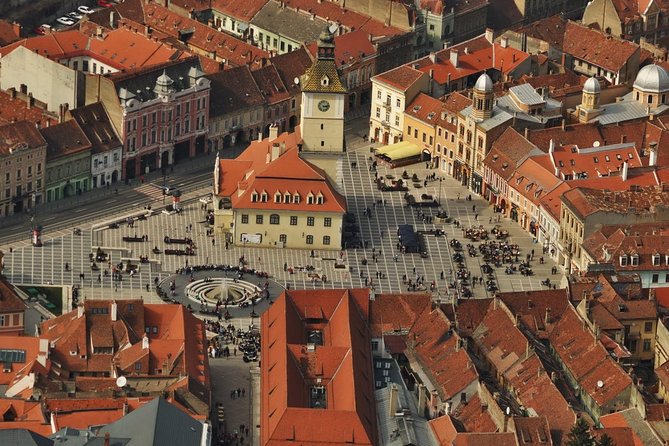
Sighisoara is a UNESCO historic center with a fortified old town vibe. You see the Clock Tower as a symbol of the city, and the streets connect churches of different cultures and faiths. It is also a place where the Dracula story fits into real medieval geography, not just a marketing poster.
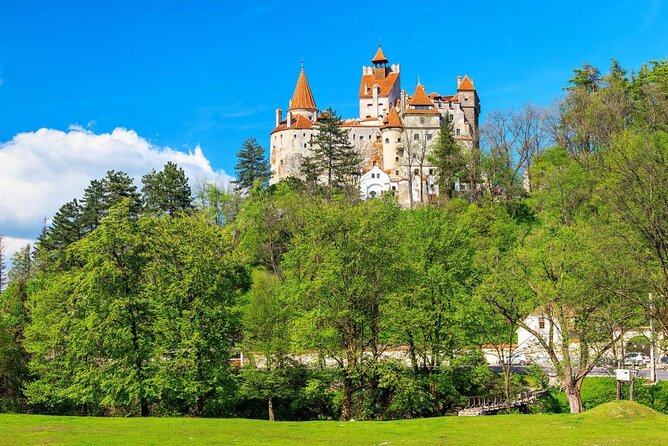
You then go to Bran Castle, commonly called Dracula’s Castle. This one matters historically because Bran once marked the border between Wallachia and Transylvania. That explains why a defensive stronghold existed there, and it keeps the visit rooted in place rather than only myth.
Then you move to Brasov’s historical center. Brasov has German architectural influence, with Gothic, Baroque, and Renaissance features layered together. You can also visit the Black Church. And the Schei district and the medieval city gates, including the Caatherine’s and Schei Gate, help you understand how people entered the city long before cars and maps.
One consideration: Dracula-themed stops can be crowded during peak season, so your enjoyment depends on timing and patience. With a private guide, you usually get better guidance on where to focus.
Day 7: Peles Castle and a Bucharest panorama
You end with Peles Castle, the summer residence of Romania’s first king, Carol I of Hohenzollern. I like Peles because it feels crafted, not just grand. The Czech architect’s influence shows in the variety of room styles, with each room having its own character. The Florentine room is singled out as an example of how Renaissance and Italian atmosphere show up in design choices.
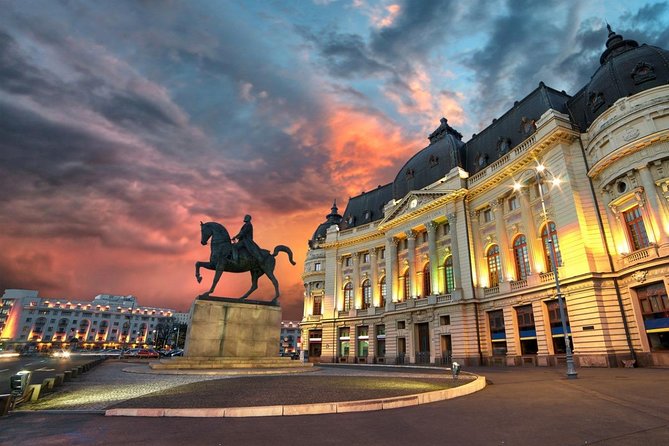
Then you head back to Bucharest for a panoramic tour. You see the Triumph Arch, the Romanian Athenaeum, Revolution Square, and the Parliament Palace from viewpoints that help you connect the landmarks to modern Romanian identity. It is a good finish because you start in Bucharest, you end in Bucharest, and you can feel how the trip’s themes return to the capital.
If you want a bit of flexibility after the final sights, ask your driver how long you will have in Bucharest before returning to your hotel, since the tour includes transport but not extra free time for long independent wandering.
What you get for the price, and what you should budget for
At about $1,719.59 per person, this is a mid-high range private tour. What makes it feel fair is the combination of private vehicle, driver/guide, hotel pickup and drop-off, and six breakfasts plus six nights of accommodation. That is not nothing. For a route that crosses multiple regions with UNESCO sites, one vehicle doing it all saves real money and time compared with DIY connections.
What to budget for: entrance fees are not consistently included. Some stops list admissions as free, while many monasteries, churches, and major attractions can require paid tickets. Since the price includes breakfast and accommodation but not all entrances, I recommend you set aside money specifically for admissions and any optional additions.
Also remember the single room supplement is 150 euro, paid locally. If you travel solo, this can change the total price more than you might expect, so decide early whether you are okay with it.
Finally, plan for meals. Breakfast is included, but lunch and dinner are not described as included. In Romania, eating well is easy, but it will still be an extra daily cost.
Who this private grand tour is best for
This tour fits you best if you want variety with guidance, not a checklist you race through on your own. I think it is a strong match for:
- People who want UNESCO sites across different regions, not just one “theme”
- Fans of architecture, churches, and the stories behind borders and identity
- Travelers who prefer a private setup and clear logistics, especially when moving between towns
- Couples, families, and individuals who like the feel of a route that is planned like a story
If you hate long car days or you only want castles, this route might feel like too much variety in too little time. But if you enjoy seeing how Romania changes from region to region, this circuit clicks.
And on the human side, past trips have highlighted guides such as Liviu and coordinators like George, with the kind of help that matters when conditions are unpredictable. That quality of guidance is often the difference between seeing sites and truly understanding them.
Should you book this 7-day private Romania tour?
Yes, if you want a private Romania route that covers the real heavy hitters, from painted monasteries and wooden churches to Bran and Peles, with pickup and a single vehicle doing the hard work. The value is strongest for people who appreciate explanations and want their time on the ground to feel structured.
Hold off or re-check your expectations if you are ultra-sensitive to entrance ticket costs, because admissions are not all included. Also consider whether you are happy with steady driving days. If you can handle that, you will likely come away with the sense that Romania is not one place. It is many places, all connected.
FAQ
What time does the tour start and how long is it?
The tour start time is 9:00 am, and the duration is approximately 7 days.
Is hotel pickup and drop-off included in Bucharest?
Yes, hotel pickup and drop-off are included, with transport by private vehicle.
Is this tour private, or will I join other groups?
This is a private tour/activity, so only your group will participate.
Are breakfasts included?
Yes. Breakfast is included for 6 mornings.
Are entrance fees included?
Entrance fees are not included overall, but some stops are listed as having free admission. You should plan for paid tickets at certain monasteries, churches, and major attractions.
Is there a single room supplement?
Yes. There is a supplement for a single room of 150 euro, paid locally in cash or by credit card.
Just Added: New Tours From Bucharest
- Bear Watching in Transylvania 2-Day Tour
- National Village Museum and Comana Adventure Park
- Half Day Tour in Bucharest
- Full-Day Private Tour of Brasov City and Peles Castle from Bucharest
- From Dracula to Ceaușescu- Romanian Terror Stories tour
- Bucharest: Tour The Wine Road, 2 Boutique Wineries in 1 Day
- Bucharest Ceaușescu House Parliament Palace &Village Museum
- Full-Day Private Tour of Bucharest and Mogosoaia Palace
7-Day Experiences, compared.
7-Day Private Tour of Transylvania from Bucharest
Read our review →
4×4 Driving Experience at Flying Altitudes – 7 Days
Read our review →
Amazing Romania – Seven day private tour from Bucharest
Read our review →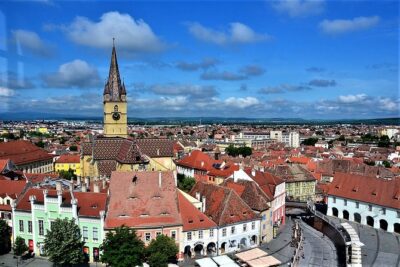
7-Day Romania Tour -Transylvania and Painted Churches
Read our review →
7 Days Private Guided Tour in Romania from Bucharest
Read our review →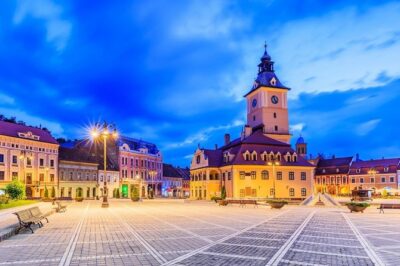
7-Day Dracula Tour in Romania from Bucharest including ‘The Ritual of Killing of a Living Dead’
Read our review →