
Reviewed · MARAMURES TOURS
6-Days Transylvania & Wooden Churches of Maramures from Bucharest
Transylvania can feel like a movie set, but this route is practical. You get an English-speaking guide, included lodging in Maramures, and a tight mix of Orthodox sites, UNESCO church stops, and big-name castles. I especially liked the small-group feel, max 8 travelers, and the way guides like Marius, Andrei, and Paul kept the day moving while still making time for real explanations. My one caution: the trip is fast and there is a lot of driving, so it helps to bring patience and comfy shoes.
Two dinners and guided time in places like Barsana Monastery and the UNESCO fortified churches make this tour more than a checklist. Still, not all your lodging is included, and entrance fees are not included (plan for about 50 euros per person), so it costs a bit more than the headline price once you add day-to-day expenses.
In This Review
- Key highlights worth planning for
- Six days, four regions, one fast rhythm from Bucharest
- Getting to the road: meeting point, minivan touring, and small-group reality
- Day 1: Curtea de Arges Monastery, Transfagarasan highway, and Sibiu’s old squares
- Day 2: Alba Iulia’s citadel layers and Breb in Maramures
- Day 3: Barsana, wood carvers, a whirlpool stop, and the Merry Cemetery
- Day 4: Sighisoara’s medieval streets and Vlad Dracula birthplace connection
- Day 5: UNESCO fortified churches at Biertan and Viscri, then Brasov highlights
- Day 6: Bran Castle reality check and Peles Palace on the Carpathian road
- Price and what you’re really paying for
- Pacing, seasonal road changes, and practical tips that help
- Who this tour suits best, and who should skip it
- Should you book 6-Days Transylvania & Wooden Churches of Maramures from Bucharest?
- FAQ
- What time does the tour start, and where do I meet?
- How many travelers are on this tour?
- What meals and accommodations are included?
- Are entrance fees included in the price?
- What happens if the Transfagarasan Road is closed?
- Is there a vegetarian option?
- What is the cancellation policy?
Key highlights worth planning for
- Small group (up to 8), which makes the long drives feel easier and more personal
- Maramures house dinners and a Breb stay included, including a traditional-wood-house experience
- Wooden churches day with hands-on cultural stops, including wood-carving and local crafts
- UNESCO fortified churches at Biertan and Viscri, plus a guided walk through Brasov
- Transfagarasan Highway timing matters, with an Olt Valley alternative if closed
- English guide and live commentary on the minivan for constant context
Six days, four regions, one fast rhythm from Bucharest
This is a true “big-scope” trip. In about a week, you cover Wallachia links and then slide into Transylvania, with a full day dedicated to Maramures wooden-church culture and several stops that each represent a different layer of Romanian identity. If you like seeing variety, this works.
The biggest value for you is that the tour doesn’t just drop you at famous places. You get guided time at key sites like Curtea de Arges Monastery, Alba Iulia’s citadel area, and the fortified churches at Biertan and Viscri. That guidance matters because so many of these places are visually stunning but easy to misread if you only rely on your own guesswork.
One practical note: because it is a whirlwind, this is not the kind of tour where you can wander for hours on your own in every town. You’ll have free moments, but most of your time is structured, with a “see it, understand it, move on” rhythm. That suits quick learners and history-minded travelers, not people who want slow travel.
Getting to the road: meeting point, minivan touring, and small-group reality
You start at Hilton Garden Inn, Strada Doamnei 12, București 030055, at 8:00 am. You end back at the same meeting point, which is a relief when your last day includes Bran Castle and Peles Palace before returning to Bucharest.
The tour uses a minivan, with live onboard commentary and a professional English-speaking guide. That pairing is a big deal on a route like this. You’re not stuck staring out the window with silence, and the guide can explain what you’re about to see before you arrive.
Also, the max group size is 8 travelers. Even though the tour is described as private for flexibility, the practical takeaway is this: you’re unlikely to feel like you’re part of a giant herd. In the driving-heavy parts, that extra breathing room can make a long day feel manageable.
Wooden churches carved without a single nail
Day 1: Curtea de Arges Monastery, Transfagarasan highway, and Sibiu’s old squares
Day 1 is about leaving Bucharest behind and heading toward Transylvania with a couple of stops that set the tone.
First comes Curtea de Arges Monastery, a Moorish style Orthodox church. The guide time here is short, about 20 minutes, and admission is free. Still, it’s a useful “tone-setter” because it gives you a quick look at the Orthodox architectural identity you’ll keep seeing across the route.
Then, if conditions allow, you move toward Sibiu via the Transfagarasan Highway. This is where timing matters. The road is open only June to October. If it’s closed, the tour switches to the Olt Valley River Road instead. Either way, you’ll be driving toward Sibiu and arriving in the afternoon.
Once in Sibiu, you get a guided walking tour focused on the Old Town, including the Big Square and the Small Square. This is a smart way to start, because Sibiu’s center helps you reset after a long travel day. You’ll get enough orientation to feel like you can picture the town even after the tour moves on.
Day 2: Alba Iulia’s citadel layers and Breb in Maramures
After breakfast, you head to Alba Iulia, a place where different eras sit in the same physical space. It’s described as a well preserved town showing medieval and ancient history together. The Romans built the area to protect nearby gold mines after conquering the region, and Alba Iulia also connects to a more modern turning point, since the unification of Romania was signed here in 1918.
You also get guided time looking at spots inside the citadel area, including the Orthodox Monastery and the main gates. The payoff is that Alba Iulia is not just one landmark. It’s a whole defensive city layout, and the guide helps you read it.
From there, the next stop is Corvin Castle, presented as one of the most emblematic castles in the region. You reach Maramures in the afternoon, staying in Breb Village in a traditional wooden house. For many people, this is the most memorable shift of the whole trip, because Maramures doesn’t feel like another photo stop. It feels like a different way of living, even if you’re only there for a short stay.
Day 3: Barsana, wood carvers, a whirlpool stop, and the Merry Cemetery
This is the day that most directly delivers on the Wooden Churches promise. It’s also the day where you’ll feel the culture in your hands, not just in your eyes.
You start at Barsana Monastery, highlighted as one of the most important monasteries in the area. Time here includes an explanation tied to local culture and wood carving skills. It’s not only about looking at the monastery, it’s about learning how the wood tradition supports the artistic and religious identity of Maramures.
Next is the wood carver stop, featuring one of the few craftsmen of the area. If you’ve ever wondered how those intricate wooden details get made, this is the closest thing you get on the trip to a “craft lesson” style moment. It’s about seeing technique, not just admiring the result.
Then you visit Muzeul Tarancii Romane at Dragomiresti Museum. The focus is on Maramures culture through a local perspective, including a traditional house with traditional belongings. This kind of stop is valuable because it shows how everyday life shaped the look and feel of the region.
After that comes a stop at a local whirlpool spot, described as a place where locals used to wash clothes and rugs. It’s practical, slightly odd, and that’s why it sticks. It gives you a concrete mental picture of daily routines, which is often missing from purely scenic tours.
You finish at the Merry Cemetery, built in 1947. Your guide shares funny stories about people buried there, shifting the usual grief-heavy cemetery mood toward a more playful approach to life after death. It’s one of those stops that can sound strange until you’re sitting there and hearing the stories.
Day 4: Sighisoara’s medieval streets and Vlad Dracula birthplace connection
Day 4 shifts you back toward central Transylvania with Sighisoara. This town is described as well preserved, with a fairytale look. It’s also listed as the birthplace of Vlad Dracula, and Sighisoara draws visitors for that connection as well as its medieval street layout.
You’ll do a guided walking tour of about 3 hours. The key benefit here is pacing. Sighisoara’s center can be confusing if you’re just wandering, but a guided route helps you spot the parts that matter and understand why they’re worth your time.
One caution: this is still a guided walk, so if you love spontaneous detours, you may feel slightly constrained. The advantage is you’ll return with a clearer mental map than you would by going solo and taking random turns.
Castles, forests, and the region Dracula made famous
- Transylvania and Dracula Castle Full Day Tour from Bucharest
★ 4.5 · 1,589 reviews - Castles of Transylvania: Private Day Trip from Bucharest
★ 4.5 · 248 reviews - 2-Day Medieval Transylvania with Brasov,Sibiu and Sighisoara Tour from Bucharest
★ 4.5 · 145 reviews - 2-Day Transylvania from Bucharest: Brasov, Bran, Sighisoara
★ 5.0 · 60 reviews - Transylvania: Cultural Full-Day Trip by Minivan
★ 4.8 · 57 reviews
Day 5: UNESCO fortified churches at Biertan and Viscri, then Brasov highlights
Day 5 is packed with big culture hits.
First up is Biertan Fortified Church, a UNESCO Heritage site. It sits on top of a hill with views over the village, and it’s described as a former church built in medieval times. Your guide spends time explaining why it is so well known and walking you through the historical context.
After Biertan, you go to Viscri Village, also tied to UNESCO. Viscri is presented as one of the most well preserved Transylvanian villages. The connection to Prince Charles is explicit here, since the tour notes that he bought several houses in the village. You’ll stroll through the village and also visit the fortified church. There is an optional chance to try a local traditional lunch, but it’s own expense.
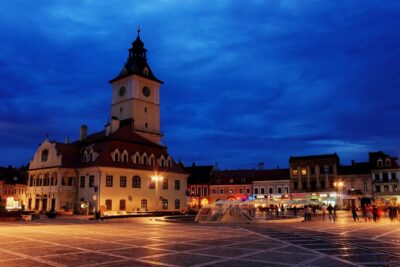
Then you head to Brasov for an afternoon/evening-style walking tour. You pass the Black Church, hear history behind it, see Council Square, and walk by the main former gates. This is a good close to the week because it ends your route with a lively urban feel, not just castles and churches.
Day 6: Bran Castle reality check and Peles Palace on the Carpathian road
Your final day hits two of Romania’s best-known sights.
First is Bran Castle, also called Dracula’s Castle in common travel talk. The tour frames Bran as a 14th century custom point between Transylvania and Wallachia. Inside the castle, you’ll join the guide to learn more about the real story behind Vlad Dracula and Bran Castle, plus you can check out the market in front of the castle for souvenirs.
After Bran, you travel through the Carpathian Mountains, passing ski resorts until you reach Peles Castle in Sinaia. Peles is described as a magnificent palace built in the 19th century by the first king of the country, often referred to as the Pearl of the Carpathian. You enter and explore the palace with the guide, focusing on details across the rooms.
Once Peles is done, you head back to Bucharest and the service ends back at the meeting point.
If you’re thinking about energy level, this day is the biggest test. It includes castle time in the morning, palace time later, plus the drive back. If you’re traveling with a tight schedule, plan a calm first night in Bucharest after you return.
Price and what you’re really paying for
The tour price is $2,247.56 per person for 6 days (approx.). That number is easier to evaluate when you compare what’s included versus what’s not.
Included in the package:
- Professional English-speaking guide and live commentary
- Transport by minivan plus fuel surcharge
- All accommodations included for two nights in the Maramures region
- 2 homemade dinners in a Maramures house
- Breakfast (listed as 2) and also described as daily in the overview (worth confirming how many full breakfasts you get each day when you book)
- Local taxes
Not included:
- Entrance fees, listed as 50 euros per person
- Photo fees
- Other meals and drinks unless specified
- Overnight accommodations in Sibiu, Sighisoara, and Brasov are not included
So the “value math” looks like this: you’re paying for guided touring plus a high-cost cultural region stay and meals. You’re also paying for convenience, because a lot of driving between these towns would be stressful to organize yourself in a short window.
For your budget, I’d plan two separate lines: the tour price, then a second budget for entrances and any extra meals, plus lodging in the non-included cities. If you’re a solo traveler, there’s a single supplement of 100 euros per room for the Maramures region.
Pacing, seasonal road changes, and practical tips that help
This route is doable, but it’s not “slow and scenic.” You’ll need moderate physical fitness, mostly for walking at city centers and navigating uneven outdoor areas around castles and churches.
Also, the Transfagarasan Highway condition matters. The tour is explicit: it’s open only June to October. If it’s closed, you go via the Olt Valley River Road. That affects your drive style and your timing. You should treat the day as flexible and go with the flow.
On the practical side:
- Wear comfortable shoes, because you’re walking multiple historic centers.
- Expect frequent guided explanations that are part of the experience, not just add-ons.
- Bring cash or card for meals and souvenirs if you want them, since other meals/drinks are not included.
One more small planning detail: photo fees are not included. If you rely on photography inside religious sites and historic interiors, budget for that possibility rather than assuming everything is free.
Who this tour suits best, and who should skip it
This tour is a great match if you:
- Want a big Romania sampler in a short amount of time
- Like guided context at major sites, from Orthodox monasteries to UNESCO fortified churches
- Enjoy culture stops beyond the main castle photos, especially the Maramures wood-carving and wooden church focus
- Prefer a small group pace over huge bus tours
You might think twice if you:
- Hate driving days or long transfers
- Want hotel nights in every town included, because only the Maramures overnight lodging is included
- Travel only with strict meal needs and want every meal covered, since other meals and drinks are not included
Should you book 6-Days Transylvania & Wooden Churches of Maramures from Bucharest?
If you want a route that balances famous names with real regional culture, I’d book it. The included Maramures house dinners, the wooden-church day, and the UNESCO fortified churches give you standout “Romania identity” moments instead of only castle-hopping.
Do it if you can handle a fast pace and you’re willing to budget for entrances and extra city hotel nights. If that sounds like your style, this is a strong value way to cover a lot of ground with a guide who keeps the story clear and the day organized.
FAQ
What time does the tour start, and where do I meet?
It starts at 8:00 am at Hilton Garden Inn, Strada Doamnei 12, București 030055, Romania. The tour ends back at the same meeting point.
How many travelers are on this tour?
The tour has a maximum of 8 travelers.
What meals and accommodations are included?
The tour includes 2 nights of accommodation in the Maramures region, plus 2 homemade dinners in a Maramures house. Breakfast is listed as included (Breakfast 2), and the overview also describes breakfast daily, so it is worth confirming the exact breakfast schedule when you book.
Are entrance fees included in the price?
No. Entrance fees are not included and are listed as 50 euros per person. Photo fees are also not included.
What happens if the Transfagarasan Road is closed?
Transfagarasan Road is open only between June and October. If it is closed, the tour uses an alternative route via the Olt Valley River Road.
Is there a vegetarian option?
Yes. A vegetarian option is available, and you should advise the provider at the time of booking.
What is the cancellation policy?
You can cancel up to 3 days in advance for a full refund. If you cancel less than 3 full days before the experience’s start time, the amount paid is not refunded.
Just Added: New Tours From Bucharest
- Bear Watching in Transylvania 2-Day Tour
- National Village Museum and Comana Adventure Park
- Half Day Tour in Bucharest
- From Dracula to Ceaușescu- Romanian Terror Stories tour
- Full-Day Private Tour of Brasov City and Peles Castle from Bucharest
- Bucharest: Tour The Wine Road, 2 Boutique Wineries in 1 Day
- Bucharest Ceaușescu House Parliament Palace &Village Museum
- Full-Day Private Tour of Bucharest and Mogosoaia Palace
Maramures Tours, compared.
Classic Romania Tour – small group in 8 days: Transylvania and Maramures
Read our review →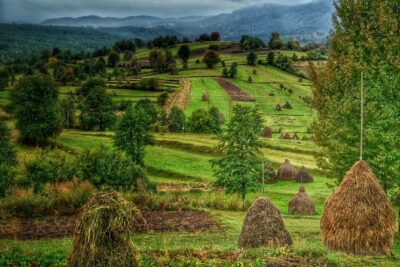
A Journey Back in Time: Countryside from Transylvania and Maramures – 15 Days
Read our review →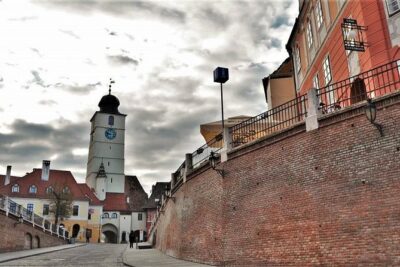
Your rendez-vous with Europe’s past: time-travel to Maramures, Transylvania
Read our review →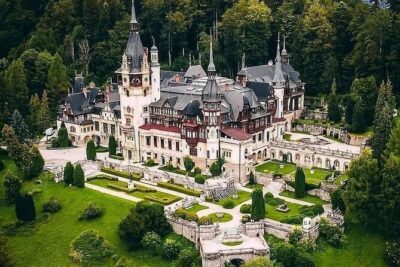
Private 7-Day Tour in Transylvania, Maramures and Bucovina from Bucharest
Read our review →6-Days Transfagarasan, Transylvania & Maramures Wooden Churches from Bucharest
Read our review →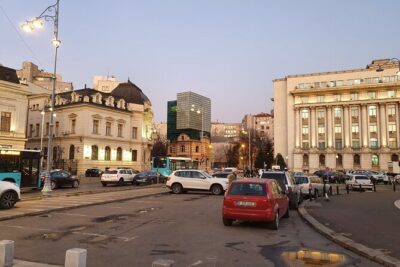
8 Days Private Tour in Romania – Transylvania, Maramures & Moldova
Read our review →Browse the lists this tour appears in