
Reviewed · MARAMURES TOURS
Classic Romania Tour – small group in 8 days: Transylvania and Maramures
Eight days, two regions, one Romania story. This small-group tour pairs Transylvania castles with Maramures wooden villages, with your guide handling the driving and the day flow. You start in Bucharest, then you work your way through Saxon towns, star-shaped fortresses, and some of Romania’s most eye-catching UNESCO sites.
I love how much is packed in without feeling like a sprint, with walking tours in places like Sibiu and Brașov that make the cities click fast. I also like the contrast between legend-heavy stops like Bran Castle and the quietly unforgettable oddball experience of Săpînţa’s merry cemetery, plus a real folkloric dinner day.
One possible drawback to plan around: the Palace of the Parliament is closed until June, so your tour replaces it with the Spring Palace.
In This Review
- Key highlights to look for
- Bucharest Old Town and Parliament scale, without the usual hassle
- Olt Valley monasteries and the road trip that changes with the season
- Sibiu walking tour and the Bridge of Lies payoff
- Cluj to Alba Iulia: cathedrals, markets, and a star-shaped fortress
- Turda Salt Mine and why it’s more than a photo spot
- Maramures timber villages and Săpînţa’s bright cemetery story
- Wooden churches UNESCO day: Poienile Izei and Barsana
- Biertan fortress church, then Sighișoara’s medieval climbs
- Viscri Prince Charles house and a calmer kind of Romania
- Brașov Old Town plus Black Church, then Bran and Sinaia
- Final Bucharest walking tour and how to use your last hours well
- Price and pace: what $2,339.64 buys you, and what to expect from the schedule
- Should you book Classic Romania Tour: Transylvania and Maramures?
- FAQ
- What time does the tour start?
- Is pickup and airport transfer included?
- How many people are in the group?
- What kind of guide do I get?
- Are any meals included?
- Which major sights might change due to closures or seasons?
- Is there a horse-drawn carriage experience?
- What about hotel rooms and single supplements?
- What is the cancellation window for a full refund?
Key highlights to look for
- Small group size (max 6 people) means a more personal pace, with time to ask questions and slow down in squares.
- Private guide plus door-to-door transport from Bucharest reduces stress and turns long drives into a guided route through the country.
- UNESCO stops that go beyond photos: the wooden churches in Maramures and fortified churches like Biertan.
- Big-name castles plus local details: Bran and Peles, alongside Bridge of Lies fun and the Turda Salt Mine photo moment.
- Guide flexibility with real expertise: Valentin Val Nan has been praised for adapting the schedule, even adding stops like Konstanza and Histria when possible.
Bucharest Old Town and Parliament scale, without the usual hassle
Your trip begins with pickup and a Bucharest city tour that sets up Romania’s modern push-pull between East and West. First comes the Palace of the Parliament area, but there is an important heads-up: it is closed until June, and the tour replaces it with the Spring Palace. Either way, you get the same lesson in Romanian politics through architecture: huge, ambitious, and very imposing.
After the government-scale sights, you’ll move into the Old Town, where Bucharest shows its practical side and its nightlife personality. This part matters because it helps you understand the city as a living place, not a museum.
Even with a first-day overview feel, you’ll still have a chance to get your bearings before checking in. That matters on a multi-day route where you’ll be switching regions, hotels, and walking tempos.
Olt Valley monasteries and the road trip that changes with the season
Leaving Bucharest, you start with Curtea de Argeș Monastery at the foot of the Carpathians. It’s a strong opening because monasteries here are not just pretty buildings, they are anchors of Romanian identity, art, and continuity over centuries.
Then comes the Olt Valley drive, built around stopping at Cozia Monastery to see medieval architectural style in a dramatic setting. There is a seasonal swap to know: mid June to early November, the tour replaces the Cozia stop with a road trip on Transfăgărășan. Either version gives you that sense of “this is why people settled here,” with religion and geography tied together.
If you like when a trip explains meaning instead of just naming places, this day is one of the better fits. The route is also a nice rhythm change before you hit the busier medieval towns.
Wooden churches carved without a single nail
Sibiu walking tour and the Bridge of Lies payoff
Sibiu is where the tour’s Transylvania identity really clicks. You’ll start with a walking tour through the Main Square, taking in key landmarks tied to the city’s multicultural past. The Brukenthal Museum building and the Roman Catholic Cathedral shape the skyline, while Huet Square and the Evangelical Church add a different layer.
Then you get the Bridge of Lies moment, one of those stops that’s simple but memorable. It’s the kind of place where you’ll learn the local flavor in a few minutes, then you’ll remember it later when you’re comparing towns.
This day hits a sweet spot for pace, and it’s why Sibiu is often a favorite stop for people who like streets and squares. You are walking, but you’re not stuck in a long museum loop.
Cluj to Alba Iulia: cathedrals, markets, and a star-shaped fortress
Day three and day four lean more into cities and big “Romania-scale” sights. In Cluj-Napoca, you start with key visuals like St Michael’s Gothic Cathedral overlooking the central square, Banffy Palace, and Mirror Street. This is the part of the tour that helps you see modern Romania beyond the fairy-tale castles.
You also get a more rural, traditional contrast right after Cluj with Sibiel, a village described as well-preserved. That blend works well because it breaks up what could otherwise feel like nonstop travel between major stops.
From there, you head to Alba Iulia to visit the largest fortress in Romania, surrounded by 12 km of walls and built in a star shape. The Alba Carolina Fortress has layers of use, from Roman fort to medieval fortress and later a Vauban type citadel with bastions. This is a day where the fortifications are not just “walls,” they are the story of changing military thinking.
If you like history but want it tied to real shapes and spaces, the fortress geometry helps. You can actually see why the builders chose those lines.
Turda Salt Mine and why it’s more than a photo spot
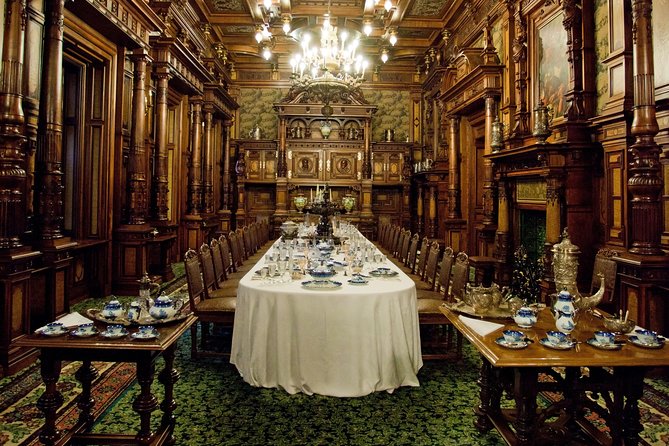
You’ll stop at Turda Salt Mine, and yes, it is famous for photos. But it is also one of the better “reward moments” on the whole route because it feels like stepping into a different world underground.
The mine is carved in salt and includes galleries and huge halls, with one hall listed as 118 meters tall and a lake at the bottom. Even if you do not care about mining history, the scale and lighting create that otherworld feeling the tour is aiming for.
This stop also balances the day, since you’ve gone from fortress geometry into city streets, then into a completely different type of architecture. It’s a good reminder that Romania’s heritage is not only outdoors and medieval.
Maramures timber villages and Săpînţa’s bright cemetery story
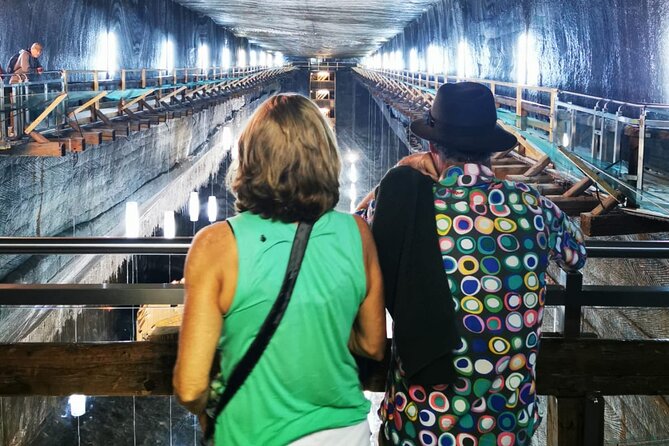
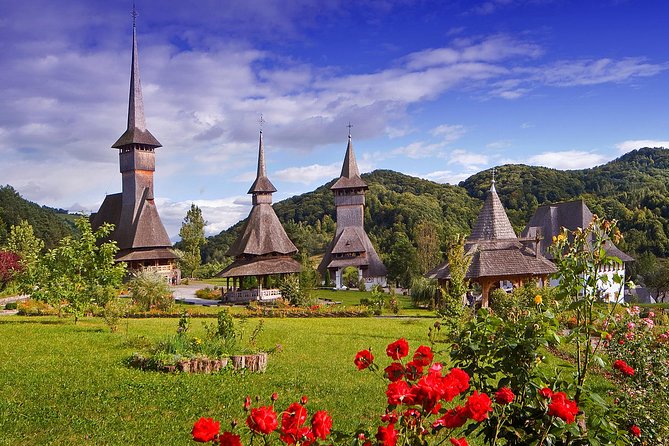
Once you head into the northwestern region of Maramures, the tour shifts from castles and walls into something more intimate. You’ll be in an area described like an open-air museum, known for wooden houses and traditions shaped by long-term hardship and community rules.
In Breb, you explore one of the best preserved traditional villages and visit an authentic house to see how people lived. This is also where the tour adds small human touches like spending time with locals and understanding daily life through the home itself.
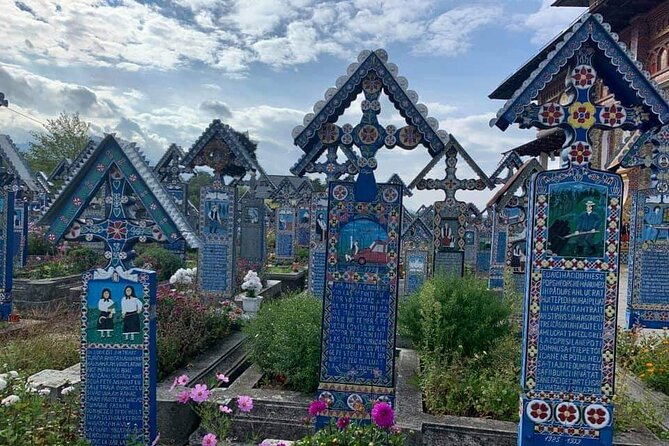
Later you reach Săpînţa, home to the world’s only community with a merry cemetery. Instead of plain gravestones, you see wood carved crosses painted in bright colors, with humorous quatrains inspired by the lives of those no longer with us.
This is one of those places where the emotional tone is part of the architecture. You leave with a different sense of Romanian humor and respect.
Your day also includes a Romanian traditional dinner and folkloric show, which is a solid way to keep the cultural immersion going after hours of sightseeing. If you enjoy live music and dance, this is an evening to plan for, not to rush through.
Castles, forests, and the region Dracula made famous
- Transylvania and Dracula Castle Full Day Tour from Bucharest
★ 4.5 · 1,589 reviews - Castles of Transylvania: Private Day Trip from Bucharest
★ 4.5 · 248 reviews - 2-Day Medieval Transylvania with Brasov,Sibiu and Sighisoara Tour from Bucharest
★ 4.5 · 145 reviews - 2-Day Transylvania from Bucharest: Brasov, Bran, Sighisoara
★ 5.0 · 60 reviews - Transylvania: Cultural Full-Day Trip by Minivan
★ 4.8 · 57 reviews
Wooden churches UNESCO day: Poienile Izei and Barsana
The next highlight zone is all about UNESCO wooden church architecture. You’ll visit Poienile Izei and Barsana, both part of the UNESCO World Heritage Site. Poienile Izei connects with the Iza Meadows setting, while Barsana is described as one of the largest Orthodox architectural ensembles in Romania.
There’s also a crafts element built into the day. You get a workshop presentation by a local artisan where woodcarving is described as a chief craft, and you’ll have a chance to buy hand-made souvenirs.
That combination is valuable because you are not just viewing buildings behind ropes. You’re seeing the skill that made the buildings possible, which makes the woodwork feel personal.
By the time you reach Târgu Mureș in the evening, the day feels like it had a point beyond checkpoints. You’ve carried one theme all day, and it sticks.
Biertan fortress church, then Sighișoara’s medieval climbs
Biertan is a major Transylvania stop for fortified church architecture. It is described as the largest fortified church in Transylvania, built by the Saxons in the 16th century and listed as a UNESCO monument. This kind of site is great for people who like the practical side of medieval survival, because the church is clearly doing double duty as a community center and a defensive structure.
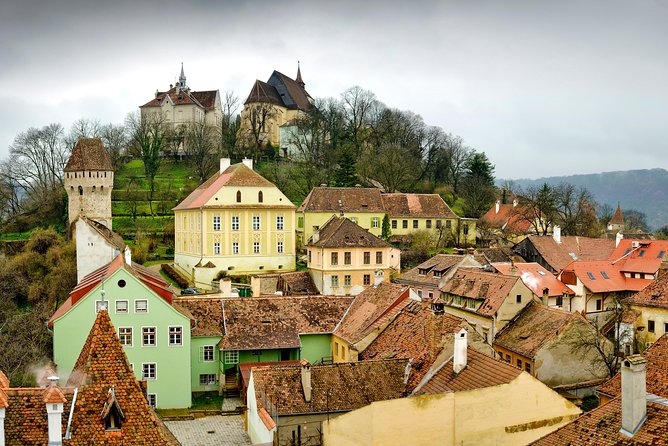
Then you move to Sighișoara, the only inhabited medieval fortress included in UNESCO’s World Heritage Sites. You walk winding cobblestone streets lined with historic buildings to the Clock Tower, described as a symbol of the city.
Inside the tower you’ll also find a museum of medieval weapons and a torture chamber. If you prefer lighter stops, this part may feel intense, but it is also presented as history rather than sensationalism. You can choose how long to linger, but it adds strong context to medieval life.
You then climb three hundred wooden steps to the Church-on-the-Hill, built in the 14th century. That climb is the one physical requirement I would actually plan for. Comfortable shoes matter, and if you’re sensitive to stairs, take breaks.
Viscri Prince Charles house and a calmer kind of Romania
After Sighișoara, you head to Viscri, and the tone changes in a good way. The tour highlights that Prince Charles restored a traditional house there, and that it is a place where he returns every year in May. That detail gives Viscri a specific cultural footnote without taking over the day.
You can admire Viscri houses, then enjoy a horse-drawn carriage ride through the village for a slow, scenic feel. The tour also includes time to visit locals and enjoy home-made cake. That last part is one of the small things that makes a route like this feel real, not scripted.
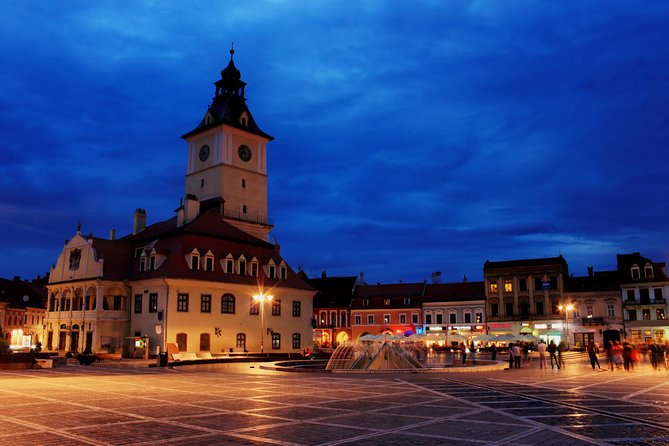
Then you reach Brașov, founded by the Teutonic Knights at the foothills of the Carpathians. The tour sets you up for a strong urban finish after days of villages and fortresses.
Brașov Old Town plus Black Church, then Bran and Sinaia
Brașov’s walking tour focuses on the city center and its medieval cues. You’ll explore narrow streets, visit Council Square, and see the Black Church, one of the city’s famous Gothic landmarks.
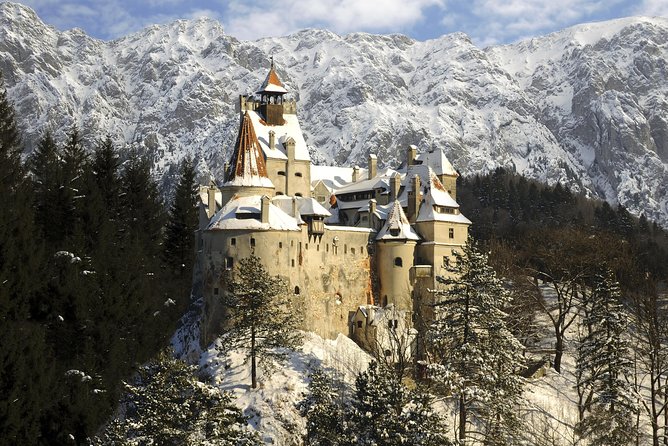
Then you go to Bran Castle, commonly associated with Dracula. You’ll get a full Bran Castle tour, and the site is described as built in the 13th century on a 60-meter cliff, above one of the key access routes into medieval Transylvania. Even if you do not care about Dracula fandom, Bran is a dramatic setting and a useful entry point into how Transylvania castles control movement.
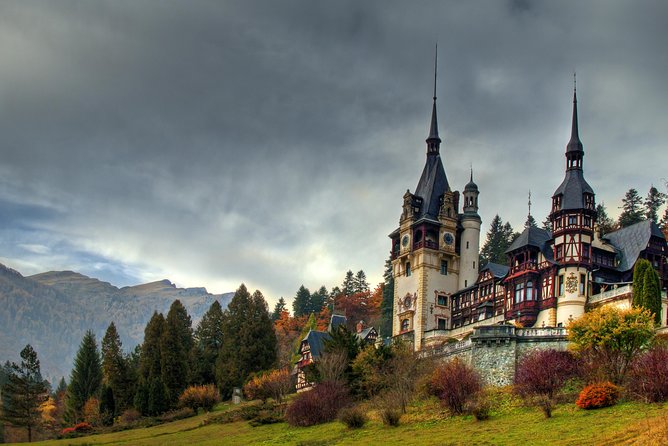
In the late part of the route, you switch to Sinaia. You start with the Orthodox Monastery in Sinaia, then move on to Peles Castle, described as splendid Gothic style and built for Carol I, the first king of Romania. Peles is the kind of stop that rewards people who like architecture details, because it feels more “royal” in its approach than the medieval defensive sites earlier in the trip.
By evening you return to Bucharest, setting up a final day that’s more about walking than driving.
Final Bucharest walking tour and how to use your last hours well
The last day includes breakfast and then a final Old Town and central Bucharest walking tour. This is a smart move, because it gives you a calmer send-off after castle days and long drives. You’ll be able to connect the dots between the first-day overview and what you noticed later in smaller towns.
Airport transfer happens according to schedule, and pickup and drop-off are part of the service plan. This matters because it means the trip ends cleanly, without you having to think through logistics on your departure day.
Price and pace: what $2,339.64 buys you, and what to expect from the schedule
At $2,339.64 per person, you are paying for a lot more than sightseeing. You’re buying an English-speaking guide, 7 nights of centrally located hotels, private transport in a modern car or minivan, and admissions and activities that are tied to the listed highlights.
The value is strongest if you want fewer decisions. You will not be planning routing between Sibiu, Cluj-Napoca, Alba Iulia, Turda, Maramures, and then back south to Brașov, Bran, Sinaia, and Bucharest. You also get cultural framing in real time, including context around monasteries, fortresses, and UNESCO wooden architecture.
The pace is busy but not constant running, and you should treat it as a moderate physical effort trip. The tour notes moderate physical fitness for good reason: cobblestones, walking tours, and the three hundred wooden steps in Sighișoara are real. If you want a gentler pace, you can still do it, but you should expect to slow down and rest when needed.
The one scheduling caveat you should plan around right away is the Palace of the Parliament closure until June. If you were hoping for that exact interior visit, the tour replaces it with Spring Palace, so your “Parliament day” will look different than the ads.
Should you book Classic Romania Tour: Transylvania and Maramures?
Book this tour if you want a smart route that mixes Transylvania’s castle and fortress feel with Maramures wooden village culture in one efficient loop. It’s also a good fit if you like guided context and you appreciate UNESCO architecture without having to build the plan yourself.
I would hold off or consider a private adjustment if you dislike stairs and longer walking days, or if a specific site like the Palace of the Parliament is a must-see for you during your travel window. The good news is that the itinerary design includes enough variety that one swap, like Cozia versus Transfăgărășan or Parliament versus Spring Palace, usually does not break the overall experience.
One more reason to feel confident: the guide reputation stands out in real-world flexibility. Valentin Val Nan has been praised for being pleasant, courteous, and able to accommodate schedule changes, even working in Konstanza and Histria when possible. That kind of responsiveness can make your exact week feel more tailored.
FAQ
What time does the tour start?
The tour starts at 9:00 am.
Is pickup and airport transfer included?
Yes. Airport pickup and drop-off are included, and pickup is offered for the tour.
How many people are in the group?
The maximum group size is 6 travelers.
What kind of guide do I get?
You get a professional English-speaking guide.
Are any meals included?
Breakfast is included each day. The tour also includes 1 lunch with traditional local products and 1 folk show dinner.
Which major sights might change due to closures or seasons?
Palace of the Parliament cannot be visited until June, so it is replaced with Spring Palace. Also, the trip to Cozia Monastery is replaced with a Transfăgărășan road trip from mid June to early November.
Is there a horse-drawn carriage experience?
Yes. An authentic horse-drawn carriage ride is included.
What about hotel rooms and single supplements?
The price is based on 2 people sharing a double room. If you want a single room, you need to pay the single supplement fee.
What is the cancellation window for a full refund?
You can cancel up to 6 days in advance for a full refund, with the cut-off based on local time.
Just Added: New Tours From Bucharest
- Bear Watching in Transylvania 2-Day Tour
- National Village Museum and Comana Adventure Park
- Half Day Tour in Bucharest
- Full-Day Private Tour of Brasov City and Peles Castle from Bucharest
- From Dracula to Ceaușescu- Romanian Terror Stories tour
- Bucharest: Tour The Wine Road, 2 Boutique Wineries in 1 Day
- Bucharest Ceaușescu House Parliament Palace &Village Museum
- Full-Day Private Tour of Bucharest and Mogosoaia Palace
Maramures Tours, compared.
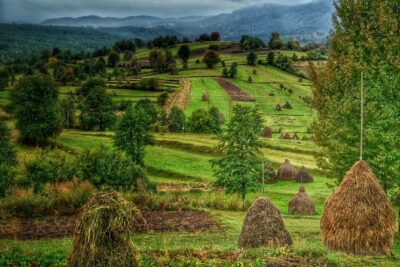
A Journey Back in Time: Countryside from Transylvania and Maramures – 15 Days
Read our review →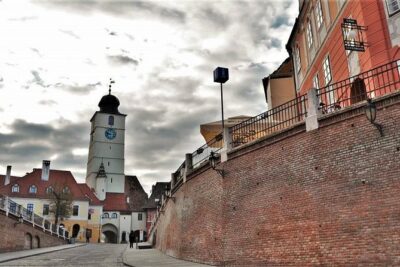
Your rendez-vous with Europe’s past: time-travel to Maramures, Transylvania
Read our review →6-Days Transylvania & Wooden Churches of Maramures from Bucharest
Read our review →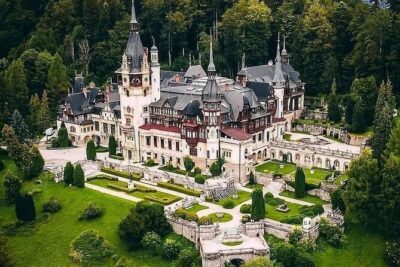
Private 7-Day Tour in Transylvania, Maramures and Bucovina from Bucharest
Read our review →6-Days Transfagarasan, Transylvania & Maramures Wooden Churches from Bucharest
Read our review →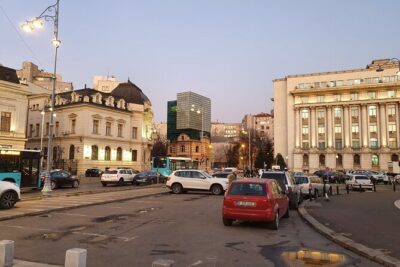
8 Days Private Tour in Romania – Transylvania, Maramures & Moldova
Read our review →Browse the lists this tour appears in