
Reviewed · MARAMURES TOURS
Private 7-Day Tour in Transylvania, Maramures and Bucovina from Bucharest
Seven days, three UNESCO styles, one great guide. This private tour stitches together Transylvania, Maramures, and Bucovina in a way that feels organized, not rushed, starting and ending in Bucharest. The best part for me is the day-to-day guidance from Bogdan, who turns big sights into clear, human stories, plus the practical setup that keeps the trip moving smoothly.
I also like how the itinerary mixes sacred art and everyday life: wooden churches in Maramures, the painted monastery walls of Bucovina, and salt-mining life under the ground in Turda. One drawback to plan around is the extra cost for entrances, plus a couple timing gotchas, like Peles Castle being closed on Mondays (you only see the exterior).
In This Review
- Key highlights worth planning for
- Why This 7-Day UNESCO Route Works from Bucharest
- Day 1 Bucharest’s Ceaușescu Legacy, Cozia Monastery, and Sibiu’s Squares
- Day 2 Alba Iulia Citadel and Salina Turda’s Underground Playground
- Day 3 Maramures Wooden Churches, Surdești, Merry Cemetery, and Barsana
- Day 4 Bucovina Painted Monasteries, Marginea Black Ceramics, and Voronet
- Day 5 Humor Monastery, Neamț Fortress, Bicaz Gorges, and Red Lake
- Day 6 Sighișoara Citadel Walk and Bran Castle for the Dracula Theme
- Day 7 Bears in Zărnești and Peles Castle’s Royal Craftsmanship
- Price and Logistics: What Makes It Good Value
- Where You May Want to Adjust Your Expectations
- Should You Book This Private UNESCO Tour?
- FAQ
- What does the tour include?
- Do I get pickup from Bucharest?
- Where does the tour start and end?
- Are entrance tickets included?
- What meals are included?
- Is this tour private?
- Are there days when Peles or Bran are affected?
- What is the cancellation policy?
Key highlights worth planning for
- Bogdan’s guidance that makes details stick, from UNESCO context to small place-specific facts
- Skip-the-line support plus air-conditioned transport for long travel days
- Maramures wooden churches and the Merry Cemetery, a mix of architecture and folk storytelling
- Bucovina painted churches, including Voronet and its famous Voronet blue frescoes
- Salt Mine time at Salina Turda, with fun underground surprises beyond sightseeing
- A strong finish with Bran and Peles, plus a bear sanctuary visit instead of another castle stop
Why This 7-Day UNESCO Route Works from Bucharest
This is a “big sights, sensible pacing” kind of tour. You get a private vehicle with live commentary, and the itinerary is built around UNESCO World Heritage sites plus a few Romanian favorites that make the drive days worth it.
Because it’s private, you’re not stuck in the usual group shuffle. You move with your guide, stop when it makes sense, and you can ask questions as you go. The route also avoids the common first-timer problem, too many transfers and not enough time at each place.
Price-wise, the headline figure looks steep until you see what’s inside the package. Transport, an English-speaking guide, and lodging support are included, and meals are partly covered. Entrance fees are the main extra, roughly 50 Euro per person for the sites. So your real budget planning is less about “will I be nickel-and-dimed” and more about “do I want to snack and have lunches on my own most days.”
Day 1 Bucharest’s Ceaușescu Legacy, Cozia Monastery, and Sibiu’s Squares
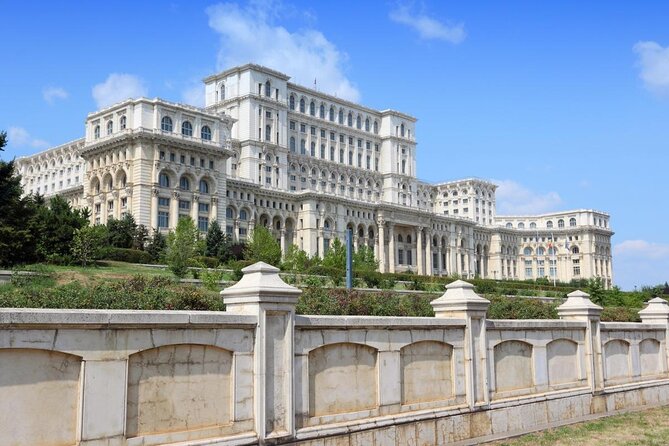
You start with a heavy-hitter: the Palace ordered by Nicolae Ceaușescu, built between 1984 and 1997. It’s known for its sheer scale, described as the largest building in Europe and the second largest in the world. Even if you’re not chasing Communist-era sites, it’s the kind of place that forces you to understand the modern history of Romania, fast.
Then you head to Cozia Monastery. This stop has a very specific kind of local story, the kind that’s hard to invent and easy to remember. Ceaușescu and Elena Ceausescu’s portraits were kept for some years in the monastery museum, but the stained-glass windows connected to them were later demolished and hidden in the attic. The windows were brought there in 1986 and, for a long time, the building carried that secret storage history.
By the end of the day, Sibiu brings the mood back to medieval charm. Sibiu is where Romanians and Saxons coexisted for centuries, and you can see that mix in the religious monuments: Catholic, Orthodox, and Protestant buildings all in view. The three main squares, Big Square, Small Square, and Huet Square, are the easy way to understand why Sibiu feels so “old town.” Add the famous “houses with the eyes” and you’ll quickly see how people fall for this city.
Wooden churches carved without a single nail
Day 2 Alba Iulia Citadel and Salina Turda’s Underground Playground
Alba Iulia is one of those places people skip by accident, even though it’s a star-player for Transylvania history. The citadel is star-shaped and wonderfully preserved, with walls enclosing big monuments, museums, churches, and archaeological treasures. It’s also described as the largest citadel in Romania, so you get a real sense of scale without needing to be an expert.
From fortifications you switch to something wildly different: the Turda Salt Mine. Salina Turda was a working salt mine and has been turned into an underground amusement space. Yes, it can feel like a theme park, but that’s exactly why it’s fun. You’ll see features like a ferry wheel, and the setting gives you a completely different atmosphere than any above-ground museum.
There’s also a museum component tied to the history of salt mining. And you’ll hear the legend part too, the superstition about salt as a protective tool. I like how this stop mixes play with explanation, so the time doesn’t feel like “just an activity.”
Day 3 Maramures Wooden Churches, Surdești, Merry Cemetery, and Barsana
Maramures is the slow-down day. The whole region is famous for traditions and folklore that feel like they’ve kept their shape across generations, including distinctive village styles and costumes. If you like seeing UNESCO as living culture instead of only stone and signs, this day delivers.
You visit the Surdești Wooden Church (UNESCO). This church is remembered for its height, once described as the tallest wooden church in Europe. The details matter here: a very tall tower, a special double-eaved roof, and a porch with unique arch rows. The fact it was built from oak logs by a named carpenter gives it more weight than generic “pretty church” tourism.
Then comes the Merry Cemetery in Sapânța. If you want a break from solemn monuments, this one is a tonal shift. The colorful wooden crosses display life stories, with poems and limericks describing the good and bad of a person’s life. The work is connected to one main carver, Stan Ioan Pătraș, and the carving tradition continued by apprentices. Even when you don’t read all the text, the place makes you think about how communities handle grief, humor, and memory.
Finally, you stop at Barsana Monastery. The important idea here is that it’s part of the Maramures wooden architecture UNESCO focus. Barsana is a convent with sixteen nuns, so you’re not just touring empty buildings. You’re visiting a place that’s still used for faith and daily life.
Day 4 Bucovina Painted Monasteries, Marginea Black Ceramics, and Voronet
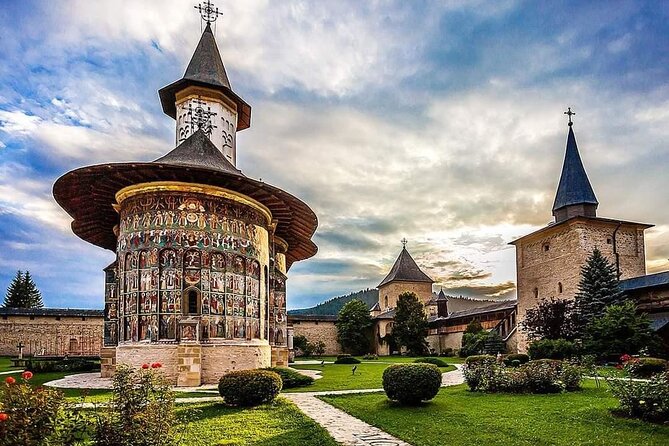
Day 4 is all about UNESCO church painting, the kind that looks flat from afar and turns into storytelling when you’re close. You start with Moldovița Monastery, founded in the 16th century. The painted frescoes are described as enchanting both inside and out. This stop sits in the group of eight painted churches included on the UNESCO list, and that UNESCO style matters: external walls covered with complete religious cycles, inspired by Byzantine art.
Next is Sucevița Monastery. This one gets mentioned for its Gothic and Byzantine elements, and for frescoes on a northern façade that stayed visible due to protective walls that were never demolished. The overall effect is that you can see how protective decisions shaped what survives.
Midday brings Marginea, focused on craft. Ceramica neagra in Marginea is black ceramic pottery, made by local artisans. You can enter the workshop and watch working phases of ceramic pots, and you can buy Bucovina-specific items. If you’re the kind of traveler who likes to bring something home that actually came from a place, this is a great chance. There are also traditionally decorated eggs, made with Romanian techniques.
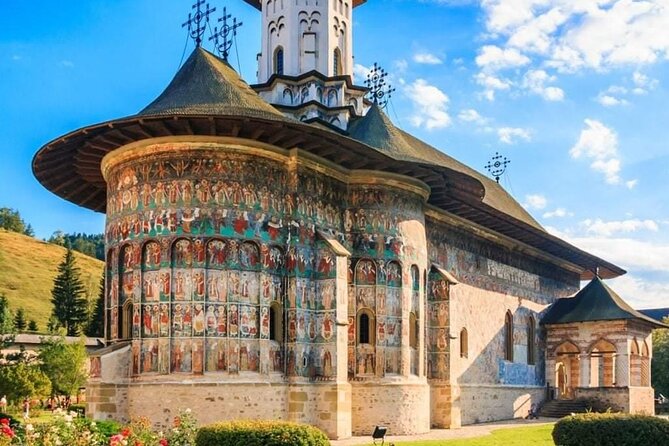
Then you finish with Voronet Monastery, often compared to the Sistine Chapel of the East because of its frescoes. The church was built in 1488 after a victory involving Stephen the Great. The standout detail is Voronet blue, a specific color famous for being hard to replicate. Even if you’re not a color-nerd, you’ll notice how the blue reads as a signature, not a generic “pretty paint” job.
Day 5 Humor Monastery, Neamț Fortress, Bicaz Gorges, and Red Lake
This day balances medieval stones with dramatic nature. Humor Monastery sits on a hill crest, surrounded by trees and meadows. It was built in 1530 by Toader Bubuioga and his wife Anastasia, with an inscription carved near the entrance. It also connects to older monastery ruins built earlier, showing that this spot had religious importance before the current church.
After that you go to Neamț Fortress. It’s tied to the rule of Stephen the Great and is described as a symbol of Moldavia’s medieval strength. Fortresses like this are worth it for one simple reason: they show what “constant threat” meant in real space. You’ll hear about sieges, including an Ottoman attack in 1476 and a Polish attack in 1691. The location at altitude also gives you a natural setting for how the fortress was meant to work.
Then comes Bicaz Gorges and the Hasmas Mountain National Park. If you like views and walking, this is a highlight. The gorges are described as a top natural destination, and you can improve the experience by leaving the road behind for trails. You’ll see points like Red Lake, Ghilgos Massif, Altar’s Stone, and Hasmașu Mare, though the itinerary time suggests more of a scenic stop than a long hike.
You finish with Red Lake, formed by a landslide. The trunks of trees remain present in the lake, which is why it looks eerie and memorable. Legends around the name are part of the experience too. It’s one of those places where nature plus story equals real staying power.
Castles, forests, and the region Dracula made famous
- Transylvania and Dracula Castle Full Day Tour from Bucharest
★ 4.5 · 1,589 reviews - Castles of Transylvania: Private Day Trip from Bucharest
★ 4.5 · 248 reviews - 2-Day Medieval Transylvania with Brasov,Sibiu and Sighisoara Tour from Bucharest
★ 4.5 · 145 reviews - 2-Day Transylvania from Bucharest: Brasov, Bran, Sighisoara
★ 5.0 · 60 reviews - Transylvania: Cultural Full-Day Trip by Minivan
★ 4.8 · 57 reviews
Day 6 Sighișoara Citadel Walk and Bran Castle for the Dracula Theme
Sighișoara is a UNESCO medieval town and, yes, it’s connected to Vlad the Impaler. The walking tour inside the citadel focuses on key spots like the Clock Tower and the Church on the Hill. You also visit the house where Vlad was born. Even if you’re not chasing Dracula branding, the town’s pastel buildings, stone lanes, and medieval towers create a “how did this survive” feeling.
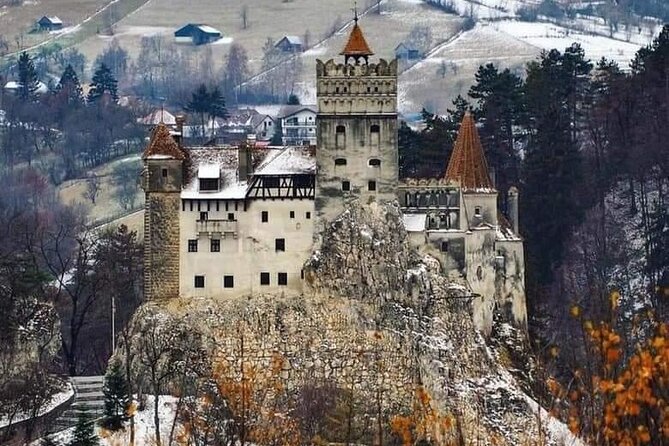
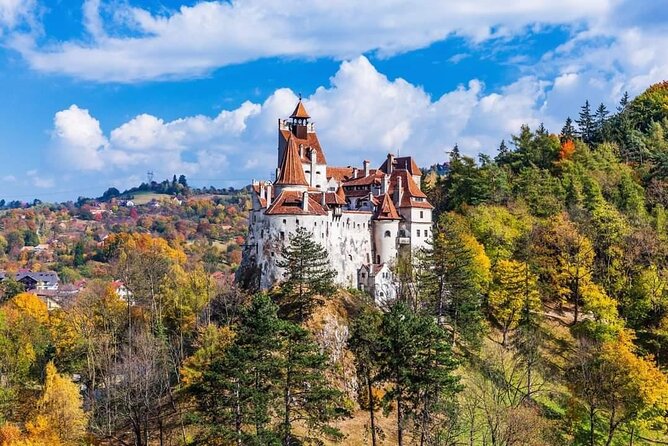
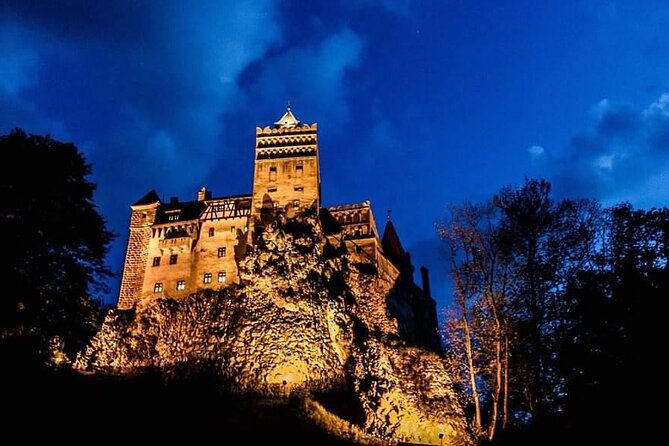
After lunch arrangements can be made locally, the day moves on to Bran Castle, often called Dracula’s Castle. The setting is dramatic, on a rock roughly 60 meters high at the entrance to the Bran-Rucăr pass. If you’ve only seen castle photos online, seeing it in person gives you a stronger sense of its strategic location, not just its pop-culture fame.
Timing matters here. Bran Castle is noted as open on Monday at 12:00. If your trip falls on a Monday, you’ll be glad this schedule is clearly called out.
Day 7 Bears in Zărnești and Peles Castle’s Royal Craftsmanship
The final day swaps castles for wildlife and quiet forest atmosphere. You visit Liberty Bear Sanctuary Zărnești, located in the forest about 2 km from Piatra Craiului National Park. The sanctuary covers 69 hectares with streams and ponds, housing brown bears rescued from captivity. It’s described as the biggest bear sanctuary of this kind in the world, and it hosts around 100 rescued bears.
Taking pictures is allowed, which helps because you’ll want to document the fact that the setting is real and natural. This is also a good day to go slow, stretch your legs, and let the trip end on something that feels humane instead of another fortress.
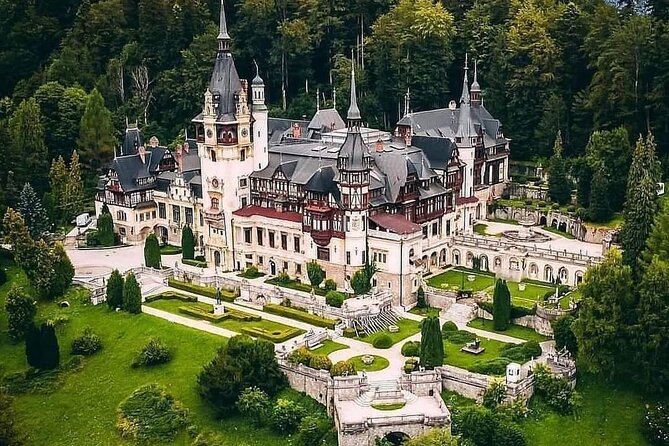
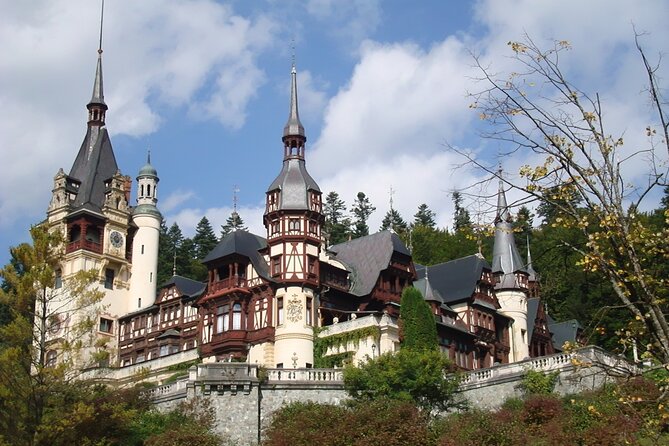
Then you finish with Peles Castle. It’s the summer residence of Romania’s first king, King Charles I, and it’s famous for being one of Europe’s modern castles at the time of its construction between the 19th and 20th centuries. Each room has its own style, and you can admire features like the Florentine room, tied to Renaissance and Italian influence.
Important timing note: Peles Castle is closed on Monday, so you may only see it from outside. That’s not a deal-breaker, but it is something to plan around.
Price and Logistics: What Makes It Good Value
At about $1,614.86 per person, this tour is priced for travelers who want less hassle and more guided meaning. You’re paying for private transport, an English-speaking guide, live commentary, skip-the-line arrangements, and lodging support plus breakfasts and some dinners.
Here’s how I think about the “hidden” costs. Entrance fees are the big one, around 50 Euro per person for all of them. Lunches and most meals are not included, even though breakfast and some dinners are. So if you want a comfortable meal budget, plan extra cash for lunch and drinks.
Also factor in time. The itinerary covers UNESCO churches, fortresses, medieval towns, and major nature stops in one week. That kind of packing is easiest to do with a guide and a driver who already knows the route and timing.
Where You May Want to Adjust Your Expectations
First, be ready for extra entrances. The tour can sound like a complete “everything included” package, but you’ll still pay for site tickets.
Second, watch the castle day timing rules. Peles Castle can be closed on Mondays, Bran has a stated Monday opening time, and these details can change what you see inside vs outside.
Third, have a moderate fitness level. Citadels, church viewing points, and fortress areas often mean walking and uneven ground. The tour also recommends comfortable footwear, and you should take that advice seriously.
Finally, there’s a note about Upper Rasnov Fortress being closed until Feb 2023, with an option to visit the lower fortress area. Even if Rasnov isn’t always top of your mind for UNESCO, it tells you the tour may swap or modify a planned stop based on current closures. If your dates are near a known closure, ask the operator when you book.
Should You Book This Private UNESCO Tour?
You should book if you want a guided week that hits the key UNESCO themes in Romania, without spending your time plotting drives, ticket lines, and “what’s worth it” debates. It’s especially a strong fit for couples and first-time visitors who like history but also want atmosphere, from Sibiu squares to Maramures woodwork to Bucovina fresco storytelling.
If you’re trying to keep costs tight, this is where you need to think ahead. Plan for entrance fees and add lunch spending. Also check whether your dates include a Monday, since Peles Castle can change from full visit to exterior viewing.
If you get Bogdan as your guide, that’s a major plus. The vibe from the tour reviews you provided points to a guide who makes each stop feel clearer, not just explained. For me, that is the difference between collecting stamps and actually remembering a place.
FAQ
What does the tour include?
It includes round-trip transport by air-conditioned car or minivan, an English-speaking qualified guide, live commentary, and a mix of meals, including 6 breakfasts and 3 dinners. Entrance fees are not included.
Do I get pickup from Bucharest?
Yes, pickup is offered.
Where does the tour start and end?
The tour starts in Bucharest and ends back in Bucharest.
Are entrance tickets included?
No. Entrance fees are not included, and the total is listed as around 50 Euro per person for all of them.
What meals are included?
Breakfast is included for 6 days, and dinner is included for 3 days. Meals are otherwise not included.
Is this tour private?
Yes. It’s a private tour/activity, and only your group participates.
Are there days when Peles or Bran are affected?
Peles Castle is closed on Monday, so you can only see it from outside. Bran Castle is open on Monday at 12:00.
What is the cancellation policy?
The experience is non-refundable and cannot be changed for any reason. If you cancel or ask for an amendment, the amount you paid will not be refunded.
More 7-Day Experiences in Bucharest
- 7-Day Private Tour of Transylvania from Bucharest
★ 5.0 · 13 reviews - 4×4 Driving Experience at Flying Altitudes – 7 Days
★ 5.0 · 13 reviews - Amazing Romania – Seven day private tour from Bucharest
★ 5.0 · 7 reviews - 7-Day Romania Tour -Transylvania and Painted Churches
★ 5.0 · 7 reviews
Just Added: New Tours From Bucharest
- Bear Watching in Transylvania 2-Day Tour
- National Village Museum and Comana Adventure Park
- Half Day Tour in Bucharest
- From Dracula to Ceaușescu- Romanian Terror Stories tour
- Full-Day Private Tour of Brasov City and Peles Castle from Bucharest
- Bucharest: Tour The Wine Road, 2 Boutique Wineries in 1 Day
- Bucharest Ceaușescu House Parliament Palace &Village Museum
- Full-Day Private Tour of Bucharest and Mogosoaia Palace
Maramures Tours, compared.
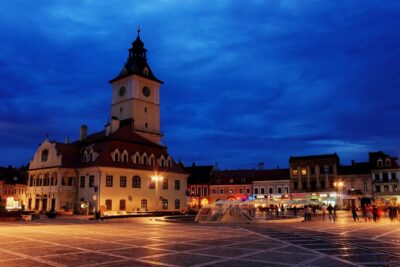
Classic Romania Tour – small group in 8 days: Transylvania and Maramures
Read our review →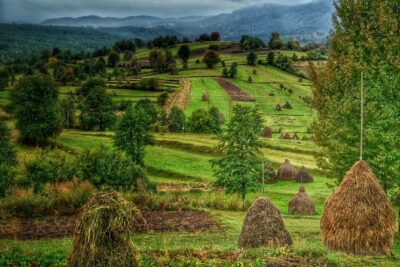
A Journey Back in Time: Countryside from Transylvania and Maramures – 15 Days
Read our review →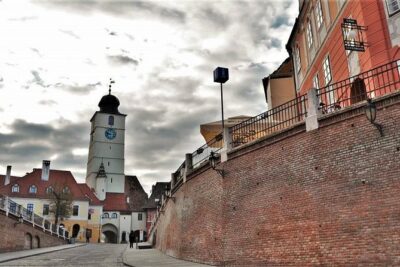
Your rendez-vous with Europe’s past: time-travel to Maramures, Transylvania
Read our review →6-Days Transylvania & Wooden Churches of Maramures from Bucharest
Read our review →6-Days Transfagarasan, Transylvania & Maramures Wooden Churches from Bucharest
Read our review →
8 Days Private Tour in Romania – Transylvania, Maramures & Moldova
Read our review →Browse the lists this tour appears in