
Reviewed · COMMUNIST BUCHAREST TOURS
6h Communism Tour in Bucharest with Ceausescu Mansion
Bucharest has a darker side you can see. In just 6 hours, this private tour strings together the big, emotional stops of Romania’s communist era, starting at the scale-bomb of the Palace of Parliament and ending at Ceaușescu’s former home. I like how the route is tight, so you do not waste time zigzagging across town.
Two standouts are the on-the-ground explanations and the variety of perspectives. A licensed driver-guide who can keep history clear in plain language is a major part of the value, and names like Daniel and Nicoleta come up in bookings for being strong communicators. I also love how the tour does not only show monuments, it shows daily-life context at the Dimitrie Gusti National Village Museum.
One thing to consider: entry fees are not included, and one booking reported they could not access the Ceaușescu residence when they were expecting to. If that site matters most to you, ask your guide to confirm access when you arrive.
In This Review
- Key highlights worth marking on your mental map
- Palace of Parliament: seeing totalitarian scale up close
- Dimitrie Gusti Village Museum: villages, homes, and sustainability ideas
- Victory Avenue: communist blocks with a French architectural side quest
- Revolution Square and the viewpoint: the 1989 turning point
- House of Ceaușescu: private life, public power, and the access question
- Time, pace, and how the route actually works
- Price and logistics: when $208 feels fair
- What makes the guide component a big deal
- Practical tips so your day stays enjoyable
- Who this Bucharest communism tour fits best
- Should you book the Communism Tour in Bucharest?
Key highlights worth marking on your mental map
- Palace of Parliament first: you start with the physical reality of totalitarian scale.
- Dimitrie Gusti Village Museum stop: traditional homes plus how communities think about sustainable living.
- Revolution Square in December 1989: a direct connection to Romania’s turning point.
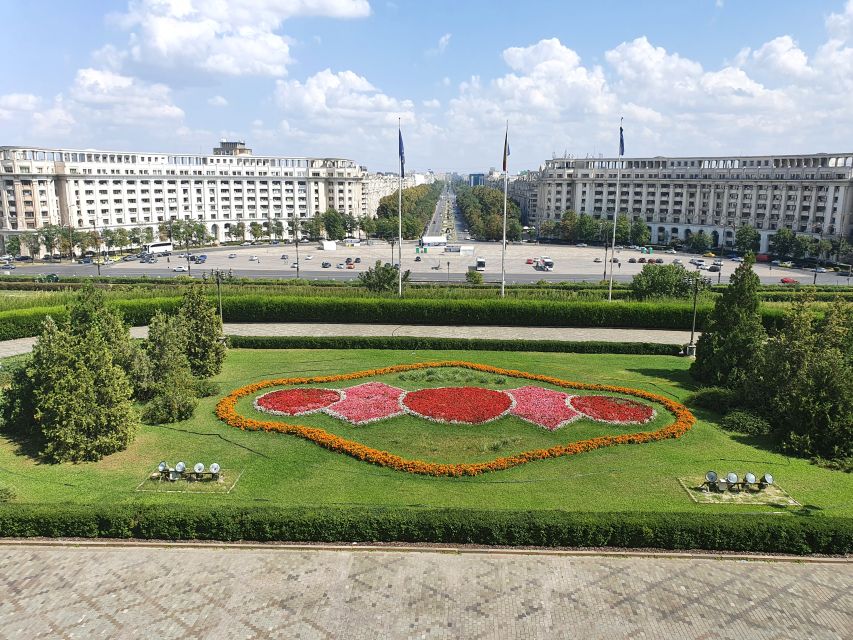
- Victory Avenue photo opportunity: a communist-era boulevard where you can also spot French architectural touches.
- House of Ceaușescu time on site: long enough (about 1.5 hours) to see the contrast between public power and private life.
Palace of Parliament: seeing totalitarian scale up close
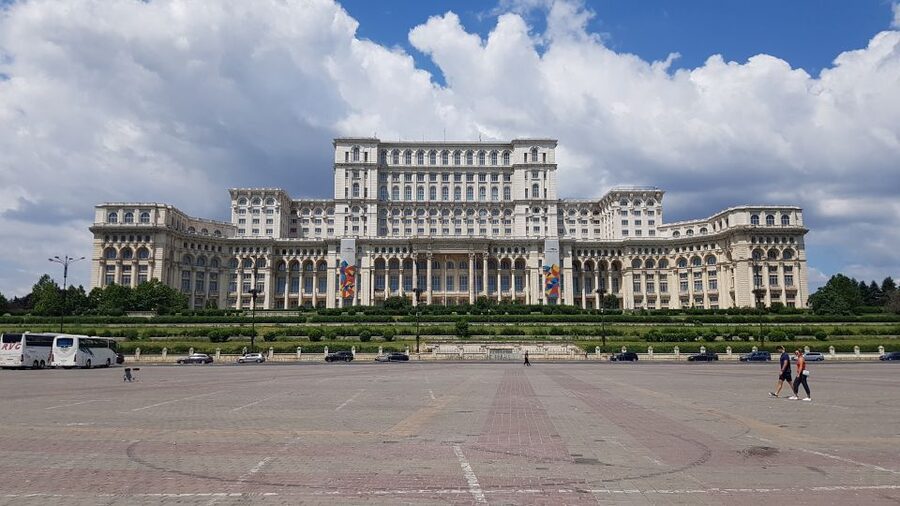
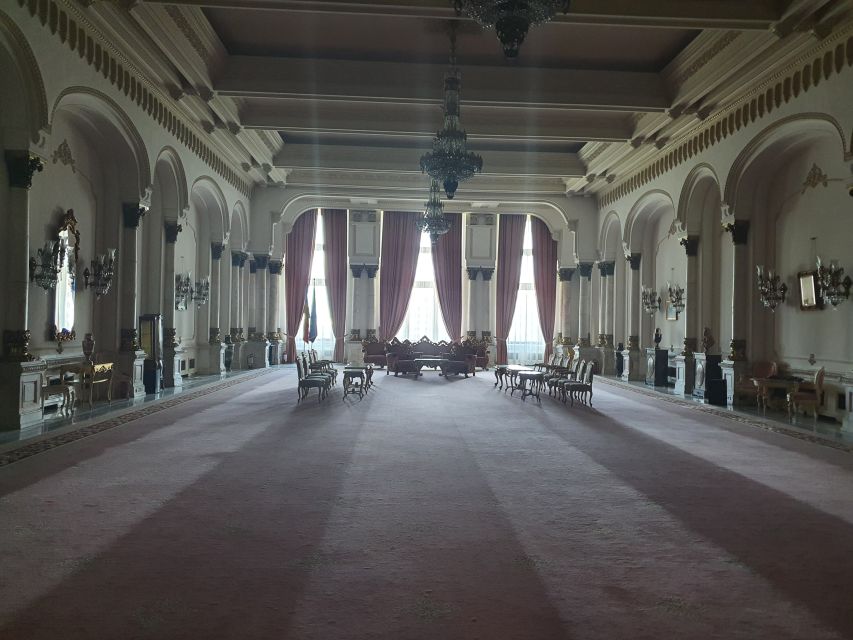
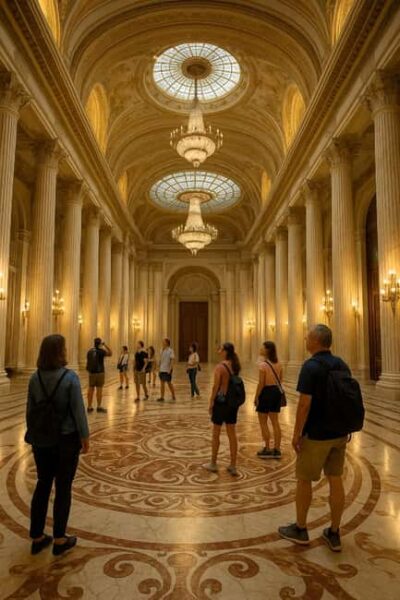
You begin at the Palace of Parliament, the second largest administrative building in the world after the Pentagon. Even without any prior background, the building hits you right away. This is not “a pretty old building” kind of stop. It is a lesson in how power can try to out-stare everything around it.
Your time here is about 2 hours, and that matters. You get enough minutes to look around, absorb what your guide is pointing out, and connect what you see to what the regime did to daily life. I like that the tour frames the site as dangerous and damaging, not just as an architectural oddity. That context keeps the visuals from turning into a theme-park version of history.
Practical note: the Palace of Parliament is a big interior and exterior complex, so you’ll want to dress for a lot of walking and time spent looking up and around. If you get motion sickness easily, take it slow with photos, because you may do a lot of turning in place.
Dimitrie Gusti Village Museum: villages, homes, and sustainability ideas
Next comes the Dimitrie Gusti National Village Museum, with about 1 hour set aside. This stop shifts the tone. Instead of a palace built to project authority, you’re looking at the homes and patterns of village life.
What I find useful here is the way the museum ties traditional living to how people built practical, ecological environments in their backyards. Even if you’re not a “history nerd,” you’ll probably appreciate the grounded focus. It is the kind of stop that helps you understand what the communist period was pushing against, and what everyday Romanians wanted their communities to look and feel like.
Another plus is variety in the visuals. You get a break from monumental stone and find yourself in spaces that feel more human-scaled. If you’re doing a Bucharest day focused only on politics, this museum acts like a reset button.
A small caution: you’ll be on a schedule. One hour is not enough to treat the museum like a standalone visit, so go in ready to prioritize what your guide points out.
Still standing, block after block
- Bucharest: Communism and History Guided City Walking Tour★ 4.9 · 918 reviews
- The Real tour of Communism★ 5.0 · 666 reviews
- Life under Communism★ 5.0 · 358 reviews
Victory Avenue: communist blocks with a French architectural side quest
Between the bigger historical stops, there’s a chance to look at Victory Avenue, a boulevard lined with communist-era buildings. The tour also notes that you can admire French architecture here, which is a great detail if you like seeing how cities layer influences.
This is one of those “short stop, big payoff” moments. You’re not just passing buildings, you’re learning how different design languages got mixed into the same urban canvas. It also gives your eyes something different to do while still staying connected to the theme of the day.
If you like street-level photos, bring your camera settings accordingly. Depending on the light, those boulevards can look dramatic with long perspectives, even if you only get brief moments to frame shots.
Revolution Square and the viewpoint: the 1989 turning point
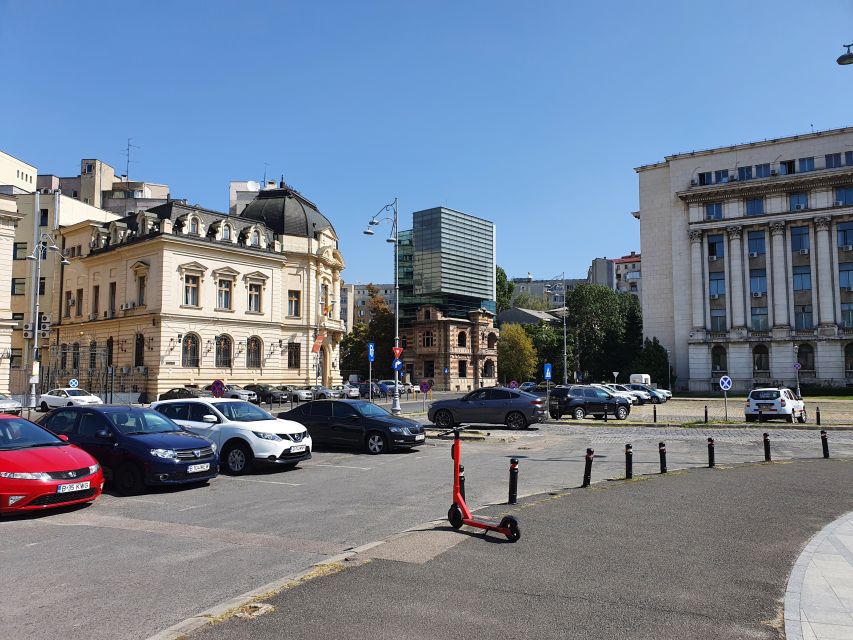
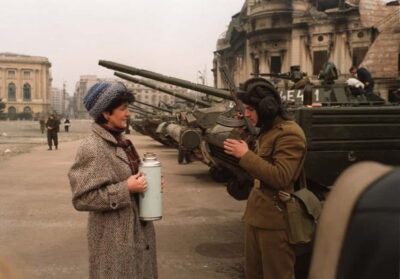
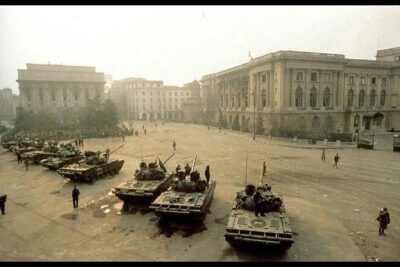
Then you move to Revolution Square, with about 45 minutes. This is where the tour connects Bucharest’s communist timeline to the Romanian Revolution in December 1989. That specific month and the direct link to revolution is important, because it helps you understand the story is not just about long-standing dictatorship. It is about a fast rupture, too.
I like that your guide keeps the focus on what this place meant in that moment, not just in a general “politics happened here” way. Forty-five minutes is enough to read the atmosphere, absorb the context, and get your bearings without feeling rushed.
After that, there’s a viewpoint stop for about 45 minutes. It is a smart inclusion because it gives your mind room to re-map the city after all the dense political information. From a viewpoint, your brain can stop zooming in on details and start thinking about the city as a whole, how people moved, how power shaped space, and how the urban layout fed the story.
If you’re a photo person, you’ll probably love this portion. Even when weather is not perfect, a viewpoint helps you get a sense of scale.
House of Ceaușescu: private life, public power, and the access question
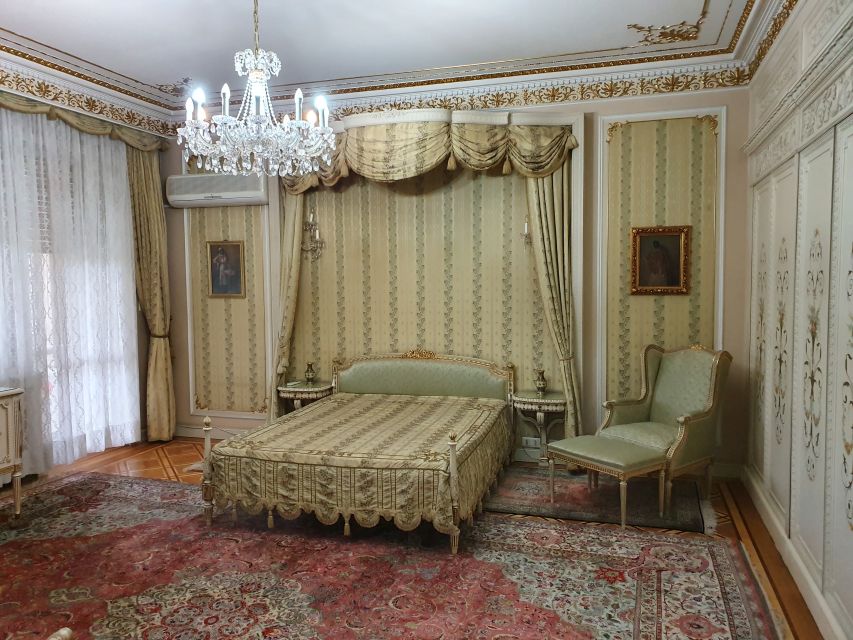
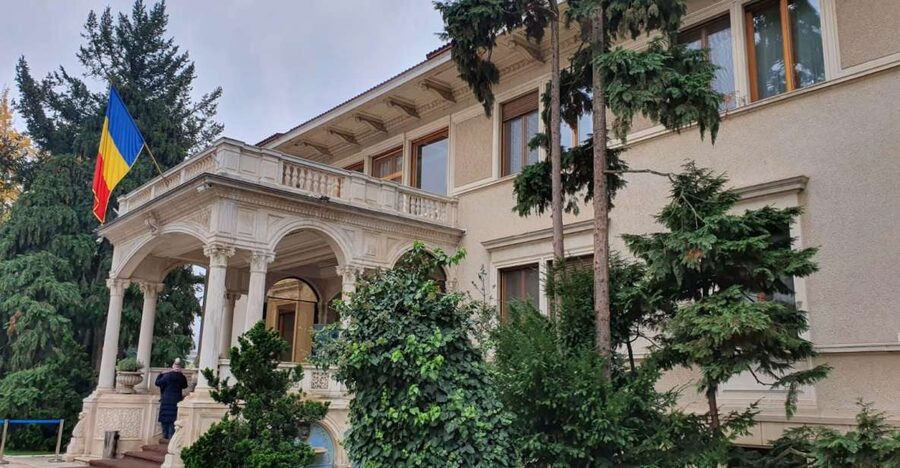
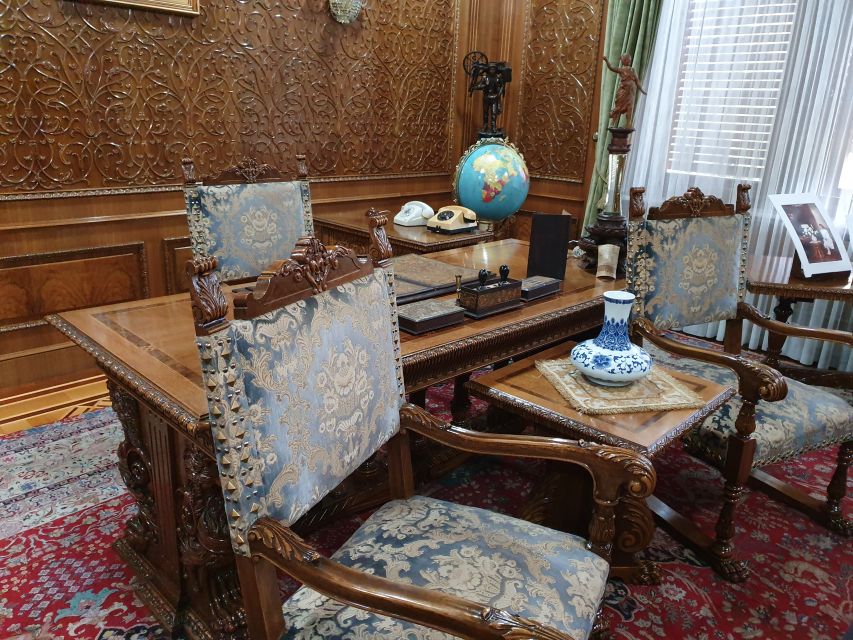
Your final major stop is the House of Ceaușescu, the private residence of Nicolae and Elena Ceaușescu and their children for roughly a quarter of a century (1965-1989). You spend about 1.5 hours here, which gives you time to actually absorb the layout and the contrast between the family’s sheltered world and the regime’s impact beyond those walls.
This is the emotional highlight for a lot of people because it turns the story from “buildings and laws” into something more human. You get a sense of how a dictatorship can try to separate itself physically and psychologically from the rest of society.
That said, here’s the one consideration you should take seriously. One booking reported they were not able to access the residence even though it was a key part of the tour. I can’t predict how your day will go, but I recommend you treat this like a priority. When your guide arrives, ask a simple question: is the residence accessible today? That five seconds can save a lot of disappointment.
If entry happens smoothly, plan to focus. This is not the time to dash through for photos only. Give yourself minutes to look, then listen, then look again.
Time, pace, and how the route actually works
This is a private group tour with a licensed, private English-speaking driver-guide. It also lists multiple tour languages, including Italian, Romanian, French, and Spanish, so you should have options if you want to travel in something other than English.
The 6-hour duration is exactly what you’d hope for on a Bucharest day tour. You get:
- 2 hours at the Palace of Parliament
- 1 hour at the Village Museum
- 45 minutes at Revolution Square
- 45 minutes at the viewpoint stop
- 1.5 hours at the House of Ceaușescu
That’s enough structure to stay meaningful, while still leaving you with an evening where you can explore other parts of Bucharest on your own.
You also get pickup and drop-off back at your hotel or at the airport. That matters in Bucharest, because time spent figuring out transport is time you should spend learning.
These pair well with the day you just read about.
- Bucharest: Dracula’s Castle, Peles Castle, & Brasov Old Town
★ 4.5 · 17,858 reviews - Bucharest: Dracula Castle, Peles Castle & Brasov Old Town
★ 4.6 · 10,891 reviews - Bucharest: Dracula’s Castle, Peleș Castle & Brașov Day Trip
★ 4.4 · 6,100 reviews - Bucharest: Palace of Parliament Tickets and Guide
★ 4.3 · 3,182 reviews - Bucharest: Day Trip to Dracula Castle, Peles Castle & Brașov
★ 4.4 · 3,049 reviews
Price and logistics: when $208 feels fair
At $208 per person, you are paying for three things: private transport, a guide-driver (with live guiding), and a planned route that hits several major communist-related sites.
That price feels more reasonable when you consider how much coordination you avoid. You are not just visiting one museum. You are combining several stops tied together by theme and geography, with a guide keeping the story coherent across the day.
But do not ignore the two “extra costs” categories listed as not included:
- Entry fees
- Food and drinks
Since entry fees are not covered, you should assume you’ll pay more depending on which sites require tickets that day. The same goes for meals. If you hate being caught hungry and deciding between bad convenience food or waiting, bring water and consider a snack strategy before the tour.
Also note the tour includes skip the ticket line. That can be a genuine time-saver at high-demand attractions, and it can reduce the frustration of waiting while you are trying to keep momentum.
What makes the guide component a big deal
The most praised part of this experience is the human part, the person translating events into something you can actually picture. In bookings tied to this tour, guides like Daniel and Nicoleta are highlighted for being especially good at communication and for knowing the city and the country well, with answers that go beyond a scripted route.
When a guide is strong, you get two wins:
- You understand what you’re seeing, not just what it is called.
- You can ask follow-up questions without the answers feeling generic.
If you want to get more out of the day, come with one or two personal questions, like what changed after 1989 in practice, or how different communist symbols compared to everyday life. A good guide will meet you there.
Practical tips so your day stays enjoyable
- Wear comfortable shoes. You’ll be walking across multiple sites with different surfaces and photo stops.
- Plan for weather. Bucharest can shift quickly. Bring a light layer.
- Bring water. Food and drinks are not included, so you’ll want to avoid running dry.
- Have your camera ready, but don’t rush. The day works best when you take in details and then let your guide connect them.
- Expect a schedule, not a free-for-all. Even though the tour is flexible, you’ll still have fixed time windows at each stop.
One more helpful point: the tour is described as flexible, with the itinerary able to be adjusted even after the start of the tour. That’s good news if you want to spend extra time where the group is most engaged, or if you want to slow down at the most important stop for you.
Who this Bucharest communism tour fits best
This tour is a strong match if you want a political and social story told through places you can see in a single afternoon.
I’d especially recommend it for:
- First-timers who want the big communist landmarks without planning the route themselves
- People who like their history tied to real geography and architecture
- Travelers who want a private driver-guide so explanations feel tailored and not rushed
If your idea of a perfect day is beaches, food markets, or only light sightseeing, then this one may feel heavy. But if you’re the kind of person who wants to understand a city’s contradictions, it makes sense.
Should you book the Communism Tour in Bucharest?
Yes, if you want a structured day that connects Bucharest’s communist past to the turning point of December 1989, and you’re okay paying a premium for a private guide plus transport.
I’d book it with one caution in mind: the House of Ceaușescu is a key draw, and one booking reported access problems. If that residence is your top reason for choosing this tour, ask your guide to confirm on the day, and budget extra for entry fees so there are no surprises.
Just Added: New Tours From Bucharest
- Bear Watching in Transylvania 2-Day Tour
- National Village Museum and Comana Adventure Park
- Half Day Tour in Bucharest
- From Dracula to Ceaușescu- Romanian Terror Stories tour
- Full-Day Private Tour of Brasov City and Peles Castle from Bucharest
- Bucharest: Tour The Wine Road, 2 Boutique Wineries in 1 Day
- Bucharest Ceaușescu House Parliament Palace &Village Museum
- Full-Day Private Tour of Bucharest and Mogosoaia Palace
Communist Bucharest Tours, compared.
Parliament, Ceausescu House & Village Museum Tour
Read our review →
Bucharest Essential Tour: Old Town, Calea Victoriei & Communism
Read our review →
Communism in Bucharest – Landmarks, Museum & Communist Appetizers
Read our review →
Browse the lists this tour appears in