
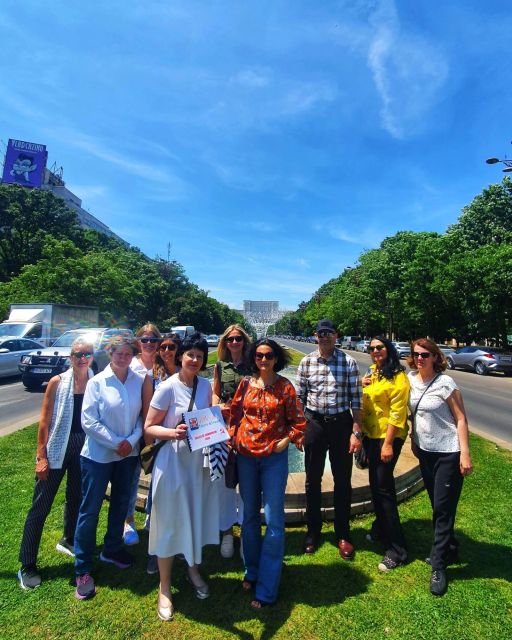
Reviewed · COMMUNIST BUCHAREST TOURS
Bucharest: Relics of Communism 3-Hour Walking Tour
Concrete, propaganda, and courage on one walk. I love how this Bucharest tour turns communist-era Bucharest into a story you can actually see, from Revolution Square to the big power buildings that still dominate the skyline.
I also love the human scale: you hear what the 1989 Revolution changed, and you learn how people got by with ration cards, propaganda, and the black market. The main downside is simple, it is a walking tour with no hotel pickup, so you need to reach the Memorial of Rebirth area and wear proper shoes.
In This Review
- Key highlights I’d plan around
- Socialist Realism on Foot: What This Tour Really Helps You See
- Where You Start at Memorial of Rebirth, and Why It Matters
- Revolution Square to Piața 21 Decembrie 1989: Ceausescu’s Balcony Moment
- Michael the Voivode Church: Hidden Churches and the Cost of Forgetting
- Piața Unirii: Where Everyday Life Feels Close
- Civic Centre Project Buildings: The Contrast That Tells the Story
- Palace of the Parliament: Power in Concrete, Guided by Context
- Piața Constituției Finish Point: Closing the Loop on Control and Change
- Everyday Life Under Ceausescu: Ration Cards, Black Market, Propaganda
- Guides, Pace, and the Small Group Advantage
- Price and Value: Is $44 Worth It for 3 Hours?
- Who Should Book This Tour, and What to Bring
- Should You Book This Tour or Skip It?
- FAQ
- Where is the meeting point?
- How long is the tour?
- Is the tour in English?
- What is the group size?
- What’s included in the price?
- Is hotel pickup included?
- FAQ
- When can I cancel for a refund?
Key highlights I’d plan around
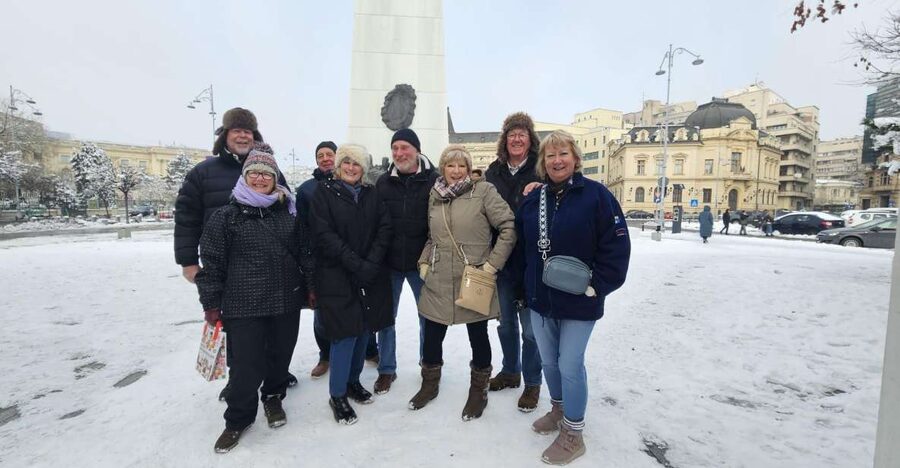
- Memorial of Rebirth as your starting point, right at the Revolution Square complex
- Revolution Square’s balcony moment, tied to Ceausescu’s last speech
- A stop at Michael the Voivode Church, including the hidden-church angle
- Piața Unirii and the civic center grid, where old elegance meets communist planning
- Palace of the Parliament with guided context, including why it was built to be the center of power
- Small group (up to 10) with English guides such as Elena, Stefan, and Tudor, often praised for answering questions
Socialist Realism on Foot: What This Tour Really Helps You See
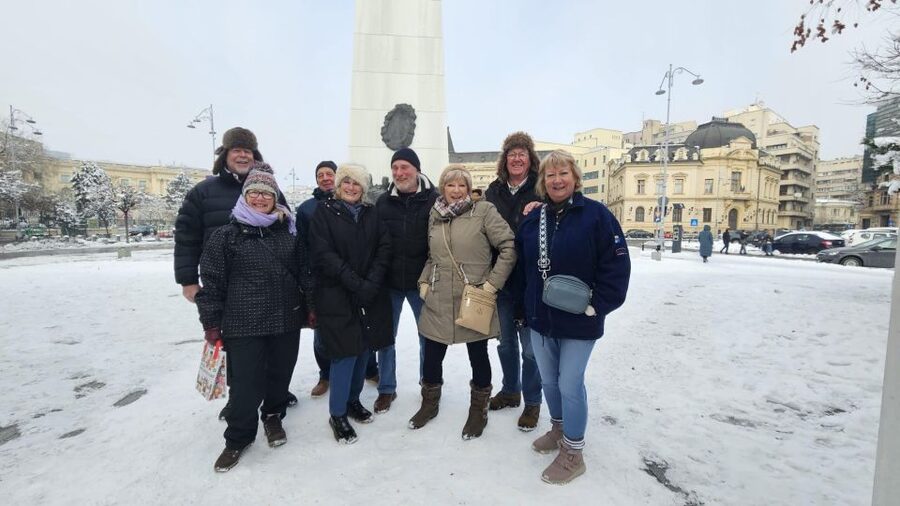
Bucharest under communism left behind more than monuments. It left behind streets, blocks, and a whole way of shaping public space, and you can read it with every step you take on this 3-hour walk.
I like that the tour doesn’t treat communist history like a lecture that happens in the air. It ties the architecture of socialist realism to the politics that produced it, so the buildings stop being just scenery and start being evidence.
You also get the everyday layer. The guide’s explanations connect the grand ideology to daily survival, like how people navigated propaganda and the secret police, plus ration cards and the black market.
Where You Start at Memorial of Rebirth, and Why It Matters
You meet at the Memorial of Rebirth in Revolution Square. That location matters because the whole walk is organized around the idea that Bucharest’s communist era and its end are not abstract. They’re tied to specific spaces you can stand in and recognize.
This first stop is also good for getting your bearings fast. The group starts close together, and you begin with the Revolution Square area before moving out toward the places where power and control were built into the city.
If you only do one thing to understand Bucharest, start here. The walk builds momentum, and having that dramatic starting point helps you make sense of what comes next.
Still standing, block after block
- Bucharest: Communism and History Guided City Walking Tour★ 4.9 · 918 reviews
- The Real tour of Communism★ 5.0 · 666 reviews
- Life under Communism★ 5.0 · 358 reviews
Revolution Square to Piața 21 Decembrie 1989: Ceausescu’s Balcony Moment
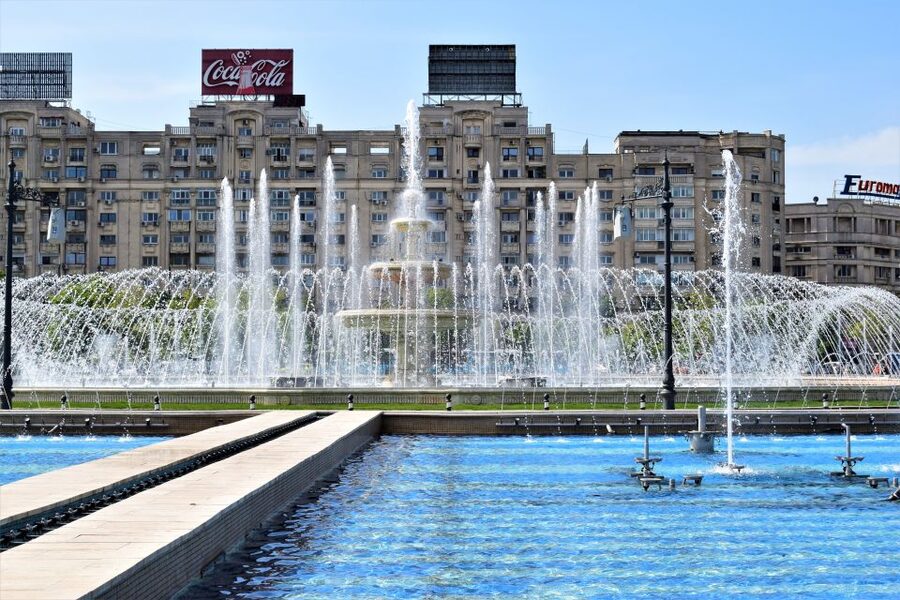
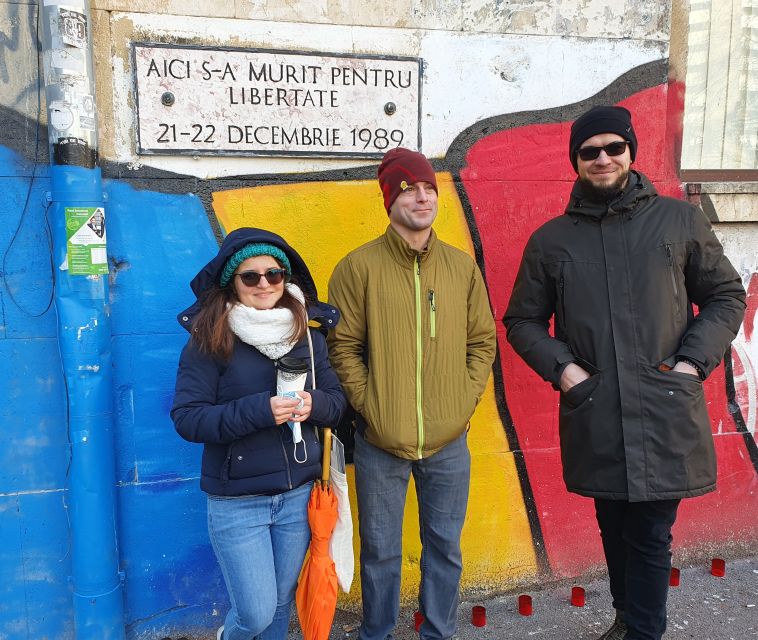
The tour’s early energy comes from Revolution Square. You get guided time and key context, including the story of the 1989 Revolution linked to the balcony where Ceausescu held his last speech.
Then you move to Piața 21 Decembrie 1989. This stop keeps the focus on the same turning point, but from another angle, so you start connecting what you’re seeing with what happened there.
What I like about this part is how it frames the Revolution without turning it into chaos. You get a clear narrative arc, and because the guide has time at each spot, you can ask questions instead of watching the group flow forward like a conveyor belt.
Michael the Voivode Church: Hidden Churches and the Cost of Forgetting
Next comes Michael the Voivode Church. This is one of the stops that changes the tone of the walk, because it brings religion into a story that is often told only through politics and concrete.
You’re not just told that churches exist. The guide explains the idea that communists wanted to forget certain churches, and you see how places of faith survived alongside a system that preferred control over memory.
This stop is also a useful reminder that Bucharest is more than a single era. Even in a city shaped by communist planning, older layers still show up, and this church helps you notice that contrast immediately.
If you care about how everyday life differed from official messaging, this is a strong pivot point. It’s where the tour starts to feel less like architecture appreciation and more like understanding human choices.
Piața Unirii: Where Everyday Life Feels Close
You continue to Piața Unirii, with guided time to help you read the city around you. For me, this is where the tour starts to feel like a walk you could take without a guide, but with a guide you understand what you would miss.
This stop supports one of the tour’s central promises: learning about the day-to-day experience under Ceausescu’s rule. The guide’s explanations about ration cards, the black market, propaganda, and the secret police land more clearly when you’re standing in a public space that people would have used during that period.
Also, the pace here tends to feel comfortable. Several past groups noted a leisurely rhythm with enough time at each location, so you do not feel rushed just to move on.
Civic Centre Project Buildings: The Contrast That Tells the Story
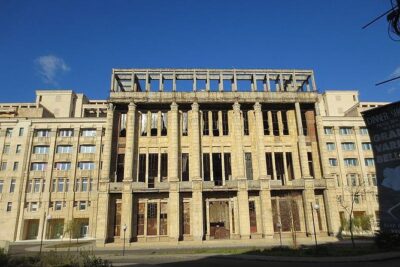
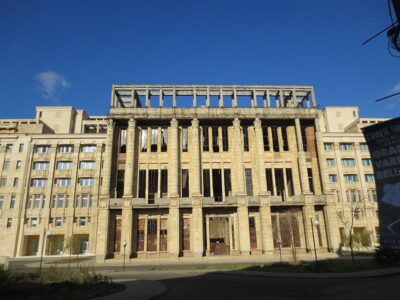
After the Revolution and church stops, the tour shifts further into what communism built. You’ll spend time in areas tied to the Civic Centre Project, including buildings shaped by the logic of state power and public messaging.
Here’s the core idea you should keep in mind: socialist realism is not only an art style. It’s a planning tool, a way of pushing ideology into the streetscape so that citizens experience the state at every turn.
You’ll also notice the contrast the tour is designed around. The walk moves from elegant city architecture into communist blocks, and that visual push-and-pull is exactly what helps the story stick.
If you like seeing how political systems show up in real places, you’ll enjoy this section most. It’s where Bucharest becomes legible as a city shaped by policy.
Only got half a morning?
- 3-Hour Guided Tour of Communist Bucharest
★ 4.9 · 303 reviews - Bucharest: 3-Hour Dark History Tour with a Local
★ 4.9 · 301 reviews - Bucharest: Alternative Sightseeing 2.5-3h-Hour Guided Tour
★ 4.9 · 80 reviews - Bucharest: 3-Hour Walking Tour
★ 4.9 · 77 reviews - Alternative Bucharest: 2.5-3 Hours Walking tour (Small groups)
★ 5.0 · 32 reviews
Palace of the Parliament: Power in Concrete, Guided by Context
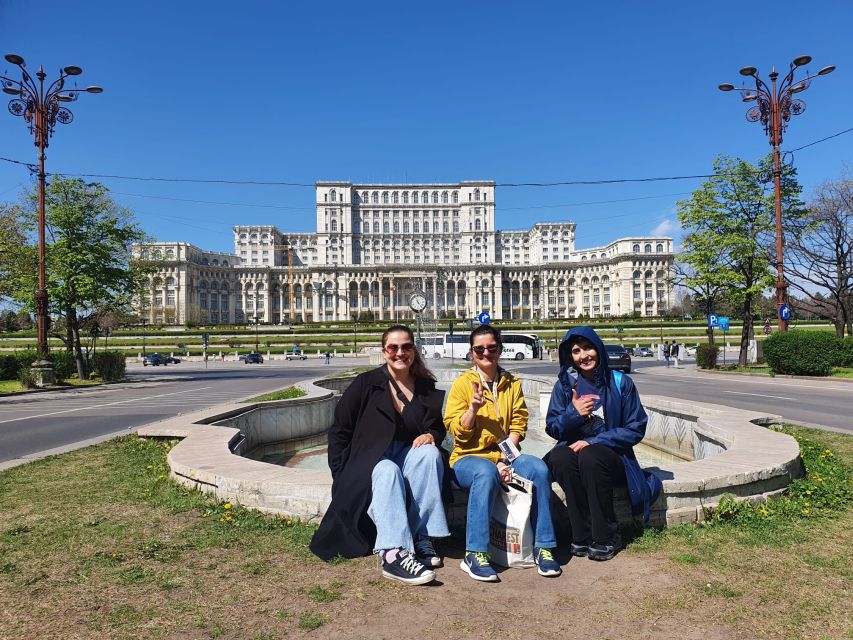
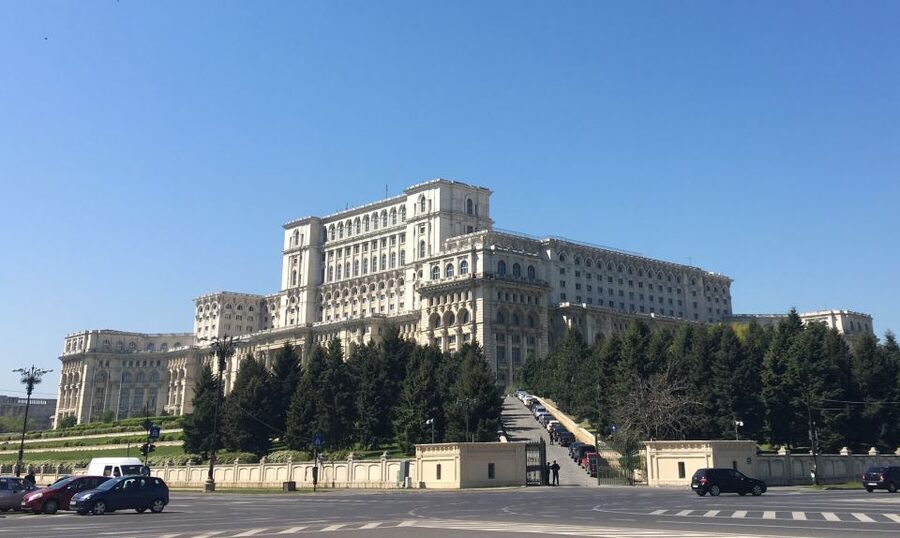
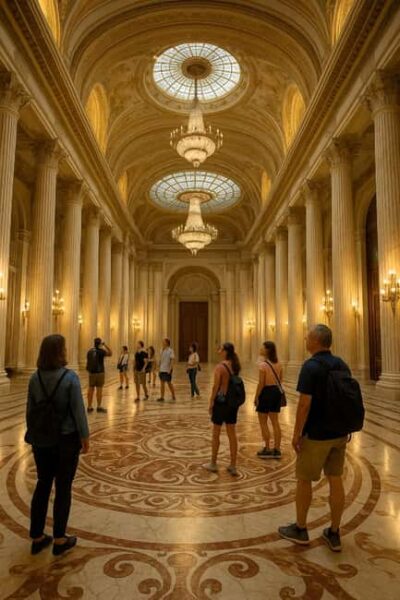
The biggest anchor stop is the Palace of the Parliament. You get a guided visit here, and the guide focuses on why it exists, not just what it looks like.
The key takeaway is that it was designed as the absolute center of power. Standing in the orbit of that building helps you understand why so many people still feel the weight of the communist period in everyday life, not only in textbooks.
This is also the stop where your guide’s storytelling often matters most. Good guides turn a dramatic building into a map of decisions, like who it was built for and what it signaled about authority.
One practical note: if you want to go inside, you might find your guide can help you plan access or tickets while you’re nearby. Some guides associated with this walk have done exactly that for participants who wanted to see more.
Piața Constituției Finish Point: Closing the Loop on Control and Change
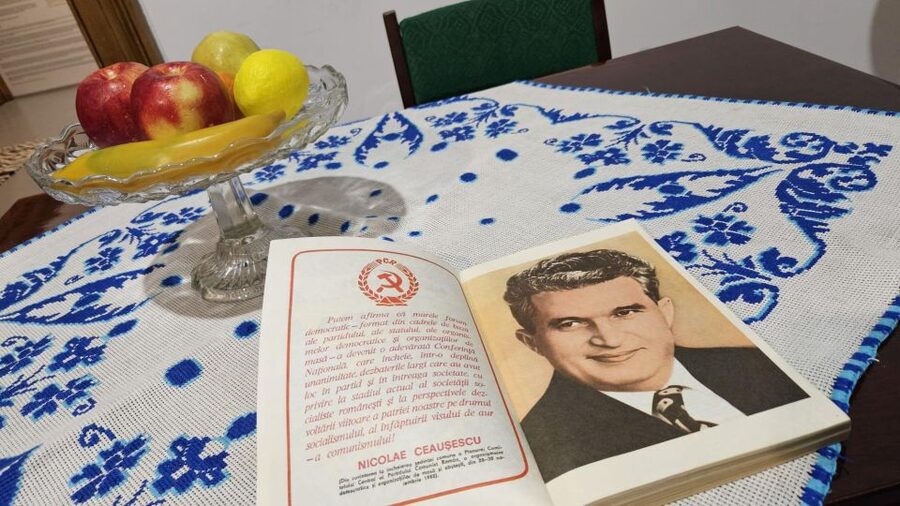
The tour finishes at Piața Constituției. That ending location feels like a fitting punctuation mark because it sits in the broader story of transition, from the communist power structure to the post-1989 shift toward democracy.
By the time you reach the finish, you’ve done more than see landmarks. You’ve moved through a chain of spaces that explain how ideology became architecture, and how that architecture became part of daily life.
If you’re the type who likes to process a place after a tour, this is a good finish point. You’re not rushed into leaving immediately, and you can stay nearby to regroup with a coffee or snack while the story is fresh.
Everyday Life Under Ceausescu: Ration Cards, Black Market, Propaganda
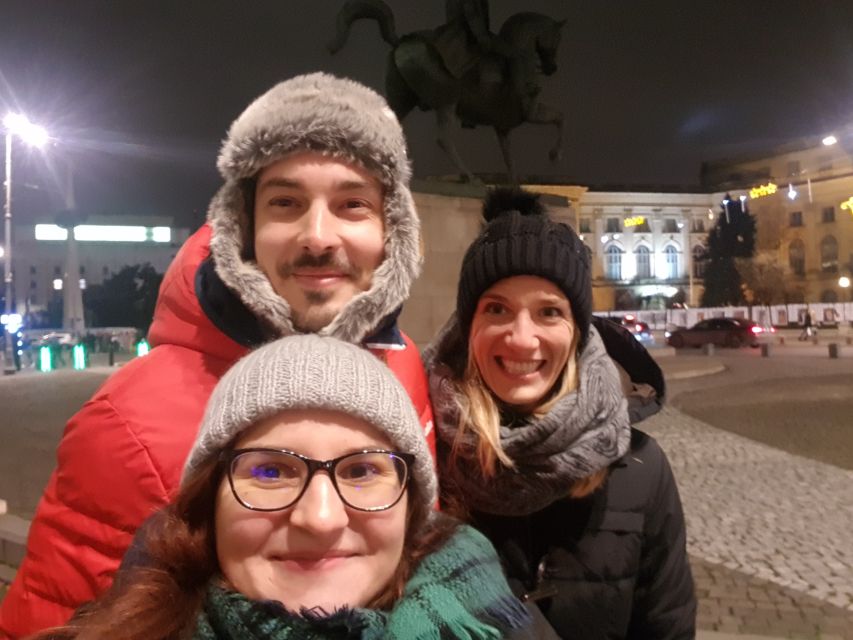
This walk earns its place on your calendar because it makes communist history personal. The tour includes explanations of daily life under Ceausescu’s rule, like ration cards and how people handled shortages and restrictions.
It also covers the propaganda machine. You learn how messaging worked and what it meant to live under a system where public narratives were designed, repeated, and enforced.
And then comes the part that often makes the story feel real fast: the black market and the role of the secret police. Even without going into sensational details, the guide helps you understand why people looked for alternatives and why fear could shape behavior in everyday routines.
I like that this tour treats these topics as connected, not separate themes. You don’t just hear about objects like ration cards, you hear about why those objects existed and what pressure surrounded them.
Guides, Pace, and the Small Group Advantage
This is a small group tour, limited to 10 participants. That matters more than you might think, because it makes room for questions and slower, better paced explanations at each stop.
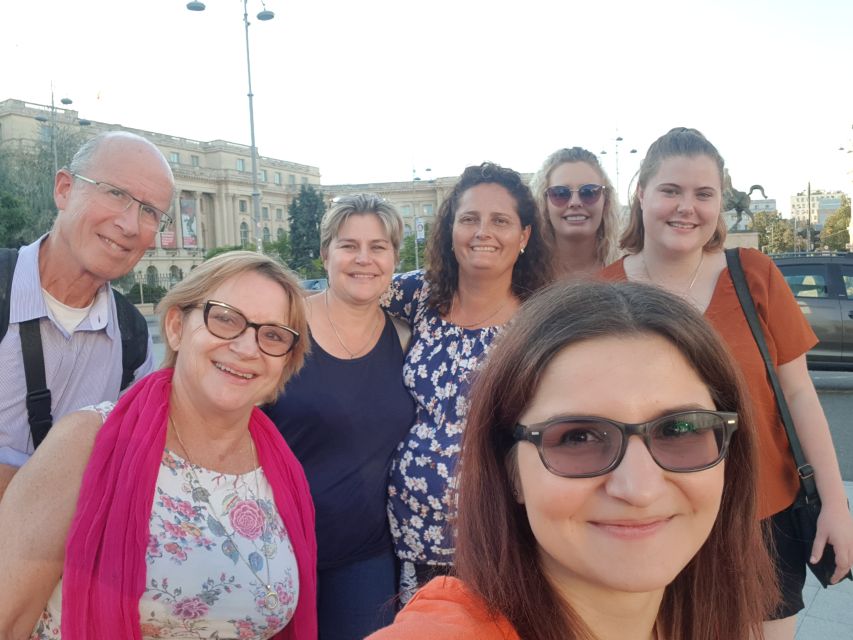
Many past participants praised guides such as Elena, Stefan, and Tudor for going into detail and answering questions clearly. Several also mentioned the tour running at a relaxed pace, with enough time at each location to actually absorb what you’re looking at.
You might also encounter extra learning aids depending on the day and the guide. Some groups reported seeing physical props and comparisons like old school materials, period photos of old versus new Bucharest, and other supporting visuals used during the walk.
One thing to keep your schedule flexible: at least some runs have run slightly long due to question-heavy groups. Not every tour will do that, but it’s smart to leave a bit of breathing room after.
Price and Value: Is $44 Worth It for 3 Hours?
At $44 per person for a 3-hour guided walking tour, you’re paying for interpretation. This isn’t a “see it, move on” tour where your ticket buys entry to a building and little else. You’re buying a clear guided narrative that connects daily life under communism to specific places in Bucharest.
You also get a Romanian snack souvenir included, which is a small perk but a real one. It’s a gentle souvenir that feels tied to the experience, not like generic packaging.
The other value factor is the cap of 10 people. For a topic-heavy tour about politics, architecture, and personal lived experience, a small group makes it easier to hear everything and interact with the guide.
The cost is harder to judge if you’re only interested in photos or only want surface-level facts. If that’s you, a self-guided walk might work. If you want context that makes the city make sense, the price tends to feel fair.
Who Should Book This Tour, and What to Bring
This tour fits best if you want Bucharest to feel understandable, not just impressive. It’s ideal if you like history that ties directly to streets, buildings, and the lived experience behind them.
It’s also a good pick if you’re curious about how a city can be shaped by ideology for more than 40 years. You’ll see those long-term effects in the architecture and in the way the Revolution story is told through space.
Bring comfortable walking shoes, especially if your feet are sensitive to long urban walks. Since there’s no hotel pickup, you should plan to arrive on your own at the Memorial of Rebirth meeting spot.
If you’re the type who likes asking questions, this is another strong fit. The guide’s style, praised repeatedly in English for answering questions and using visuals, is built for conversation.
Should You Book This Tour or Skip It?
Book it if you want a guided walk that connects Bucharest communist architecture to real human stories, from everyday life under Ceausescu to the 1989 Revolution at Revolution Square. The Palace of the Parliament stop alone gives you a major anchor, and the church and civic center pieces help balance the story.
Skip or modify your plan if you hate walking and prefer taxis, or if you only want quick landmark views with no political context. Also, if you need a hotel-based pickup, you’ll want to line up your own transit to the meeting point.
My practical advice: if this subject matter interests you, you’ll likely find it one of the most efficient ways to understand Bucharest in a single afternoon.
FAQ
Where is the meeting point?
Meet your guide at the Memorial of Rebirth in the Revolution Square.
How long is the tour?
The tour lasts 3 hours.
Is the tour in English?
Yes, the tour is conducted in English with a live guide.
What is the group size?
The group is limited to 10 participants.
What’s included in the price?
You get a walking tour with an English guide, plus a Romanian snack souvenir.
Is hotel pickup included?
No, hotel pickup and drop-off are not included.
FAQ
When can I cancel for a refund?
You can cancel up to 24 hours in advance for a full refund.
More Walking Tours in Bucharest
- Bucharest: City Highlights Guided Walking Tour
★ 4.9 · 1,482 reviews - Bucharest Highlights Walking Tour
★ 5.0 · 469 reviews - Bucharest: Hidden Markets Walking Tour with Tastings
★ 4.9 · 329 reviews - Bucharest: Ghost Stories & Romanian Mythology Walking Tour
★ 4.9 · 287 reviews
Just Added: New Tours From Bucharest
- Bear Watching in Transylvania 2-Day Tour
- National Village Museum and Comana Adventure Park
- Half Day Tour in Bucharest
- From Dracula to Ceaușescu- Romanian Terror Stories tour
- Full-Day Private Tour of Brasov City and Peles Castle from Bucharest
- Bucharest: Tour The Wine Road, 2 Boutique Wineries in 1 Day
- Bucharest Ceaușescu House Parliament Palace &Village Museum
- Full-Day Private Tour of Bucharest and Mogosoaia Palace
Communist Bucharest Tours, compared.
Parliament, Ceausescu House & Village Museum Tour
Read our review →
Bucharest Essential Tour: Old Town, Calea Victoriei & Communism
Read our review →
Communism in Bucharest – Landmarks, Museum & Communist Appetizers
Read our review →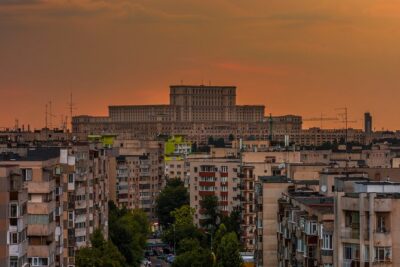
Bucharest Under Communism: Life, Terror & Hope
Read our review →Browse the lists this tour appears in