
Reviewed · HISTORICAL TOURS
Bucharest: 3-Hour Dark History Tour with a Local
Bucharest hides its darkest stories in plain sight. This 3-hour dark history tour strings together Bellu Cemetery, key Revolution sites, and the 1970s Vampire of Bucharest case into one tight walk with a local guide.
What I really love is the way the tour uses places you can actually see, starting with the emotional and architectural weight of Bellu Cemetery. I also like how guides such as Alex and Elena bring the Revolution era to life, with clear storytelling and lots of answering-you-on-the-spot questions as you move from University Square toward Revolution Square.
The one drawback to plan for is that it is a long walking route with heavy subject matter, including political repression and adult themes tied to interwar Bucharest. If you want a light, breezy city stroll, this may feel like too much.
In This Review
- Key highlights at a glance
- Starting at Ion Luca Caragiale National Theatre, Then Jumping Eras Fast
- The Cemetery Street That Holds Six Histories at Once
- Bellu Cemetery: Architecture, Romance, and Dark Curiosity
- University Square: Where 1989 Echoes Into the 1990s
- Little Paris and the Interwar Sex Trade: What You Can Still See
- The Vampire of Bucharest: A 1970s Case That Still Haunts
- Revolution Square: Communism’s Machinery, Up Close in Stories
- Metro Tickets, Street Snack, and How the Route Stays Sane
- Who This Tour Is Best For
- How to Prepare So the Tour Feels Enjoyable, Not Draining
- Should You Book This Dark History Tour of Bucharest?
Key highlights at a glance
- Bellu Cemetery as a national historical monument, full of funerary art and haunting stories
- University Square tied to the 1989 Revolution and later anticommunist student protests
- Interwar Little Paris context, including what remains of a former brothel and the sex trade
- The 1970s serial killer case, nicknamed the Vampire of Bucharest
- Revolution Square and the communist regime, including prisons, labor camps, and torture methods
Starting at Ion Luca Caragiale National Theatre, Then Jumping Eras Fast
The tour meets at the main entrance of the Ion Luca Caragiale National Theatre, Bulevardul Nicolae Bălcescu 2. It is an easy landmark to find, and it sets a strong tone right away: this is Bucharest viewed through what the city survived, not what it sells.
You are moving with a local English-speaking guide, and the format is built for small groups, max 12 people. That matters because the route is story-heavy, and you get time to ask questions without the tour turning into a moving lecture hall.
You should also plan for walking. In colder months, I’d treat this like an all-afternoon outfit test. Even when the time window is only three hours, you will be outside for long stretches, and the cemetery portion is not the kind of stop where you want to feel underdressed.
The Cemetery Street That Holds Six Histories at Once
One early stop sets up the whole tour idea. Your guide takes you to a street near the center that can include at least six cemeteries in one area. You’ll hear how these burial sites function like a map of Bucharest’s conflicts, communities, and shifting power.
Among the cemeteries named on this route are:
- The Cemetery of the Victims of the Revolution in 1989
- The Jewish Cemetery
- The Cemetery of the Russian Soldiers
- The old historical Bellu Cemetery, which you visit together
This is more than a geography lesson. It shows you how the city remembers. In many places, history is kept behind museum glass. Here, it is in stone, symbols, and names, and it is right where daily life keeps going.
Only got half a morning?
- 3-Hour Guided Tour of Communist Bucharest★ 4.9 · 303 reviews
- Bucharest: Alternative Sightseeing 2.5-3h-Hour Guided Tour★ 4.9 · 80 reviews
- Bucharest: 3-Hour Walking Tour★ 4.9 · 77 reviews
Bellu Cemetery: Architecture, Romance, and Dark Curiosity
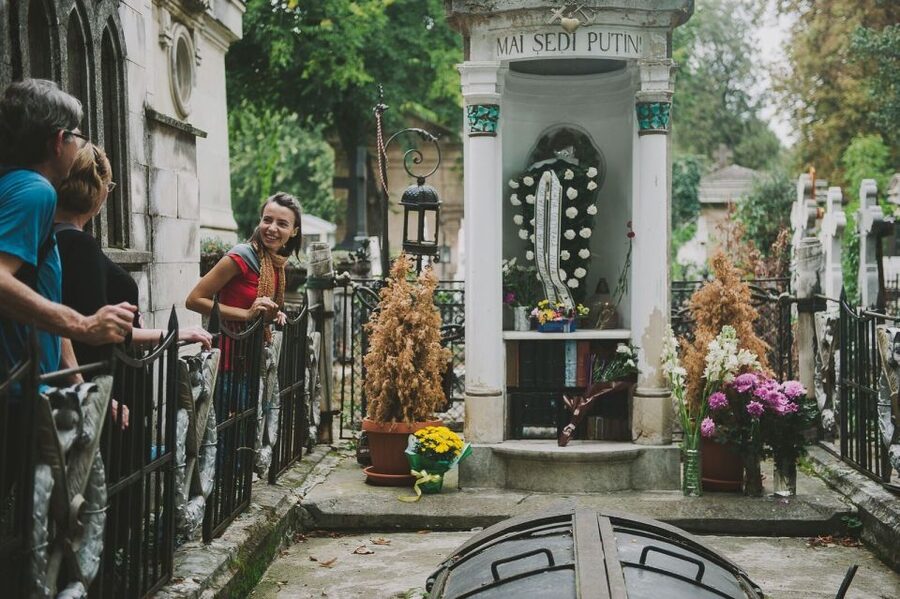
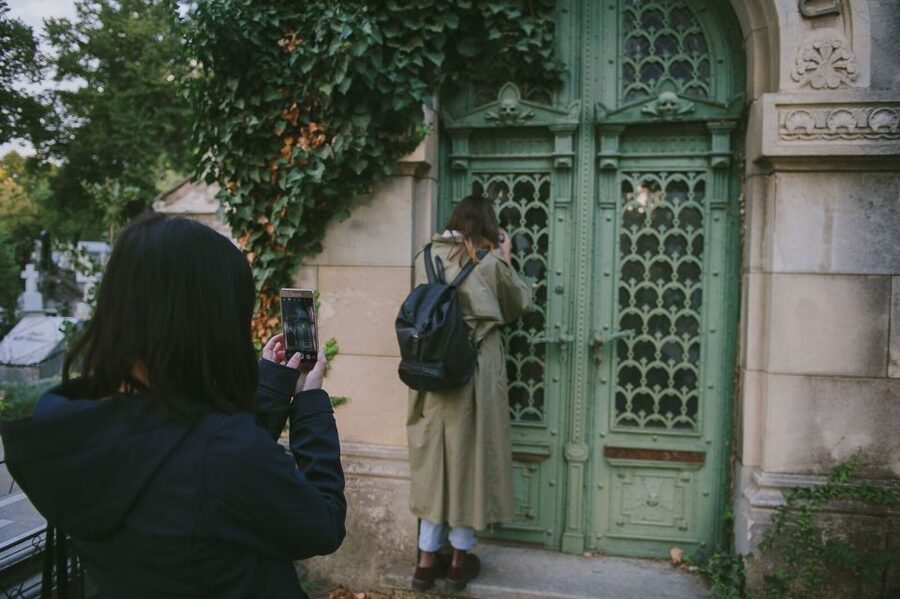
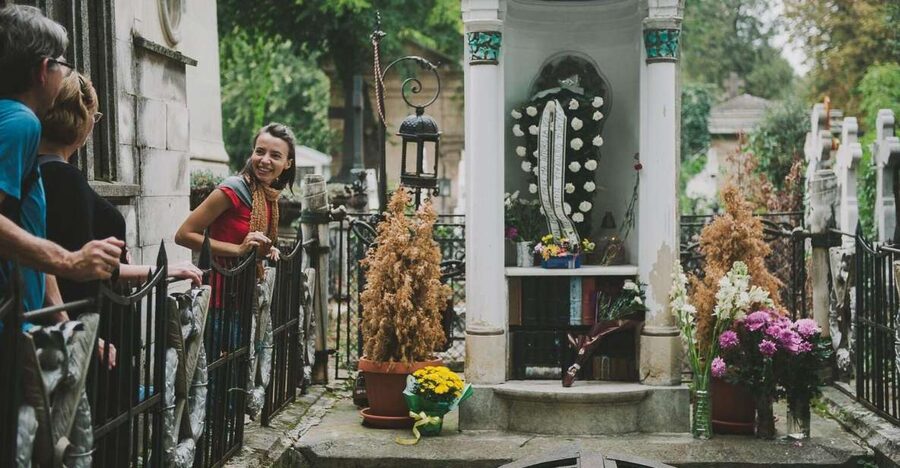
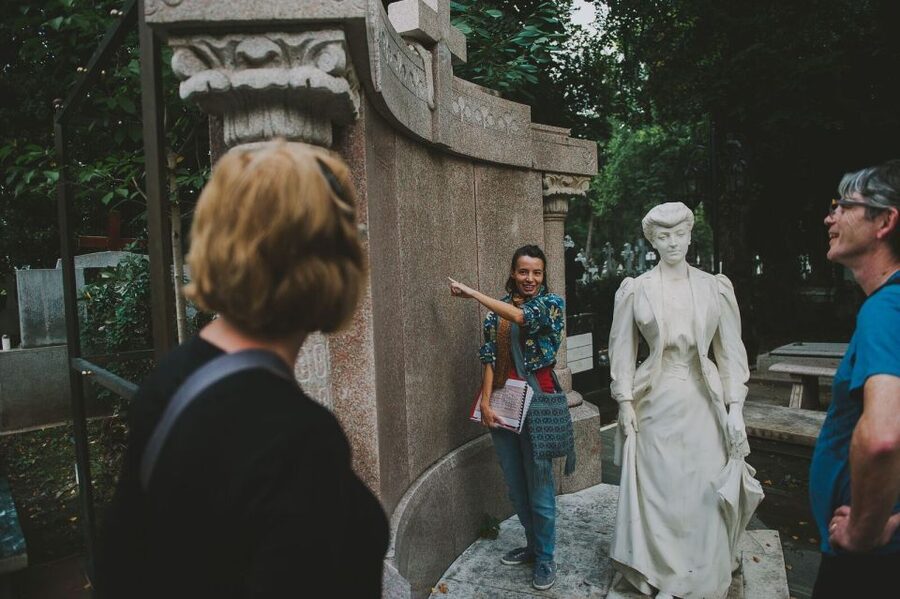
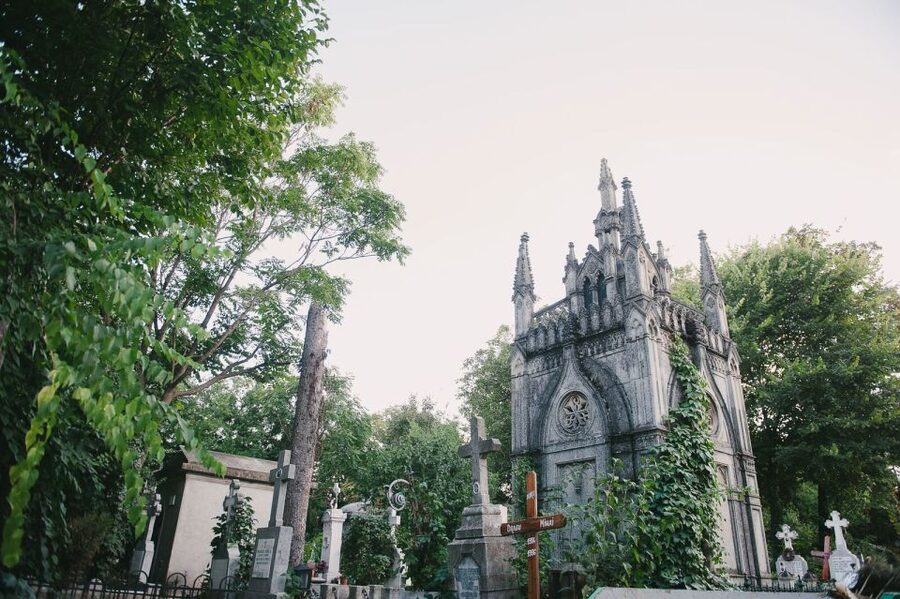
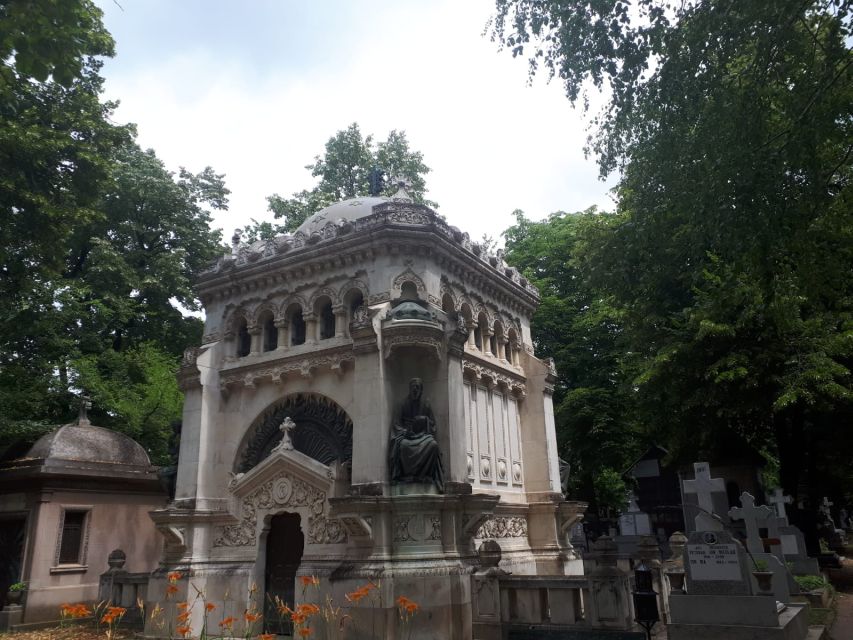
Bellu Cemetery is the star. It is a national historical monument, and your guide treats it like an outdoor gallery where funerary architecture carries meaning. Expect a mix of stories that range from sad love histories to darker mysteries, all tied to the people and the symbols you can see.
This stop is also where the tour becomes emotionally specific. Guides like Alex and Elena are often praised for pointing out small details and explaining why they matter, so you are not just looking at graves. You are learning how Bucharest’s society expressed status, grief, and identity through design.
One practical note, bring patience for slow moments. Cemetery tours can feel hurried when a group is large. Here, the small-group size helps, and you should be able to pause, take a breath, and let the architecture speak.
Also, keep in mind there are cats and dogs connected with the cemetery grounds. Several guides are known for being kind to the animals, and that adds a human, local feel to an otherwise heavy place. If you are an animal lover, it’s a bonus. If you are not, it still helps to see how naturally people coexist with this strange, living corner of the city.
University Square: Where 1989 Echoes Into the 1990s
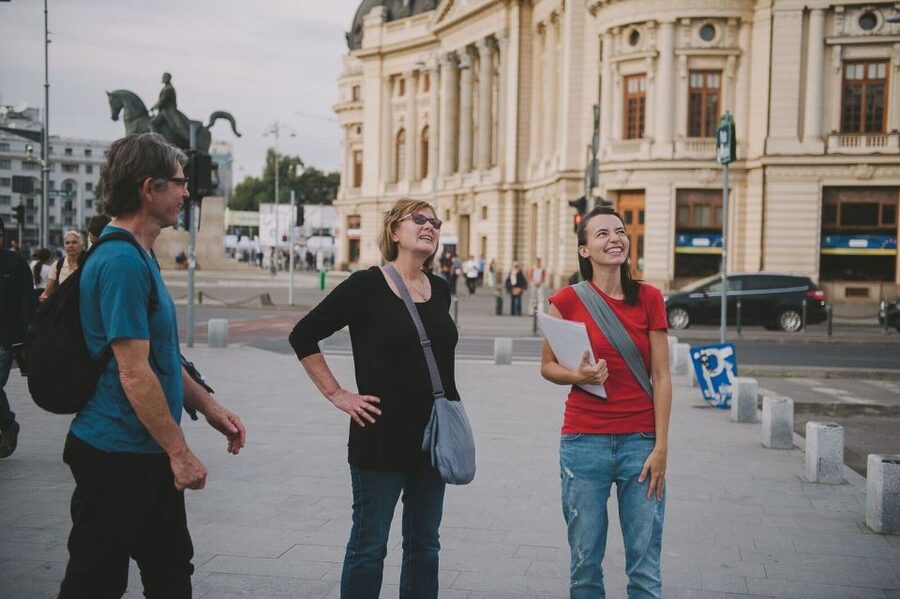
From the cemeteries, the tour moves toward University Square, one of Bucharest’s most important public spaces. This is a site tied to the Revolution in 1989, and also to later anticommunist students’ protests in the 1990s.
Your guide connects the dots. You’ll learn how this square became a stage for crowds, arguments, and consequences, and you’ll hear about the violence that came with those street battles. It is not just a stop for a photo. It is a stop that explains why political change in Bucharest was often paid for in blood.
Because the subject is intense, you’ll want to keep your head up and listen closely to what your guide emphasizes. A good guide will help you interpret the space, not just recite dates. That is where the walking tour format shines, because the story matches the street layout.
If you want to get more out of this part, ask questions about how student protests fit into the broader post-communist struggle. The tour gives you enough background to understand why later protests were still dangerous, even after 1989.
Little Paris and the Interwar Sex Trade: What You Can Still See
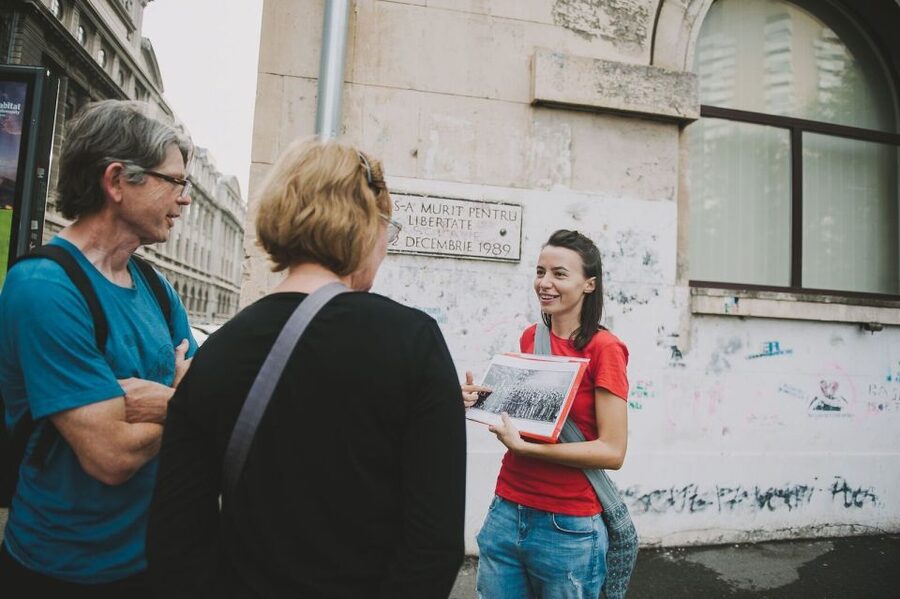
Next comes the interwar Bucharest era, described as the city’s Little Paris period. The tour covers the sophisticated atmosphere, but it does not gloss over what sat underneath it.
You’ll hear about the practice of sex trade in Bucharest and you’ll see what is left of a former interwar brothel. The value here is not shock. It’s context: a city’s glamour often depends on people being pushed to the edges, and this stop explains how that worked in real neighborhoods.
This is also a good point to calibrate your comfort level. The tour includes adult themes, and it’s handled as part of social history rather than titillating gossip. Still, if that topic makes you uneasy, you should know where the tour is going.
Also, I like that this section gives you something different from the usual Bucharest checklist. You get a view of daily life and social power, not just political headlines.
The Vampire of Bucharest: A 1970s Case That Still Haunts
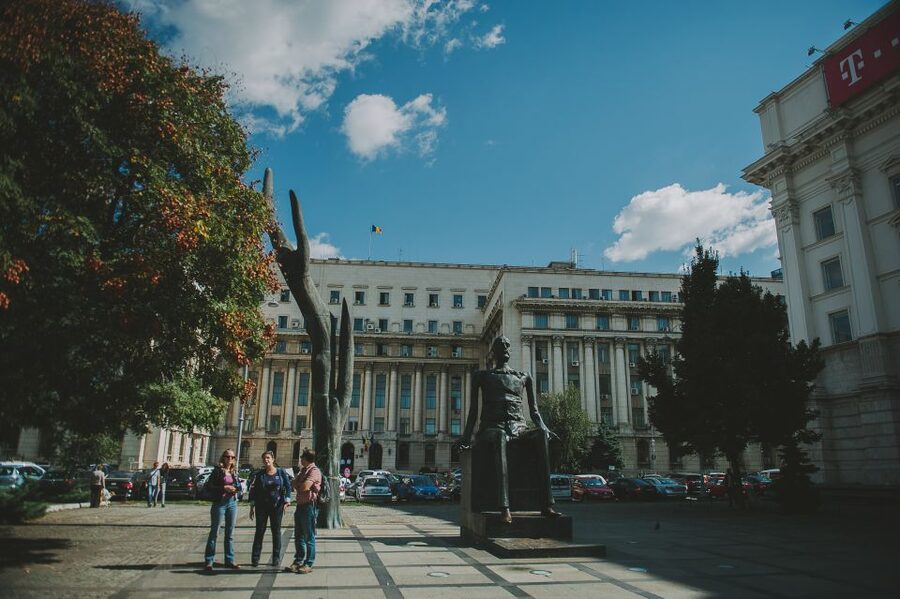
After interwar social history, the tour turns to a serial killer nicknamed the Vampire of Bucharest, who terrorized the city in the early 1970s. Your guide lays out the story and explains how fear traveled through the city during that period.
This part works best if you stay open-minded. Serial killer stories can get sensational fast, so pay attention to how your guide frames the case inside broader Bucharest life at the time. The tour’s strength is that it ties the crime to place, not just legend.
One of the reasons people rate the tour highly is that the guide answers follow-up questions. If you want to know how rumors spread or why certain nicknames stick in public memory, you’ll likely get straight answers, not hand-waving.
Other day trips from Bucharest
- Bucharest: Communism and History Guided City Walking Tour
★ 4.9 · 918 reviews - Bucharest: Small Group History, Art & Secrets Tour
★ 4.7 · 152 reviews - Guided Walking Tour of Historical Bucharest
★ 5.0 · 84 reviews - Roma Culture, Realities and Slavery History, Walking tour
★ 4.9 · 52 reviews - Bucharest Jewish Heritage | Holocaust Memorial | Private Car Tour
★ 5.0 · 38 reviews
Revolution Square: Communism’s Machinery, Up Close in Stories
The tour ends with Revolution Square, the place where the Revolution in 1989 began in Bucharest. This is where the story shifts from street-level events to the systems that controlled people.
You’ll talk about prisons, labor camps, and torture methods used by the communist regime to silence critics. The tour also explains Ceaușescu’s dictatorship and the terror enforced through the Securitate, described as Romania’s very own KGB.
This section is heavy, but it’s also one of the most important. It helps you understand why Bucharest in 1989 did not come out of nowhere. Control, fear, and brutal suppression shape what people dare to do next.
Your guide may point out details around the area that connect past violence to the modern city. Even if you do not know every historical term, the guide’s job is to make the square legible, so you can look at a street and understand why it mattered.
Metro Tickets, Street Snack, and How the Route Stays Sane
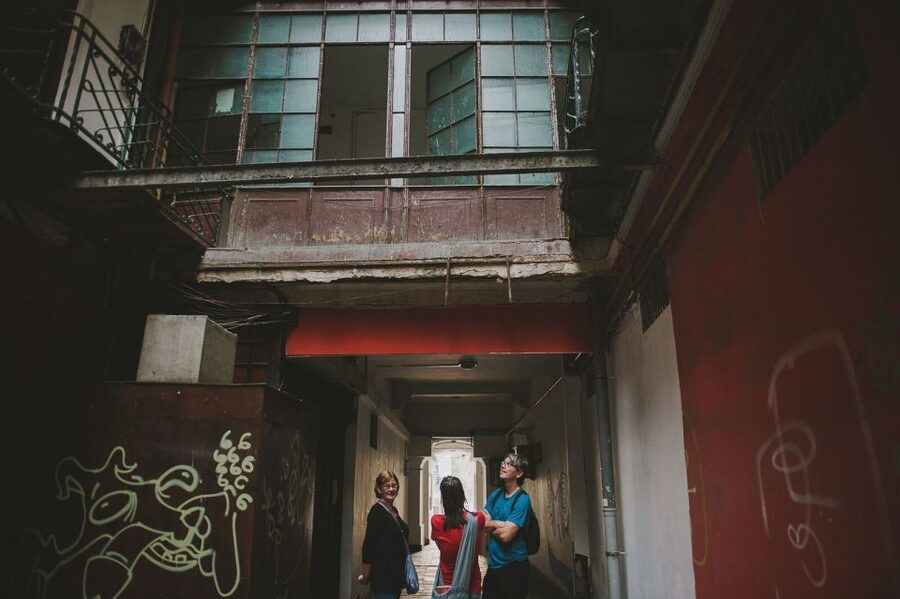
You do not just walk the whole time. Metro tickets are included, and that makes a practical difference. It also helps keep the tour within a real three-hour window without turning into a sprint.
You also get a traditional street snack. In some tours, people are handed a Romanian chocolate bar at the end, so keep that in mind if you are planning timing around meals.
For $55 per person, I see good value in what is bundled. You get:
- A local English-speaking guide
- Metro tickets included for moving between stops
- A snack to keep your energy steady during the cemetery and Revolution-area walking
Where this becomes extra valuable is the guide’s role. A strong guide turns dark history into something you understand, not something you memorize. The standout guides mentioned in the experience are often praised for being engaging, humorous in a respectful way, and attentive to comfort, including regular breaks when needed.
Who This Tour Is Best For
This is ideal if you want more than the standard highlights. You’ll enjoy it if you like stories that connect architecture, crime, politics, and everyday life.
It also helps if you want a guide who can adapt. Some guides are known for tailoring based on your interests and even sharing materials after the tour so you can keep researching later.
I would not call it a family tour. Travelers under 16 are not permitted, and the themes can be disturbing.
You also want to be comfortable with walking. Even though it’s only three hours, the route includes cemetery time and multiple outdoor stops.
How to Prepare So the Tour Feels Enjoyable, Not Draining
Here’s what I recommend doing before you show up:
- Wear comfortable shoes with grip, because cemetery ground and city sidewalks can be uneven
- Dress for cold if weather is cool, you will be outside for long stretches
- Bring a few questions, your guide is there to answer them
- If you are sensitive to torture or adult themes, mentally choose in advance how you want to handle those sections
Also, be respectful. Cemeteries and Revolution sites are not props. The tour is built around serious topics, and good behavior makes the whole experience feel more human.
Should You Book This Dark History Tour of Bucharest?
Book it if you want a focused, local-led route that shows how Bucharest’s biggest turning points and darkest shadows are literally written into the city. The Bellu Cemetery stop, University Square context, Revolution Square storytelling, and the Vampire of Bucharest case are a rare mix that goes beyond standard attractions.
Skip it if you want a light sightseeing day, or if you find political violence and adult themes too much. Also skip it if you cannot handle a steady walking pace for three hours.
If your goal is to understand Bucharest as a place that carries its past visibly, this tour is one of the best ways to do it in a short afternoon.
Just Added: New Tours From Bucharest
- Bear Watching in Transylvania 2-Day Tour
- National Village Museum and Comana Adventure Park
- Half Day Tour in Bucharest
- From Dracula to Ceaușescu- Romanian Terror Stories tour
- Full-Day Private Tour of Brasov City and Peles Castle from Bucharest
- Bucharest: Tour The Wine Road, 2 Boutique Wineries in 1 Day
- Bucharest Ceaușescu House Parliament Palace &Village Museum
- Wines of Wallachia – 8 hours
Historical Tours, compared.


Roma Culture, Realities and Slavery History, Walking tour
Read our review →
Bucharest Jewish Heritage | Holocaust Memorial | Private Car Tour
Read our review →
Private Bucharest: History & Food with Traditional Meal
Read our review →
Bucharest Historical Food Tour in Old Center
Read our review →
Half-Day Jewish Heritage Walking Tour in Bucharest
Read our review →Browse the lists this tour appears in