
Reviewed · HISTORICAL TOURS
Roma Culture, Realities and Slavery History, Walking tour
Bucharest has a story many tourists miss. This guided Roma culture and slavery history walking tour takes you through places tied to discrimination, resilience, and how myths formed, starting at Teatrul Ion Creangă near Piata Română. I like that the guide keeps separating myths vs truths as you walk, not just tossing dates at you.
I also really enjoyed the pacing and the variety of settings, from the formal grandeur of the Romanian Athenaeum to the calm break at Cișmigiu Gardens and then on to the Holocaust commemoration. The main drawback to plan for is that the subject matter is heavy, especially around human trafficking and genocide, so it is not a light, feel-good stroll.
In This Review
- Key highlights worth planning around
- Meeting Teatrul Ion Creangă and getting the big picture fast
- The former slave market stop: where history becomes personal
- Roman Athenaeum, culture, and how art shaped perceptions
- Cișmigiu Park: a calm reset in the middle of a tough lesson
- Holocaust memorial in Romania: remembering with care
- Communist-era traces, prejudice, and the post-war reality
- Piața Kogălniceanu and Revolution Square: Bucharest through a sharper lens
- Local café break: small reset, big benefit for group pace
- Optional jewelry workshop at Mesteshukar ButiQ (MBQ)
- Price and value: what $30 buys you in real terms
- Who should book this tour, and who might not
- Should you book Roma Culture, Realities and Slavery History?
- FAQ
- Where does the tour meet?
- How long is the walking tour?
- Is the tour guided in English?
- What is the price per person?
- Is food included?
- What sights are covered?
- What is included in the tour price?
- Can I reserve without paying right away, and can I cancel?
Key highlights worth planning around
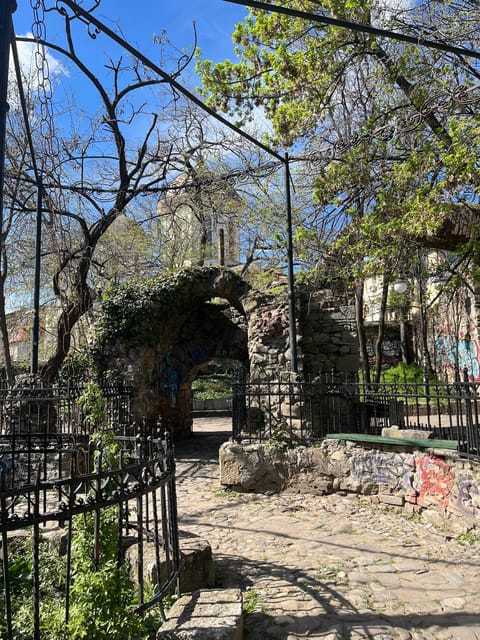
- Old slave market site: you stop where slavery and forced exploitation left a long shadow on identity
- Romanian Athenaeum and the arts angle: architecture and cultural prestige get tied back to public perceptions of Roma
- Cișmigiu Gardens pause: Bucharest’s oldest and largest garden gives you breathing room mid-tour
- Holocaust memorial in Romania: an on-foot moment to face the scale of persecution, including Roma victims
- Communist-era traces: street-level context for how a regime shaped daily life and prejudice
- Optional jewelry workshop at Mesteshukar ButiQ (MBQ): hands-on crafts with an authentic Roma artisan
Meeting Teatrul Ion Creangă and getting the big picture fast
Your tour starts at Teatrul Ion Creangă, Sala Mare, in a small square right in front. It is about a 3-minute walk from Piata Română metro station, which makes the start easy to plug into a Bucharest day without stress. You will be with an English-speaking guide for about 3 hours, walking at a steady but human pace.
What I like about this setup is how it frames your route. You are not just ticking off monuments. You are building a map of how Roma life was shaped by Romanian society, and how stereotypes stuck or shifted across different political eras.
Expect the guide to set a tone early: respectful, direct, and focused on separating what people claim from what history shows. Guides named in past groups include Andreea and Daniela, and Mihail has also led the tour, with the same clear theme of teaching without turning Roma culture into a costume.
The former slave market stop: where history becomes personal
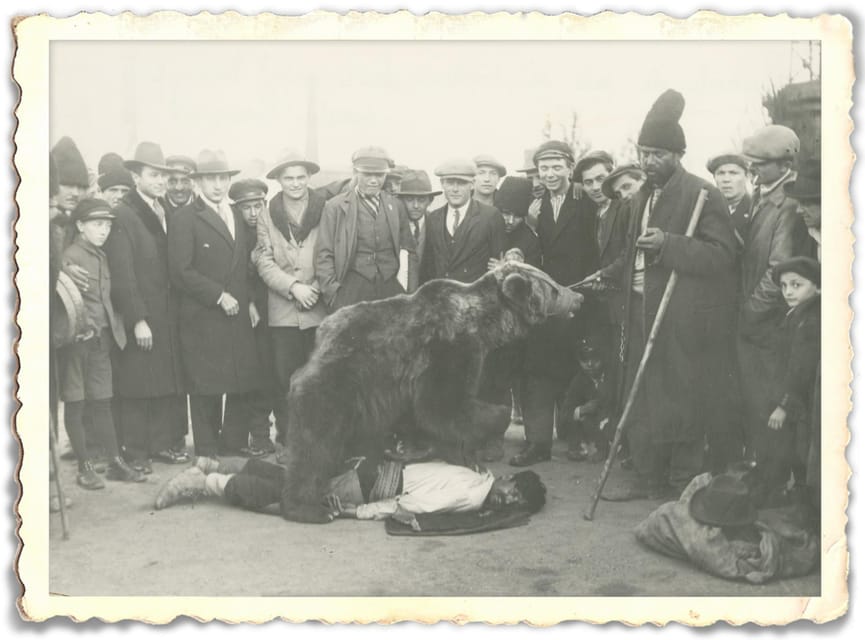
One of the first stops is at the site of a former slave market. This is the kind of place that makes you lower your voice even if you do not mean to. The guide explains the historical context behind the trade in human lives and how that experience shaped Roma identity and social status over generations.
This is also where myth vs truth matters most. When discrimination repeats over time, it turns into stories that sound plausible but do not help anyone. I liked that the guide points out how narratives develop, why they spread, and what Roma people and Romanian society experienced in real terms.
You will also likely hear how the tour connects older oppression to later misunderstandings. The point is not guilt for tourists. The point is clarity for you, so you can recognize bias when you see it later in everyday life, whether it is in art, politics, language, or who gets ignored.
Other day trips from Bucharest
- Bucharest: Communism and History Guided City Walking Tour★ 4.9 · 918 reviews
- Bucharest: 3-Hour Dark History Tour with a Local★ 4.9 · 301 reviews
- Bucharest: Small Group History, Art & Secrets Tour★ 4.7 · 152 reviews
Roman Athenaeum, culture, and how art shaped perceptions
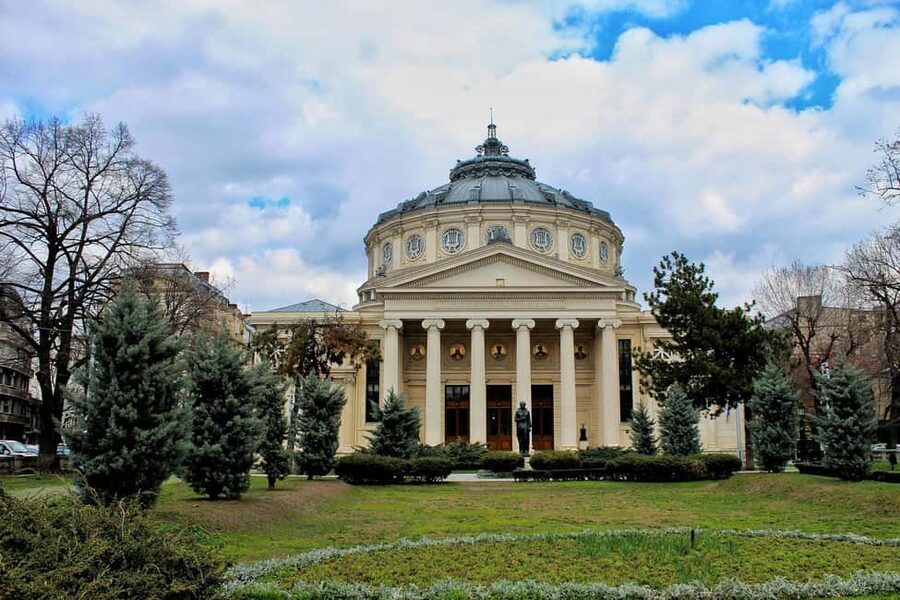
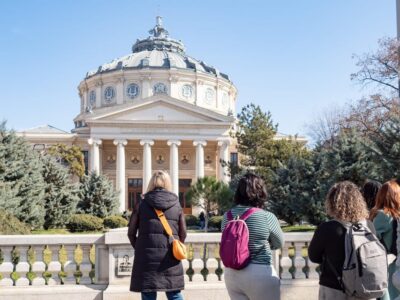
After that heavier start, you pass the Romanian Athenaeum. It is one of Bucharest’s most recognizable symbols of national pride, and the guide uses it for a purpose beyond sightseeing. You talk about how the arts and cultural prestige can influence perceptions of Roma, sometimes helping create visibility, and sometimes reinforcing a distorted image.
This stop works well if you are the type of traveler who likes to understand why a place matters. The Athenaeum is gorgeous, but the best part is the discussion that connects national identity, cultural institutions, and how minority groups get represented.
It also helps the tour feel balanced. You are not only learning about oppression. You are also learning about the wider social machine that decides what gets admired, what gets dismissed, and which stories are considered respectable.
Cișmigiu Park: a calm reset in the middle of a tough lesson
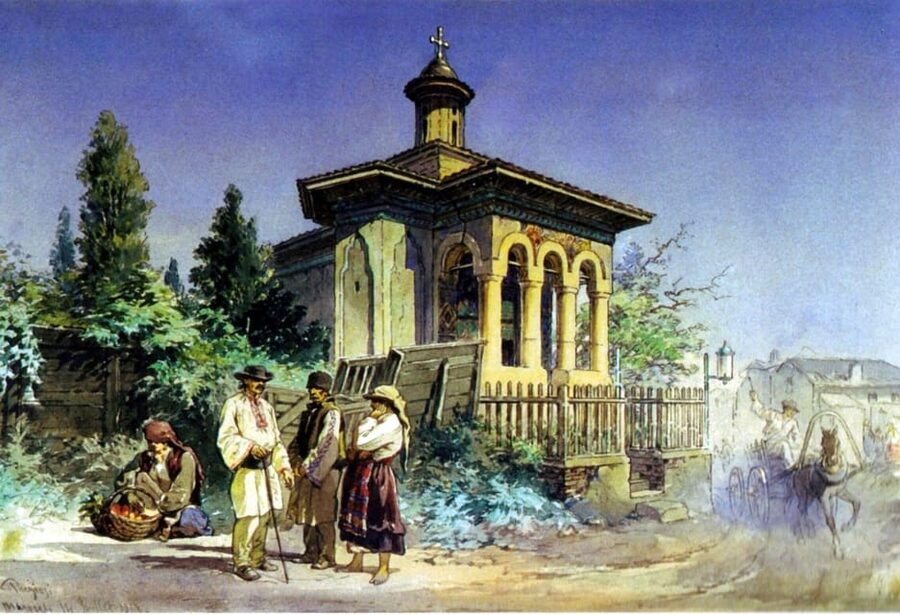
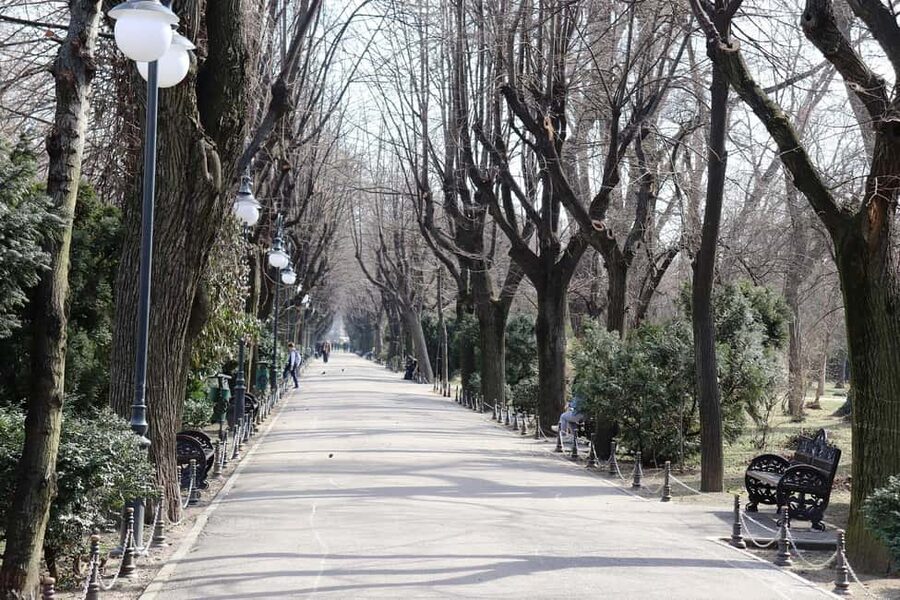
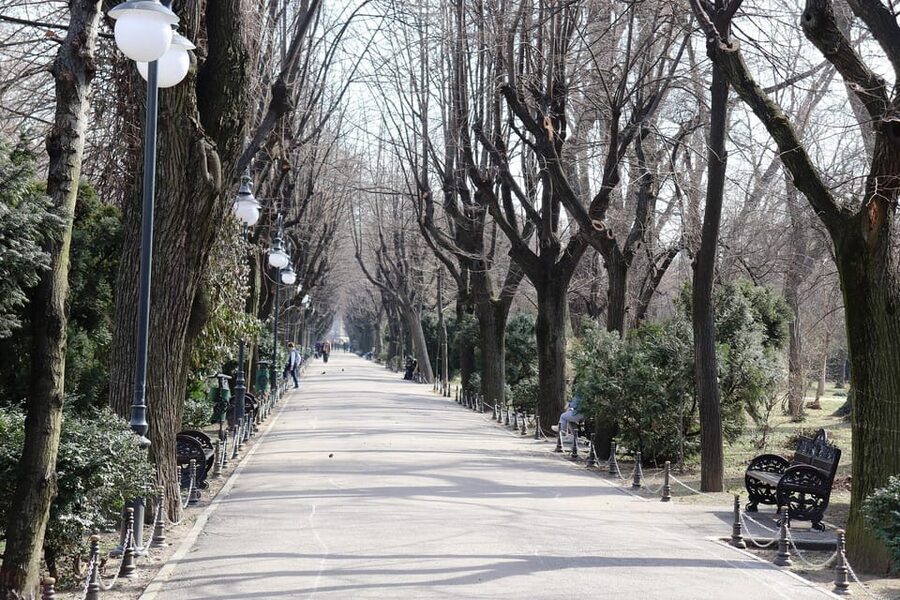
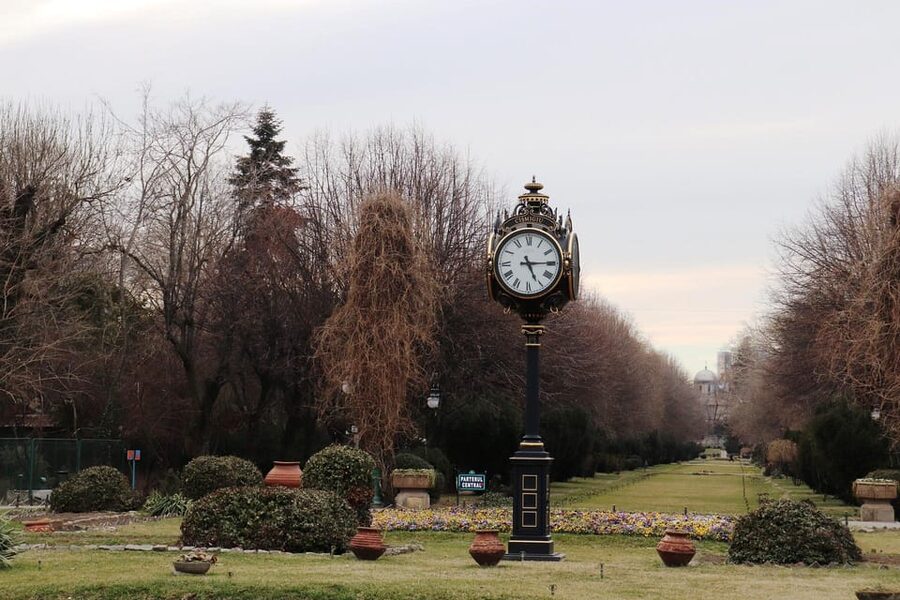
Next comes Cișmigiu Gardens, Bucharest’s oldest and largest garden. The tour gives you time here to slow down, walk under trees, and absorb a different side of the city. You get a guided portion while the group breathes out, plus you can ask questions in a quieter setting than the street corners.
What I appreciate is that the guide uses the park as more than a break. It becomes part of the lesson on myths and truths about Roma culture and traditions, in a place that feels less confrontational than memorial walls. You can see how public space holds different meanings at different moments, and how easy it is for people to stereotype when they have never spent time thinking carefully.
If you visit in warm weather, this pause is practical too. Past groups noted the guides kept the pace considerate, with pauses in shade and regular check-ins, which is especially helpful when you are learning about tough topics.
Holocaust memorial in Romania: remembering with care
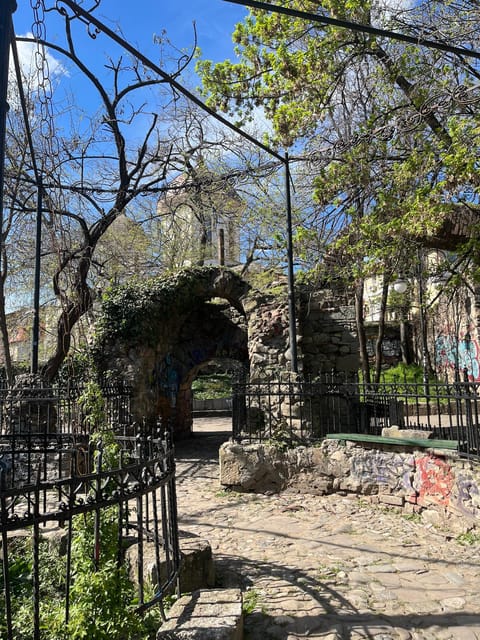
Then you reach an important landmark commemorating the Holocaust in Romania. There is a photo stop and a guided explanation, and the discussion includes the thousands of Roma lives lost to persecution and genocide.
This part of the tour matters because it refuses to treat the Roma story as side material. Roma suffering belongs in the full historical picture of the Holocaust era, and the guide makes that connection clearly.
I also like that you do not only stand in silence and move on. You learn what the memorial represents, why Roma were targeted, and how remembering should change what you expect from public memory in the present.
The emotional weight here is real. If you are sensitive to genocide topics, plan your day so you do not overload after the tour. A quiet dinner and a long walk somewhere pleasant can help you process.
Communist-era traces, prejudice, and the post-war reality
The tour continues through city streets where the communist past shows up in the built environment and in social patterns. You do not need to be a history buff to catch what the guide points out, because it is tied to lived experience.
You hear about the impact of the Communist regime and the challenges Roma communities faced during that time. The guide also connects these themes to questions of property and post-war life, including how disputes over ownership contributed to the uneven condition of some buildings you still see today.
This section is where the tour becomes useful for modern travel. You start to recognize that discrimination is not just personal prejudice. It can be structural, reinforced by systems, and embedded in policy or who gets access to stability.
And in a way, this is where the tour shows its most humane side. The guide shares stories of resilience, not to romanticize suffering, but to highlight how people survive, adapt, and keep culture alive under pressure.
These pair well with the day you just read about.
- Bucharest: Dracula’s Castle, Peles Castle, & Brasov Old Town
★ 4.5 · 17,858 reviews - Bucharest: Dracula Castle, Peles Castle & Brasov Old Town
★ 4.6 · 10,891 reviews - Bucharest: Dracula’s Castle, Peleș Castle & Brașov Day Trip
★ 4.4 · 6,100 reviews - Bucharest: Palace of Parliament Tickets and Guide
★ 4.3 · 3,182 reviews - Bucharest: Day Trip to Dracula Castle, Peles Castle & Brașov
★ 4.4 · 3,049 reviews
Piața Kogălniceanu and Revolution Square: Bucharest through a sharper lens
You pass and walk through areas including Piața Kogălniceanu and then continue toward Revolution Square, Bucharest. These stops help you see how major squares and political landmarks sit within the same city that held slavery markets, persecution, and later regimes.
The discussion here tends to focus on wider Romanian society. You hear about the role of Roma in Romania, and how stereotypes can distort what people think is normal. You also talk about how Roma culture and traditions are misunderstood, partly because myths are easier than facts.
For me, this is one of the best parts of the route. It is not only about where the hard history happened. It is about how that hard history still shapes what gets noticed in the cityscape and who gets ignored.
Local café break: small reset, big benefit for group pace
At some point the tour includes a 15-minute break at a local café. Food and drinks are not included, so you bring your own money, but the break is genuinely helpful. It gives your legs a chance to recover and helps you keep listening without feeling drained.
This is also where you can compare notes with the group. If you like to ask questions, you usually get the best moments during a pause like this, when energy is lower and curiosity is higher.
Optional jewelry workshop at Mesteshukar ButiQ (MBQ)
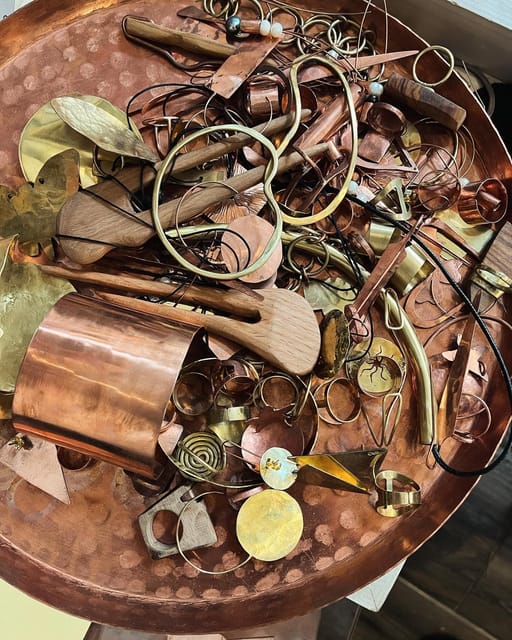
If you choose the optional add-on, you end at Mesteshukar ButiQ (MBQ). This is where the jewelry workshop happens, with transportation included if you select the option. The experience is built around making something with a Roma craftsman in a traditional workshop setting.
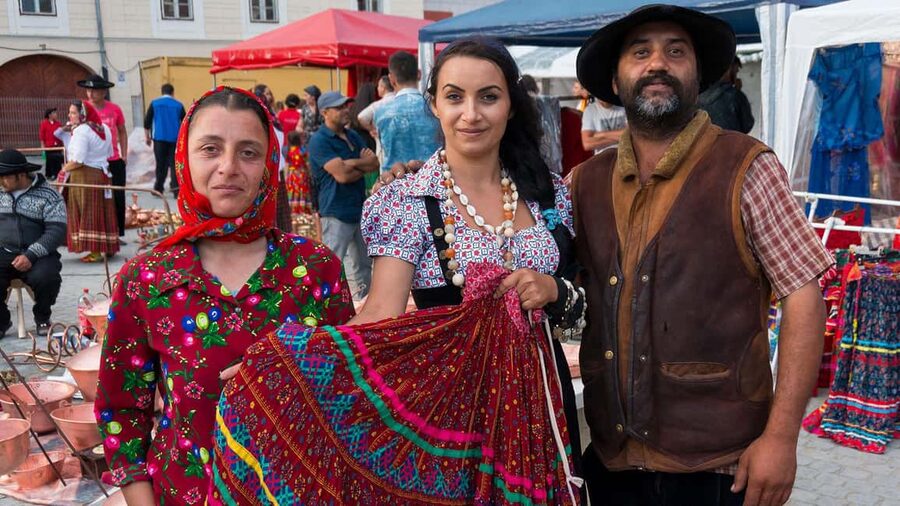
I like this add-on because it does not ask you to treat Roma culture as only tragic history. It shows craft, skill, and creativity as living culture. You get a hands-on chance to create your own piece of jewelry, which also makes the tour stick in memory.
Important practical note: you are spending extra energy at the workshop, so if you have low tolerance for workshops that require close attention, pick the option only if you are genuinely interested in making something.
Price and value: what $30 buys you in real terms
At $30 per person for a 3-hour walking tour, this is strong value if you care about meaningful context. You get a guide, the full walking experience, and you can add the jewelry workshop if you want the hands-on cultural component. It is also priced in a way that feels reachable compared to many niche cultural tours in major European cities.
The real value is not just time. It is the specific focus: Roma history in Bucharest tied to slavery, the Holocaust memorial context, communist-era impacts, and myths vs truths. If your goal is a broad city overview, this will feel too specific. If your goal is a sharper, truer understanding of Romania, it fits very well.
Who should book this tour, and who might not
This tour suits you if you want more than sightseeing and you enjoy careful, sensitive storytelling. It is a good pick for travelers who like learning with context, asking questions, and understanding how prejudice works across time.
It may not be the best match if you want a purely cheerful walk or if genocide and slavery topics will hit you hard right now. Also, if you specifically want direct interaction with Roma community members beyond the guide’s perspective, this format is mainly guided explanation rather than a sit-down conversation.
Should you book Roma Culture, Realities and Slavery History?
Yes, if you are ready to learn in a focused, respectful way. I think it is one of the most worthwhile Bucharest walking experiences for anyone who wants to understand how Roma history and perceptions are woven into Romanian society, not treated as an afterthought.
If you book, come with comfortable shoes, a bit of emotional space, and an open mind. The payoff is clarity: you leave with a better sense of Bucharest as a real city with real histories, and you learn how myths can distort people, even when the buildings look beautiful.
FAQ
Where does the tour meet?
Meet in the small square in front of the Ion Creanga Theatre, 3 minutes walking distance from Piata Romana metro station.
How long is the walking tour?
The duration is 3 hours.
Is the tour guided in English?
Yes, the tour includes a live guide in English.
What is the price per person?
The price is $30 per person.
Is food included?
No, food and drinks are not included. There is a break time at a local café during the tour.
What sights are covered?
You visit or pass key locations including the site of a former slave market, the Romanian Athenaeum, Cișmigiu Park, a Holocaust memorial in Romania, Piața Kogălniceanu, and Revolution Square.
What is included in the tour price?
Included are the guide and the walking tour. If you select the option, the jewelry workshop and transportation are included.
Can I reserve without paying right away, and can I cancel?
You can reserve now & pay later. Free cancellation is available up to 24 hours in advance for a full refund.
Just Added: New Tours From Bucharest
- Bear Watching in Transylvania 2-Day Tour
- National Village Museum and Comana Adventure Park
- Half Day Tour in Bucharest
- From Dracula to Ceaușescu- Romanian Terror Stories tour
- Full-Day Private Tour of Brasov City and Peles Castle from Bucharest
- Bucharest: Tour The Wine Road, 2 Boutique Wineries in 1 Day
- Bucharest Ceaușescu House Parliament Palace &Village Museum
- Wines of Wallachia – 8 hours
Historical Tours, compared.
Bucharest Jewish Heritage | Holocaust Memorial | Private Car Tour
Read our review →
Private Bucharest: History & Food with Traditional Meal
Read our review →
Bucharest Historical Food Tour in Old Center
Read our review →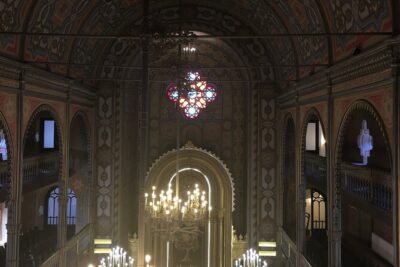
Half-Day Jewish Heritage Walking Tour in Bucharest
Read our review →Browse the lists this tour appears in