
Reviewed · COMMUNIST BUCHAREST TOURS
Bucharest: Communist Tour with Museum & Communist Appetizers
Communism comes with a side of food. On this 3-hour Bucharest by Foot walk, you trace Ceausescu-era power from Parliament to Revolution Square, then stop at the interactive Museum of Communism. I love the small group size (8 people) and the hands-on museum exhibits, and you actually taste snacks that fit the story, not just hear facts. The main drawback: there is a moderate amount of walking, so comfy shoes matter, and wheelchair access is not provided.
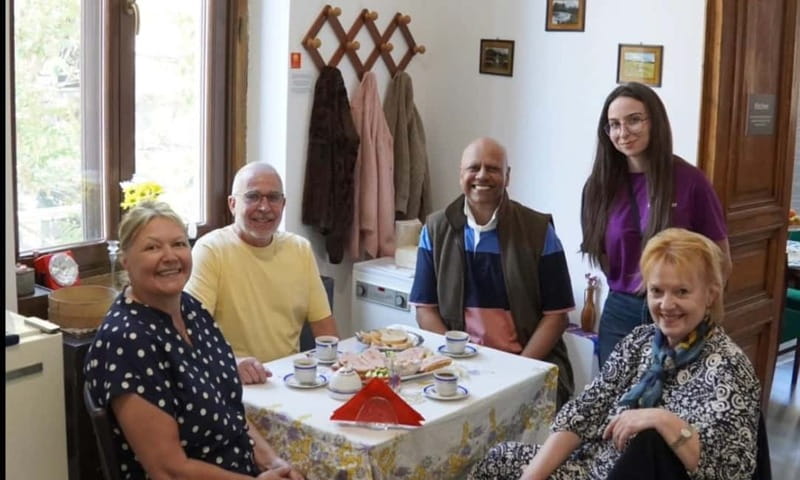
A highlight for me is the human scale. You get personal stories about daily life under the communist regime, guided in English by someone like Ali, who keeps the conversation moving. And yes, you try the famous coffee substitute, nechezol, with a snack served on vintage tableware from the era.
In This Review
- Key things I’d plan around before you go
- Walking Bucharest’s Ceausescu Power Route, Parliament to Revolution Square
- Museum of Communism Bucharest, Interactive Exhibits Instead of Static Displays
- Snack and Nechezol Coffee Substitute, 80s Flavors on Vintage Tableware
- Personal Stories That Turn Policy Into Everyday Life
- Timing, Walking Pace, and What to Bring for a 3-Hour Tour
- Price and Value, What $47 Gets You in Real Terms
- Who This Bucharest Communist Tour Suits Best
- Should You Book This Communist Tour with Museum and Communist Appetizers?
- FAQ
- Where does the tour start?
- How long is the tour?
- What is the price per person?
- Is it a small group?
- Is the tour guided in English?
- What do I visit during the tour?
- What is nechezol?
- Are snacks included?
- What should I bring?
- How much walking is involved?
- Is the museum and tour accessible for wheelchair users?
Key things I’d plan around before you go
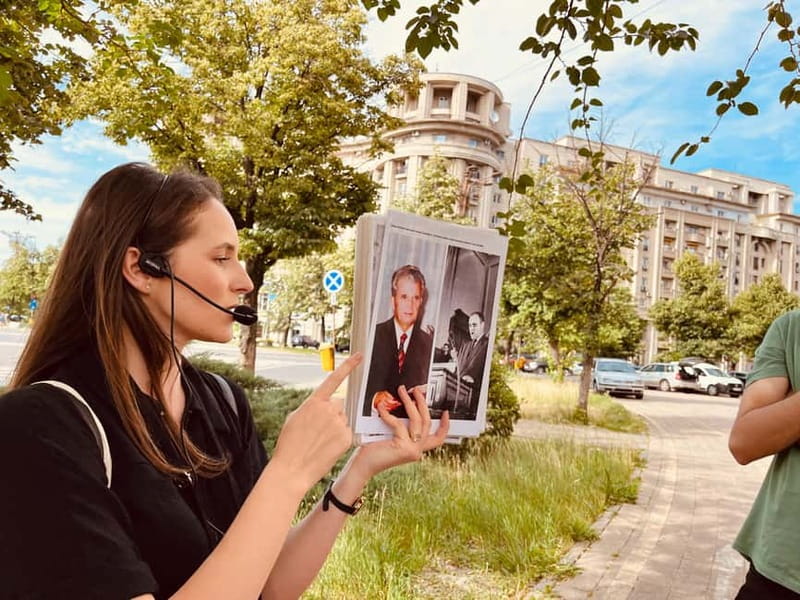
- Parliament to Revolution Square route: you connect architecture, power, and the end of the regime.
- Museum of Communism, interactive style: touch, sit, try on items, and take photos where allowed.
- Nechezol + snack break: salty and sweet 80s bites, plus a coffee substitute tied to scarcity.
- Small group pacing: capped at 8 people, so questions feel natural.
- Guided in English: live guide on the walking portion and inside the museum.
Walking Bucharest’s Ceausescu Power Route, Parliament to Revolution Square
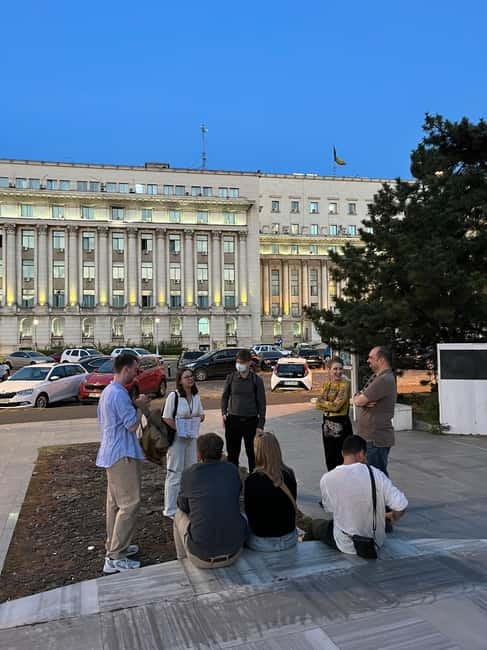
This tour is built like a story you walk through. You start in the area of Parliament, the massive building tied to Nicolae Ceausescu’s grip on the city, and you move toward Revolution Square, the place where the public drama of 1989 reached its breaking point.
The Parliament stop matters because it sets the tone fast. Big politics in a visible form. Even if you only know a little about Romania’s 20th century, seeing how power was displayed in stone helps you understand why communist rule was not just about laws, it was about control, symbolism, and public behavior.
As you walk, you are not just collecting names and dates. The guide ties the landmarks to the mindset of the era, including how international politics shaped what communism looked like in Romania. That context is key, because it stops the topic from feeling like a single-country mystery and turns it into something you can actually place in the wider Cold War world.
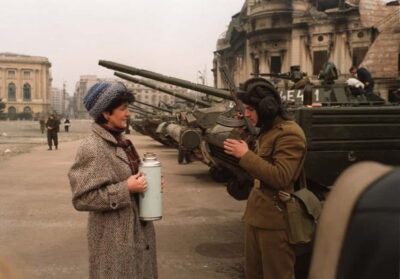
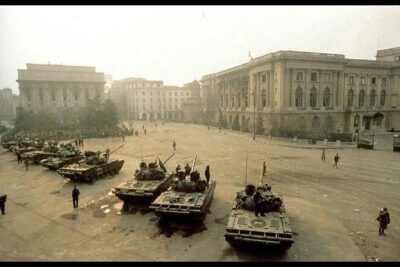
Then you reach Revolution Square, where Ceausescu held his last public speech and was killed publicly along with his wife, Elena. Standing there with a guide is different from reading a page. You get the sense of urgency, the feeling that everything shifted from staged authority to a sudden collapse.
Practical tip: this part is mostly about walking and seeing. Bring your camera, but also leave yourself a little time to look. A lot of the meaning here is visual, and the best photos are often the ones you take after you notice what the guide points out.
Museum of Communism Bucharest, Interactive Exhibits Instead of Static Displays
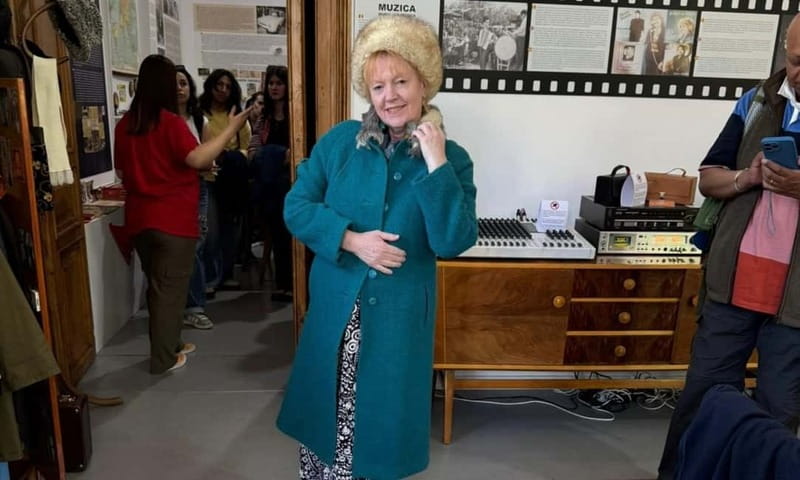
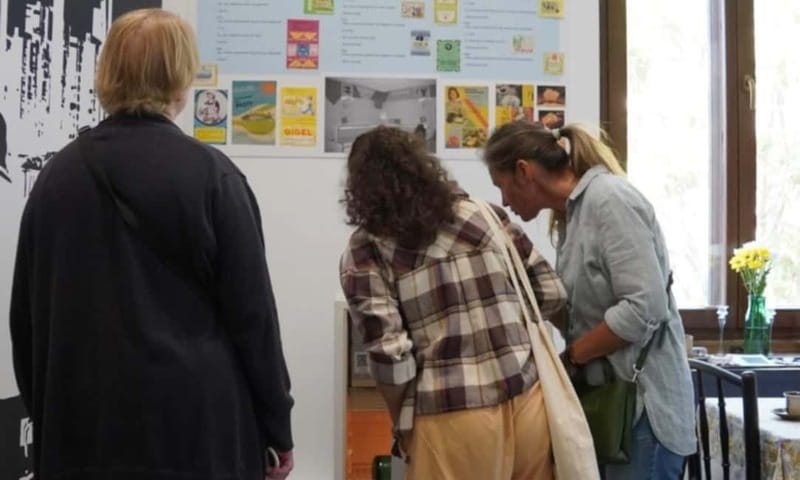
Mid-tour you shift gears to the Museum of Communism, where the experience turns hands-on. You get a guided visit with interactive exhibits designed for participation, not just observation.
What makes this stop especially useful is the variety of ways you can interact. The museum invites you to:
- read books and look at period materials
- take pictures in the spaces provided
- sit on old pieces of furniture
- try on hats and clothes from the 70s and 80s
- handle certain exhibit elements where the museum allows it
That matters because communism can sound abstract. Even the word ideology can feel like a textbook term. The museum helps it become personal and physical. When you sit in furniture from that era or try on clothing, you start imagining how a routine would feel, how people looked and moved, and how daily life was shaped by scarcity and rules.
There is also a built-in learning arc. The tour doesn’t treat the museum as a random stop. It connects communist ideology to its international background and then moves toward the revolution of 1989. So the museum becomes the bridge between earlier landmark context and the emotional finish at Revolution Square.
Possible drawback to consider: this is interactive. If you dislike hands-on museum formats, you might find the experience a bit more active than you prefer. Still, you can observe at your own pace, and the guided explanations do the heavy lifting.
Also, the tour includes museum admission, and you skip the ticket line. For a 3-hour experience, that time-saving detail can be more valuable than it sounds.
Still standing, block after block
- Bucharest: Communism and History Guided City Walking Tour★ 4.9 · 918 reviews
- The Real tour of Communism★ 5.0 · 666 reviews
- Life under Communism★ 5.0 · 358 reviews
Snack and Nechezol Coffee Substitute, 80s Flavors on Vintage Tableware
The food stop is not a random add-on. It is part of the education.
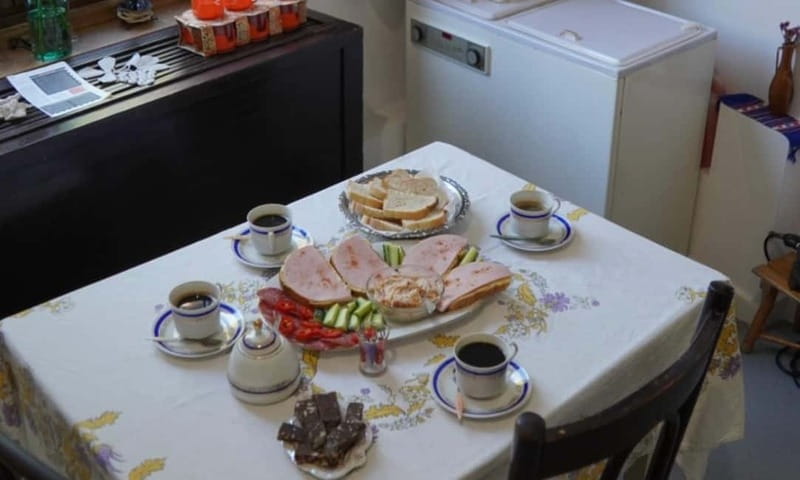
You taste salty and sweet snacks typical of communist Romania, served alongside a cup of nechezol, a coffee substitute associated with the 1980s. The tour frames it as something people drank during a period when food scarcity was dramatic, and that context changes how you experience the flavor. You are not just tasting something strange, you are tasting a workaround.
The snacks and drinks come with a vintage tableware presentation from the era. That detail is surprisingly effective. It nudges you out of modern café mode and into the mindset of how ordinary moments were experienced when choices were limited.
A practical way to handle it: keep your water handy and expect the taste to be unfamiliar. You are tasting a substitute, not your usual coffee. If you have strong preferences for coffee or sensitive taste buds, go in knowing you are likely to notice the difference.
The best part is that the snack break gives you a breathing moment. You spend hours thinking about big themes and heavy events. The pause with food brings the story back to daily life.
Personal Stories That Turn Policy Into Everyday Life
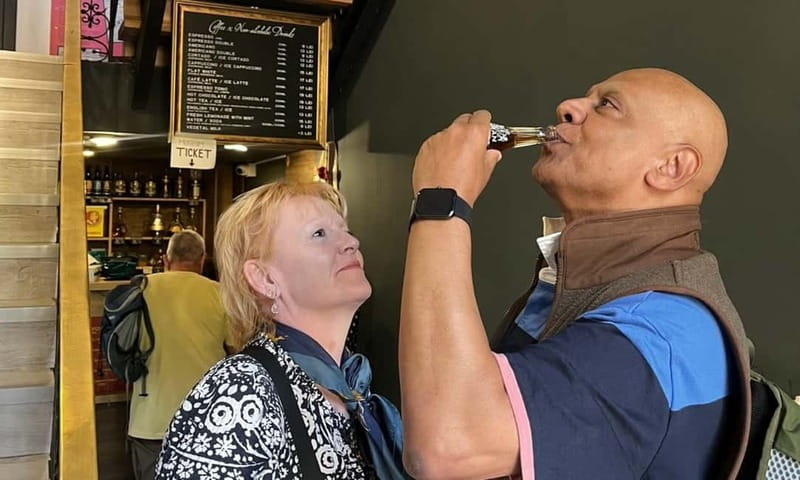
This tour keeps returning to one idea: communism was experienced by ordinary people in ordinary routines. That is why the guide includes personal stories about life under the regime in Romania.
These stories matter because they handle a common problem with political tours. Without human examples, the topic becomes a list of events. With lived details, the same facts start to make sense. You understand what shortages could feel like, what rules might change in public space, and why people adapted in small ways.
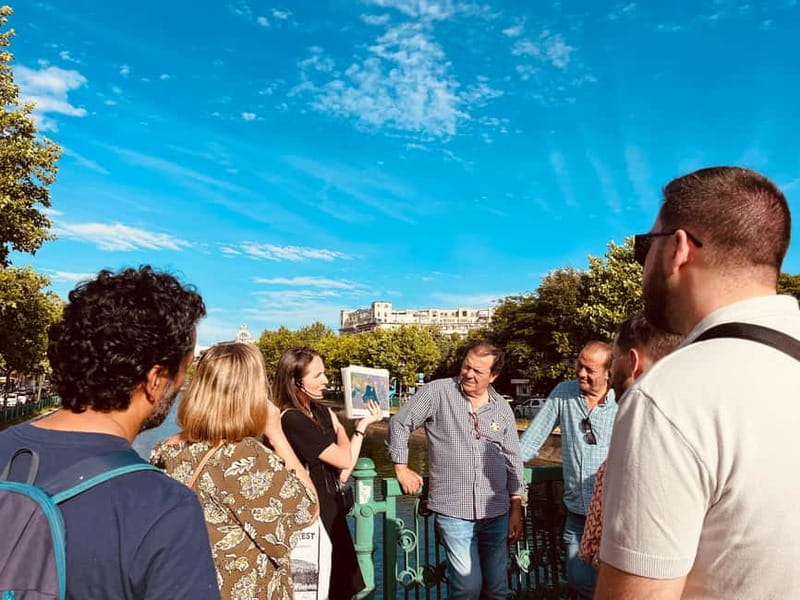
The format helps here, too. The group is small, limited to 8 people, so it is easier for the guide to bring the story down to your questions and interests. English live guiding also means you can follow explanations in real time rather than reading everything later.
One guide name you may hear is Ali. In an earlier booking, Ali was described as engaging and able to explain the communist era clearly. Even without relying on that specific example, the takeaway for you is simple: you want a guide who can connect the landmarks and museum pieces to human experience, not just recite dates.
If you prefer a strict history lecture, this tour may feel story-forward. But if you want history with a pulse, this is exactly the kind of structure that works.
Timing, Walking Pace, and What to Bring for a 3-Hour Tour
This is a 3-hour experience, and it is not designed to be a long stop-and-stroll day. You will move between points, then spend time in the museum, then finish at Revolution Square.
The good news: the walking is described as moderate. Still, moderate adds up when you are dealing with city sidewalks and standing for views. Plan for at least one stretch of time where your legs get the work.
What I’d bring, based on the tour’s guidance:
- Comfortable walking shoes
- A camera for photos
- Water, since hydration is recommended
Also, wear clothing that works for indoor and outdoor time. You are outside for part of the route and inside for the museum.
Wheelchair users: this tour is not suitable for wheelchair access. If mobility is a concern, it is worth looking for a different format or asking the provider what alternatives exist before you book.
Price and Value, What $47 Gets You in Real Terms

At $47 per person, this tour packs several things into one ticket price: a guided walking tour of Bucharest’s communist history, museum admission, a guided visit inside the Museum of Communism with interactive exhibits, and the food component (a communist-era snack plus nechezol coffee substitute). You also get the vintage tableware experience.
So you are not paying just for walking and commentary. You are paying for entry, access, and a hands-on learning format. In a city where museum visits can be separate purchases, this bundled approach adds value.
The small-group limit to 8 people is part of the value story, too. It usually means better pacing and fewer people competing for attention inside the museum and at stops along the route.
Is it worth it for you? It depends on your travel style. If you like museums that you can participate in, and you enjoy history told through everyday details, this is a strong match. If you only want monuments and wide-open sightseeing, you might prefer a more conventional walking tour without the food and interactive museum component.
Rainy-day museum collections
- Bucharest: Museum of Senses Entry Ticket
★ 4.2 · 364 reviews - Bucharest: Parliament, Ceausescu House & Village Museum Tour
★ 5.0 · 208 reviews - Communism in Bucharest – Landmarks, Museum & Communist Appetizers
★ 5.0 · 111 reviews - Bucharest: Entry ticket at the Museum of Communism
★ 4.6 · 57 reviews - Bucharest: Museum of Communism Ticket with Communist Coffee
★ 4.6 · 52 reviews
Who This Bucharest Communist Tour Suits Best
You’ll likely enjoy this tour if you:
- want a Bucharest experience focused on 20th-century history, not just old town vibes
- enjoy museums where you can touch, sit, and try period items
- are curious about how communism affected daily life, including food habits
- appreciate a small-group setting that leaves room for questions
You may hesitate if:
- you dislike interactive museum formats
- you need wheelchair-friendly accessibility
- you are sensitive to themes tied to political violence and the 1989 revolution
The reason it works for the right audience is that it connects three layers: power in the streets, ideology explained in context, and lived experience through stories and everyday objects.
Should You Book This Communist Tour with Museum and Communist Appetizers?
I’d book it if you want a short, focused way to understand Romania’s communist era without turning it into a dry lecture. The combination is practical: guided landmark walking, a hands-on museum with interactive exhibits, and the food stop with nechezol and period snacks gives you a memorable anchor for the facts.
I would skip it only if walking is a big problem for you or if you strongly prefer museums that stay behind glass. Otherwise, this is the kind of tour that gives you more than photos. You leave with a clearer picture of how power looked, how ideology worked in daily life, and why the revolution mattered.
FAQ
Where does the tour start?
You meet in front of a restaurant. The company color is purple, so look for a guide wearing a purple t-shirt, a purple umbrella, or a bag marked Bucharest by Foot.
How long is the tour?
The tour lasts 3 hours.
What is the price per person?
The price is $47 per person.
Is it a small group?
Yes. The group is limited to 8 participants.
Is the tour guided in English?
Yes. The live tour guide speaks English.
What do I visit during the tour?
You start near major communist-era landmarks in Bucharest, visit Revolution Square, and stop at the Museum of Communism for an interactive guided visit.
What is nechezol?
Nechezol is a coffee substitute popularly drunk in the 1980s. You try it as part of the snack portion of the tour.
Are snacks included?
Yes. You get a snack typical of communist Romania, served with a cup of nechezol.
What should I bring?
Bring comfortable walking shoes, a camera, and water.
How much walking is involved?
Expect a moderate amount of walking.
Is the museum and tour accessible for wheelchair users?
No. The tour is not suitable for wheelchair users.
Just Added: New Tours From Bucharest
- Bear Watching in Transylvania 2-Day Tour
- National Village Museum and Comana Adventure Park
- Half Day Tour in Bucharest
- From Dracula to Ceaușescu- Romanian Terror Stories tour
- Full-Day Private Tour of Brasov City and Peles Castle from Bucharest
- Bucharest: Tour The Wine Road, 2 Boutique Wineries in 1 Day
- Bucharest Ceaușescu House Parliament Palace &Village Museum
- Full-Day Private Tour of Bucharest and Mogosoaia Palace
Communist Bucharest Tours, compared.
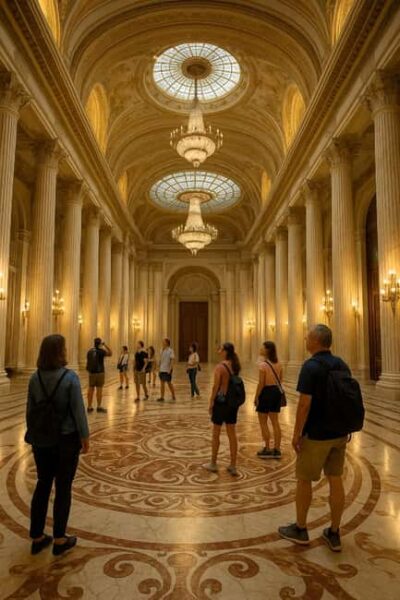
Parliament, Ceausescu House & Village Museum Tour
Read our review →
Bucharest Essential Tour: Old Town, Calea Victoriei & Communism
Read our review →
Communism in Bucharest – Landmarks, Museum & Communist Appetizers
Read our review →
Browse the lists this tour appears in