
Reviewed · COMMUNIST BUCHAREST TOURS
Bucharest’s scars of Communism-half day private walking tour
Communism shows up in Bucharest every day. This half-day private walking tour follows the story from the party’s beginnings to the streets that helped topple dictatorship, with a local guide explaining what you see.
I especially like how Razvan Trancu brings the events down to street corners, not just dates in a book, and how the route uses major downtown landmarks for a clear, chronological flow. One thing to consider: it is packed into four hours, so if you want long stops at every building, you may feel a bit rushed.
You also get flexibility. The tour is customizable to your preferences, so I can see how the focus can shift toward what you personally care about, including geopolitical angles tied to World War II that Razvan is happy to connect to what happened in Romania.
My only caution is practical: the tour includes a quick subway ride and several exterior views, so if you need lots of indoor time, plan for that before you go.
In This Review
- Key points before you go
- Where Bucharest’s Communist scars show up in real life
- Starting at Starbucks University, then getting your bearings fast
- University Square: the origins, the Soviet connection, and the graffiti you should not ignore
- Revolution Square: dictatorship, revolt, and the outside views that carry weight
- A quick subway ride to the unfinished Communist museum ruins
- The 1980s administrative center mood at Piata Constituției
- Private group value: $165 per group up to 7
- Who this tour fits best (and who might want something else)
- Getting more out of it on your own, right after the tour
- Should you book this Communist scars walking tour?
- FAQ
- How long is the Bucharest’s scars of Communism half-day private walking tour?
- What is the meeting point?
- How much does the tour cost and what is the group size?
- What languages is the live guide available in?
- Which areas will we see during the tour?
- What is included in the price?
- What is not included?
- Is the tour wheelchair accessible?
- Is free cancellation available?
Key points before you go
- Local guide Razvan Trancu with a witness-like way of explaining what you see
- University Square and Revolution Square with the full thread of dictatorship and revolt
- Flexible route pacing, adjustable to your interests
- Subway hop to the unfinished Communist history museum ruins
- Ends in Piata Constituției, in the 1980s administrative center mood
- Private group size up to 7, for a more personal experience
Where Bucharest’s Communist scars show up in real life
Bucharest can feel like a city of layers, and this tour is built for that. Instead of treating Communism like a distant chapter, you track it through physical places downtown and then into the “planned future” zone the regime left behind.
What makes it work is the guide’s approach. Razvan Trancu doesn’t just point at monuments. He links each spot to what it meant politically, how power was structured, and how Romania’s path shifted over time. You end up seeing the city as a kind of map of cause and effect.
The other good part is that the tour uses big public squares and obvious landmarks. That means even if you are new to Bucharest, you leave with your bearings fast. You can later walk out on your own and recognize what you are looking at.
Starting at Starbucks University, then getting your bearings fast
You meet at Starbucks University, main door. It is a simple meet point, easy to find if you are staying in central Bucharest or using the metro around the University area.
From the start, the format is geared toward orientation. In a few stops, you are not only learning names, you are building a mental picture of where the Communist story sits in the actual city grid. That matters because Bucharest can be a bit of a maze if you only rely on your own sense of direction.
This tour also uses public transit, including a quick subway ride later. Knowing that up front helps you pack correctly. Wear shoes you are comfortable walking in, and keep your day bag small enough that a metro segment does not slow you down.
Still standing, block after block
- Bucharest: Communism and History Guided City Walking Tour★ 4.9 · 918 reviews
- The Real tour of Communism★ 5.0 · 666 reviews
- Life under Communism★ 5.0 · 358 reviews
University Square: the origins, the Soviet connection, and the graffiti you should not ignore
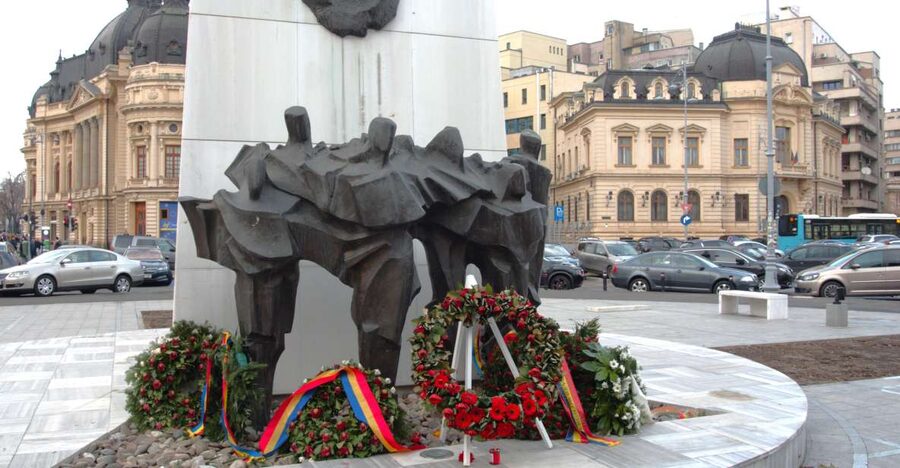
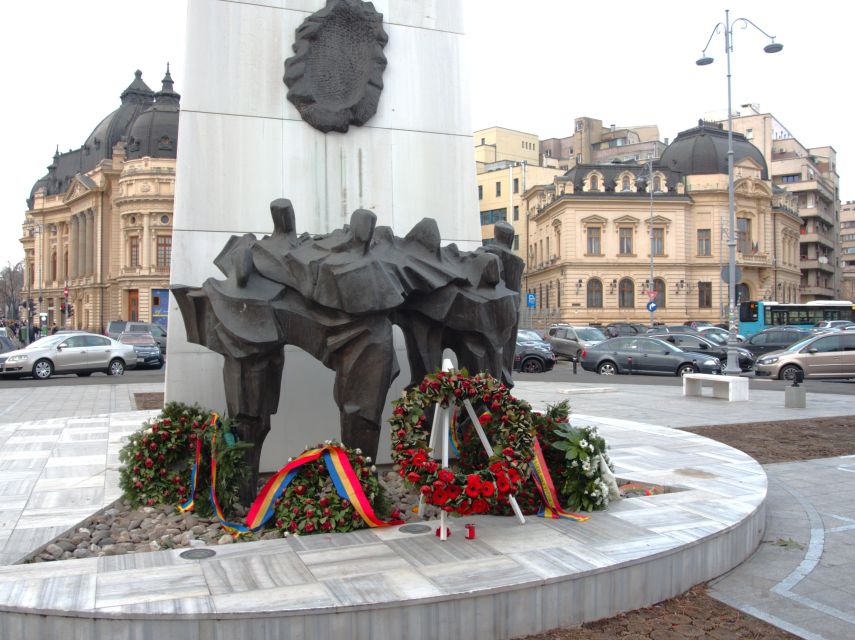
University Square is your first guided block, about an hour. This is where the tour starts telling you how the Communist Party story begins in Romania, including the Soviet connections that shaped early power relationships.
You also hear about a violent night that changed Romania’s recent history and geopolitical destiny. The key value here is how the guide ties that dramatic turning point back to the spaces you are standing in now. The location stops being a blank background and becomes part of the narrative.
One of the most memorable details you are likely to notice is the graffiti. Even if you normally skip street art, this is the kind of place where it acts like a second layer of history. It is not just decoration. It is commentary, and it helps explain how people talk about events when politics has shifted.
The practical benefit of spending time at University Square first is that it gives you a baseline. When you move to the next squares, you are not starting from zero.
Revolution Square: dictatorship, revolt, and the outside views that carry weight
Revolution Square is the second guided block, also about an hour. This is where the tone gets heavier and the “why” becomes clearer.
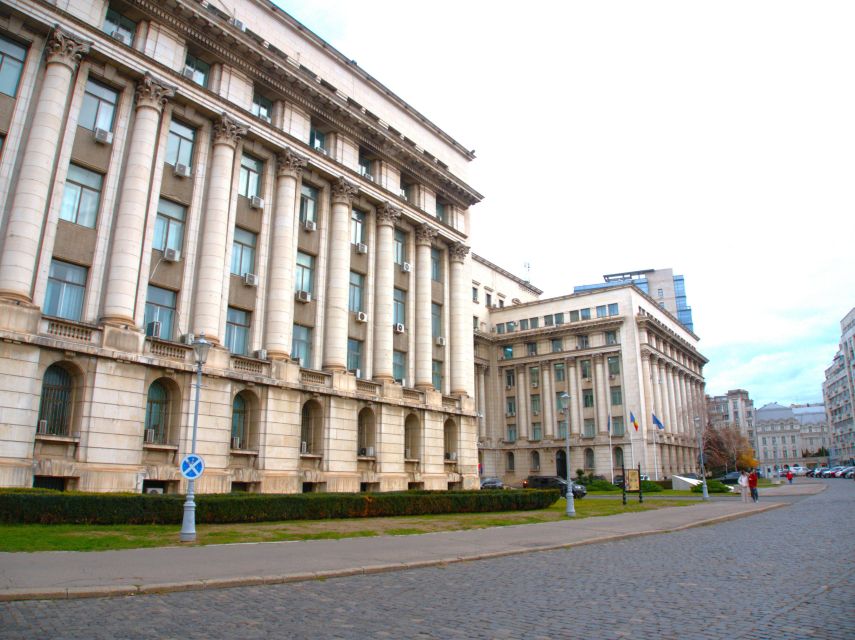
You see the outside view of the Central Committee of the Romanian Communist Party. From there, you learn about the years of dictatorship, starting with the Soviet occupation and continuing toward the disaster that eventually ended the system. The guide also covers main characters and the causes that pushed the revolt forward.
There is also an outside view of the Congress hall right here in the Revolution Square context. Even without going inside, you get enough framing to understand why these buildings matter. You start to see how the regime used official spaces to project authority, and how those same spaces became targets or symbols once resistance gathered momentum.
A good sign of a great history tour is whether it makes you look differently at plain concrete. Here, you should come away noticing details, not because you are hunting them, but because the guide gives you language for what they represent.
After Revolution Square, the tour passes Sala Palatului for about ten minutes. That quick pass helps you keep moving through the central core without breaking your flow.
A quick subway ride to the unfinished Communist museum ruins
After the Revolution Square segment, you take a quick subway ride. That shift matters. It prevents the tour from feeling like you are stuck in one bubble of downtown viewpoints. You move to a different part of Bucharest, and the theme follows you there.
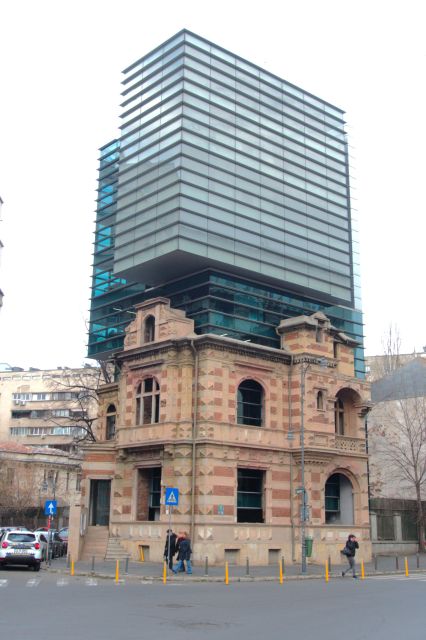
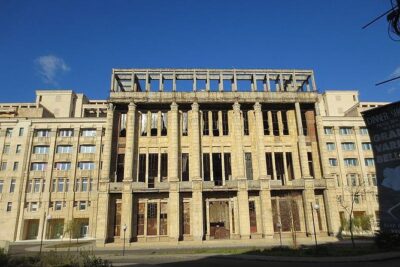
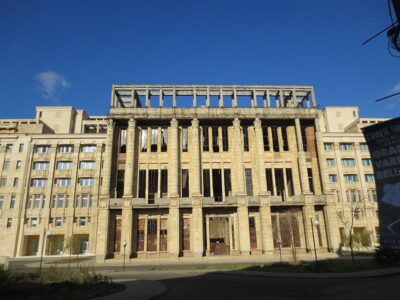
Next comes one of the most haunting moments: the ruins of the unfinished Communist history museum. The location is described as west-central part of the city, and it fits the broader story of plans that never reached their promised future.
This stop is valuable because it shows a different side of the Communist legacy. Not just government power and public squares, but also the unfinished outcomes, the projects that linger after political reality changed. You are not looking at a polished exhibit. You are seeing what was left behind.
If you like history that can be read through what is missing, this stop will land. It also gives your brain a break from “talking statues” and replaces it with something more human and more awkward, like a building caught mid-thought.
The 1980s administrative center mood at Piata Constituției
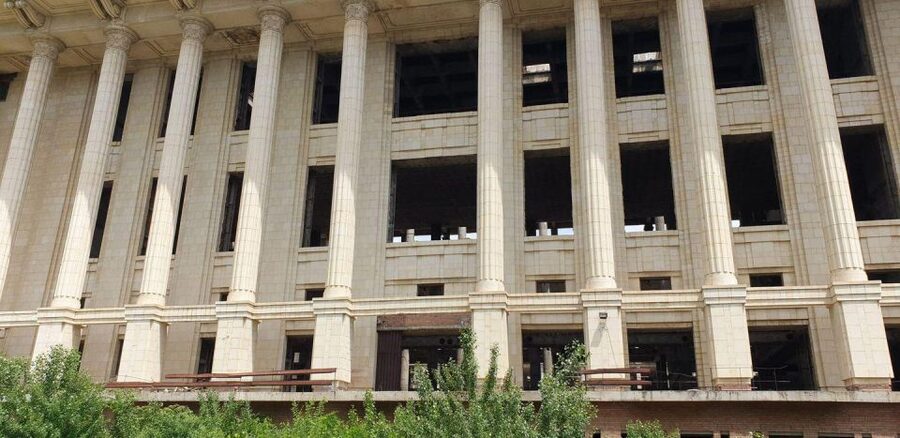
The tour ends in Piata Constituției, in the Utopian administrative center of the 1980s. This is a strong ending choice because it puts you in a part of Bucharest where planning and power-building were the point.
You get outside views of the Parliament Palace as part of this final phase, with a longer pass of about thirty minutes. You also pass Casa Radio, for about twenty minutes, before you finish.
Even if you do not know these buildings from before, the tour framing helps. You are not just ticking off landmarks. You are learning how the Communist system imagined a future city, and how that vision became visible in stone and layout.
A practical way to use this ending is to plan what you do right after. If you have energy, hang around the area a bit longer and do a self-walk to connect the dots. If you are tired, you still leave with a clear mental route you can revisit later.
Other day trips from Bucharest
- Bucharest: City Highlights Guided Walking Tour
★ 4.9 · 1,482 reviews - Bucharest Highlights Walking Tour
★ 5.0 · 469 reviews - Bucharest: Hidden Markets Walking Tour with Tastings
★ 4.9 · 329 reviews - Bucharest: Ghost Stories & Romanian Mythology Walking Tour
★ 4.9 · 287 reviews - Bucharest: Guided Walking Tour with Romanian Snack
★ 4.9 · 228 reviews
Private group value: $165 per group up to 7
At $165 per group for up to 7 people, the pricing is built for shared cost and flexible pacing. The big advantage is that you are not paying per person, so the total can be easier to swallow if you travel with friends or family.
It also helps that the format is private, not a large group shuffle. You should feel comfortable asking for adjustments, whether that means slowing down at a square, spending extra time on how events connect, or getting extra direction for your independent time.
In terms of what you actually get for the money, it is not only history talk. It includes the guiding services with a licensed local guide, public transportation tickets, and suggestions for how to spend your time in Bucharest after the tour.
So the value is in the structure: a tight, four-hour route that hits multiple major sites, plus local advice to keep the day from turning into random walking.
Who this tour fits best (and who might want something else)
This tour is a great match if you want a guided walk that still feels grounded in street-level reality. It is especially good if:
- you care about how political power worked, not just dates
- you want a local witness style explanation from Razvan Trancu
- you enjoy seeing multiple major squares connected into one storyline
- you want a plan you can customize
It may not be perfect if:
- you expect lots of indoor museum time, because several highlights are outside views and a ruins stop
- you dislike metro segments, even though the ride is described as quick
If you do like museums, you can still pair this with one later in the day. Just treat this as your orientation and narrative spine, then add museums as a bonus.
Getting more out of it on your own, right after the tour
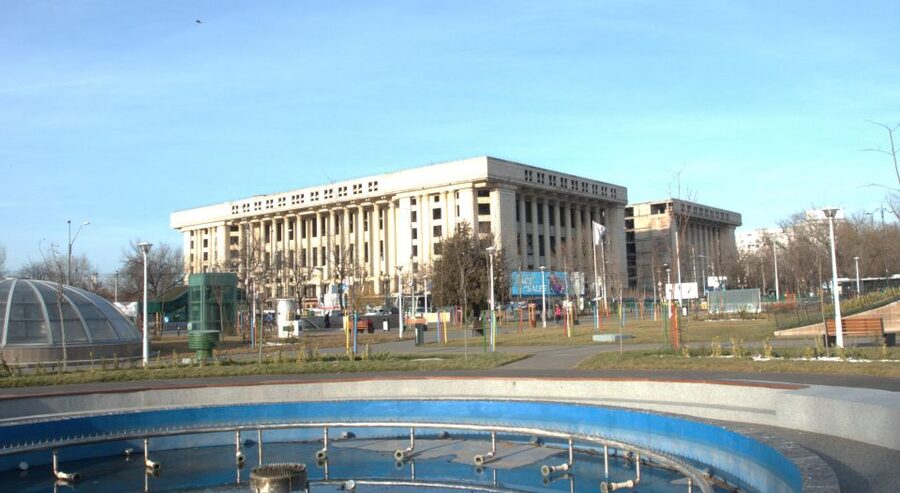
One thing I like about this kind of tour is the handoff. You are not meant to stop learning when you leave the guide.
Ask Razvan to point you toward self-exploration suggestions for the rest of your Bucharest time. Since the tour is customizable, you can usually steer those recommendations toward your interests, whether that is more architecture, more history sites, or easier walking routes.
A practical tip: take a few minutes at the end to write down the place names you heard most. University Square, Revolution Square, Piata Constituției, and the Parliament Palace area are the anchors. With those in mind, you will read the city much more confidently on your next walk.
Should you book this Communist scars walking tour?
I would book this if you want a focused Bucharest introduction to the Communist era that stays practical and place-based. It is a private, four-hour plan that hits key downtown areas, then adds the stronger visual punch of the unfinished museum ruins and ends in the 1980s administrative center zone.
The deciding factor for me is Razvan Trancu. The way he tailors the story to your interests, including connections tied to World War II, is exactly the kind of guidance that makes a history tour feel alive rather than scripted.
If you hate tight schedules, you might still like it if you go in with a flexible mindset and use the customization to slow down where you care most. Otherwise, four hours passes quickly, especially with walking plus a subway hop.
FAQ
How long is the Bucharest’s scars of Communism half-day private walking tour?
The tour lasts 4 hours.
What is the meeting point?
You meet at Starbucks University, main door.
How much does the tour cost and what is the group size?
It costs $165 per group, up to 7 people.
What languages is the live guide available in?
The live tour guide speaks Italian and English.
Which areas will we see during the tour?
You will visit University Square and Revolution Square, pass Sala Palatului, pass the Palace of the Parliament, pass Casa Radio, take a quick subway ride to the ruins of the unfinished Communist history museum, and finish at Piata Constituției.
What is included in the price?
Guiding services with a licensed local guide, public transportation tickets, and suggestions for time spending in Bucharest.
What is not included?
Snacks, souvenirs, and personal expenses are not included.
Is the tour wheelchair accessible?
Yes, it is listed as wheelchair accessible. For details and mobility, you should inquire.
Is free cancellation available?
Yes, you can cancel up to 24 hours in advance for a full refund.
Just Added: New Tours From Bucharest
- Bear Watching in Transylvania 2-Day Tour
- National Village Museum and Comana Adventure Park
- Half Day Tour in Bucharest
- From Dracula to Ceaușescu- Romanian Terror Stories tour
- Full-Day Private Tour of Brasov City and Peles Castle from Bucharest
- Bucharest: Tour The Wine Road, 2 Boutique Wineries in 1 Day
- Bucharest Ceaușescu House Parliament Palace &Village Museum
- Full-Day Private Tour of Bucharest and Mogosoaia Palace
Communist Bucharest Tours, compared.
Parliament, Ceausescu House & Village Museum Tour
Read our review →
Bucharest Essential Tour: Old Town, Calea Victoriei & Communism
Read our review →
Communism in Bucharest – Landmarks, Museum & Communist Appetizers
Read our review →
Browse the lists this tour appears in